
Springpad
The smart notebook that turned everything you saved into something useful, loved by five million people and unable to pay for itself
Springpad was a free personal organiser from Boston company Spring Partners, launched in 2008. You saved notes, recipes, products, films and places to My Stuff, and the service automatically recognised what each thing was and attached useful extras such as prices, showtimes and alerts. It had apps for iPhone, iPad and Android, a web clipper, and about five million registered users when it shut down on 25 June 2014.
Timeline [edit]
- 2008
-
2008
Launch
Springpad opens
A smart personal organiser in the browser.
- 2010
-
2010
Version
iPhone, iPad and Android apps
- 2013
-
2013
pivot
Redesign around public notebooks
- 2014
-
23 May 2014
Shutdown announced
A month of notice
Export tools and a migration path to Evernote.
-
25 June 2014
Shutdown
Springpad closes
How it looked [edit]

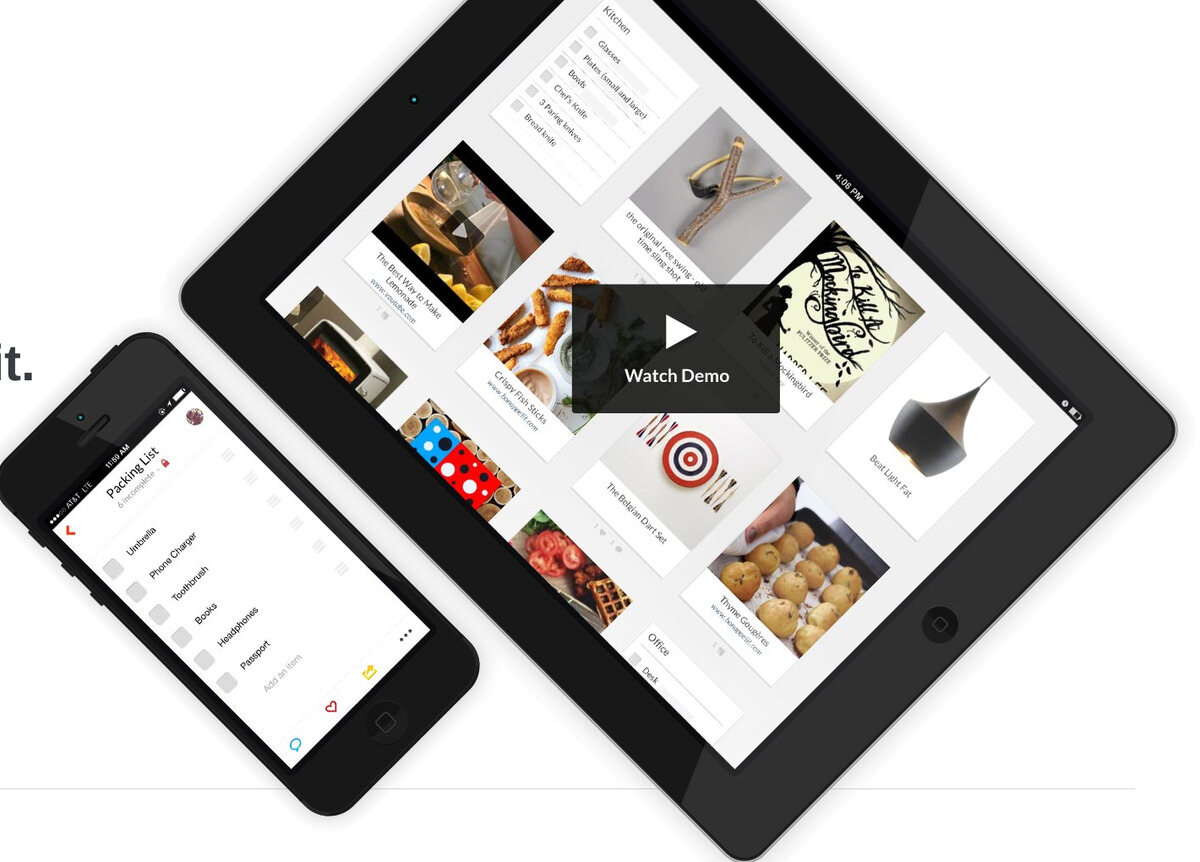
The site through time
Read the old front page here, in one piece, from our own capture: springpad.com, 1 March 2014 →
Browse springpad.com as it was, via the Internet Archive's Wayback Machine:
Ownership [edit]
Key figures [edit]
| Metric | Value | As of | Confidence |
|---|---|---|---|
| Registered accounts ▲ | 5 million | May 2014 | Reported Figure cited at shutdown |
Confirmed official figures · Reported media, cites a source · Estimated analyst or our estimate
Why it shut down [edit]
Official line: Spring Partners could not find a business model or a buyer for the service. Springpad announced on 23 May 2014 that it would close on 25 June 2014, and built an export to JSON and HTML plus a direct migration into Evernote before the lights went out.
Our analysis: Springpad did more with a saved item than any of its rivals: clip a recipe and it extracted the ingredients, scan a barcode and it fetched prices, save a film and it pulled showtimes. That intelligence was also the bill. Every enriched item cost server work and data licences, the service was free, and the plan to earn referral fees from the products people saved never produced real revenue. Evernote, its plainer competitor, sold subscriptions and lived. Springpad had five million registered users, a good product and no way to charge for it, and when the funding ran out it did the one thing a dying service should do: it helped everyone leave with their data.
History [edit]
A notebook that did the homework
Springpad came out of Spring Partners, founded by Jeff Janer and Jeff Chow. Where a note in Evernote stayed the text you typed, an item in Springpad was understood. Save a recipe from a website with the clipper and it extracted the ingredients into a shopping list. Scan a barcode with the phone app and it recognised the product and started watching the price. Save a film and it offered showtimes; a restaurant, the address and reviews; a wine, tasting notes. Items were sorted automatically into notebooks by type, synced between the web app, iPhone, iPad and Android, and could be shared publicly, which the company leaned into with a 2013 redesign around followable public notebooks.
Five million users, no invoice
Everything Springpad added to your items cost the company something: lookups, licensed data, servers. The product was free and the plan, referral revenue when a user bought a product Springpad was tracking, never covered the bills. Evernote charged its keenest users a subscription and grew past it. On 23 May 2014 the company announced it would close, saying it had failed to find a sustainable business or an acquirer; the team was widely reported to be joining Google. Users had a month to export their stuff as JSON and read-only HTML or to push it into Evernote with a one-click migration tool the two companies built together. The service went dark on 25 June 2014.
The domain today
springpad.com no longer serves the product. The public notebooks are gone; only the Wayback Machine remembers what a smart saved item looked like.
Similar projects
 Pocket
Eighteen years of saved-for-later, gone before you read it
2007–2025
Pocket
Eighteen years of saved-for-later, gone before you read it
2007–2025
 Google Sidewiki
A comment box Google bolted onto every website in the world, whether the owner wanted it or not
2009–2011
Google Sidewiki
A comment box Google bolted onto every website in the world, whether the owner wanted it or not
2009–2011
 Google Cloud Print
Print from anything to any printer over the internet: ten years in beta, then switched off at the end of 2020
2010–2020
Google Cloud Print
Print from anything to any printer over the internet: ten years in beta, then switched off at the end of 2020
2010–2020
 Hipmunk
The flight search that sorted by agony, bought by a corporate expense company and switched off while its founders were trying to buy it back
2010–2020
Hipmunk
The flight search that sorted by agony, bought by a corporate expense company and switched off while its founders were trying to buy it back
2010–2020
 MobileMe
The Apple service Steve Jobs apologised for
2008–2012
MobileMe
The Apple service Steve Jobs apologised for
2008–2012
 AOL Dial-Up
The modem noise stopped, AOL did not
1991–2025
AOL Dial-Up
The modem noise stopped, AOL did not
1991–2025
Sources [edit]
- Springpad Wikipedia 1 January 2024 [archived]
- This startup had over 5 million users and a great product. Then it folded Fast Company 1 July 2014 [archived]
- springpad.com in the Wayback Machine Internet Archive 1 June 2013
Last verified: 31 August 2026. Spotted an error? Suggest an edit (corrections with sources are reviewed and applied).