Juicero
The $400 Wi-Fi juicer that squeezed proprietary bags, and the bags you could squeeze by hand
Juicero was a San Francisco start-up founded in 2013 by Doug Evans that sold a $699 (later $399) Wi-Fi-connected cold-press juicer, launched on 31 March 2016, and the single-serve produce packs it squeezed. It raised about $120 million from Google Ventures, Kleiner Perkins and Campbell Soup. In April 2017 Bloomberg showed the packs could be squeezed by hand, and on 1 September 2017 the company suspended sales and offered refunds; it shut down that year.
Timeline [edit]
- 2013
-
2013
Launch
Juicero founded
Doug Evans, after Organic Avenue.
- 2016
-
31 March 2016
Launch
The Juicero Press goes on sale
$699 plus $5 to $8 produce packs by subscription.
-
November 2016
other
Jeff Dunn becomes chief executive
A former Coca-Cola North America president.
- 2017
-
17 January 2017
other
Price cut to $399
-
19 April 2017
Incident
Bloomberg squeezes the packs by hand
The video that defined the company.
-
20 April 2017
other
Refunds offered to all customers
30 days, no questions.
-
1 September 2017
Shutdown announced
Sales suspended, buyer sought
90 days of refunds for the Press.
-
December 2017
Shutdown
Wound down
No buyer for the technology.
How it looked [edit]
The site through time
Read the old front page here, in one piece, from our own capture: juicero.com, 3 June 2017 →
Browse juicero.com as it was, via the Internet Archive's Wayback Machine:
Ownership [edit]
Why it shut down [edit]
Official line: On 1 September 2017 Juicero announced it was suspending sales of the Press and its produce packs and would refund customers for the machine for 90 days while it looked for a buyer. It had raised about $120 million from Google Ventures, Kleiner Perkins and others, cut the price of the machine from $699 to $399 in January 2017, and then, in April 2017, been the subject of a Bloomberg story showing that its juice packs could be squeezed by hand about as fast as the machine did it. Sales never recovered.
Our analysis: Juicero was a subscription business disguised as an appliance: the machine was the razor and the $5 to $8 produce packs, each with a QR code that the Wi-Fi press checked against a database of expiry dates, were the blades. The engineering was serious, and pointless, because the packs were the product and the packs did not need the press. The company had raised too much money to run a small premium juice-delivery service and too little to become a food brand, and after the Bloomberg video there was no version of the story in which anyone bought a $400 press.
History [edit]
A press with a QR reader
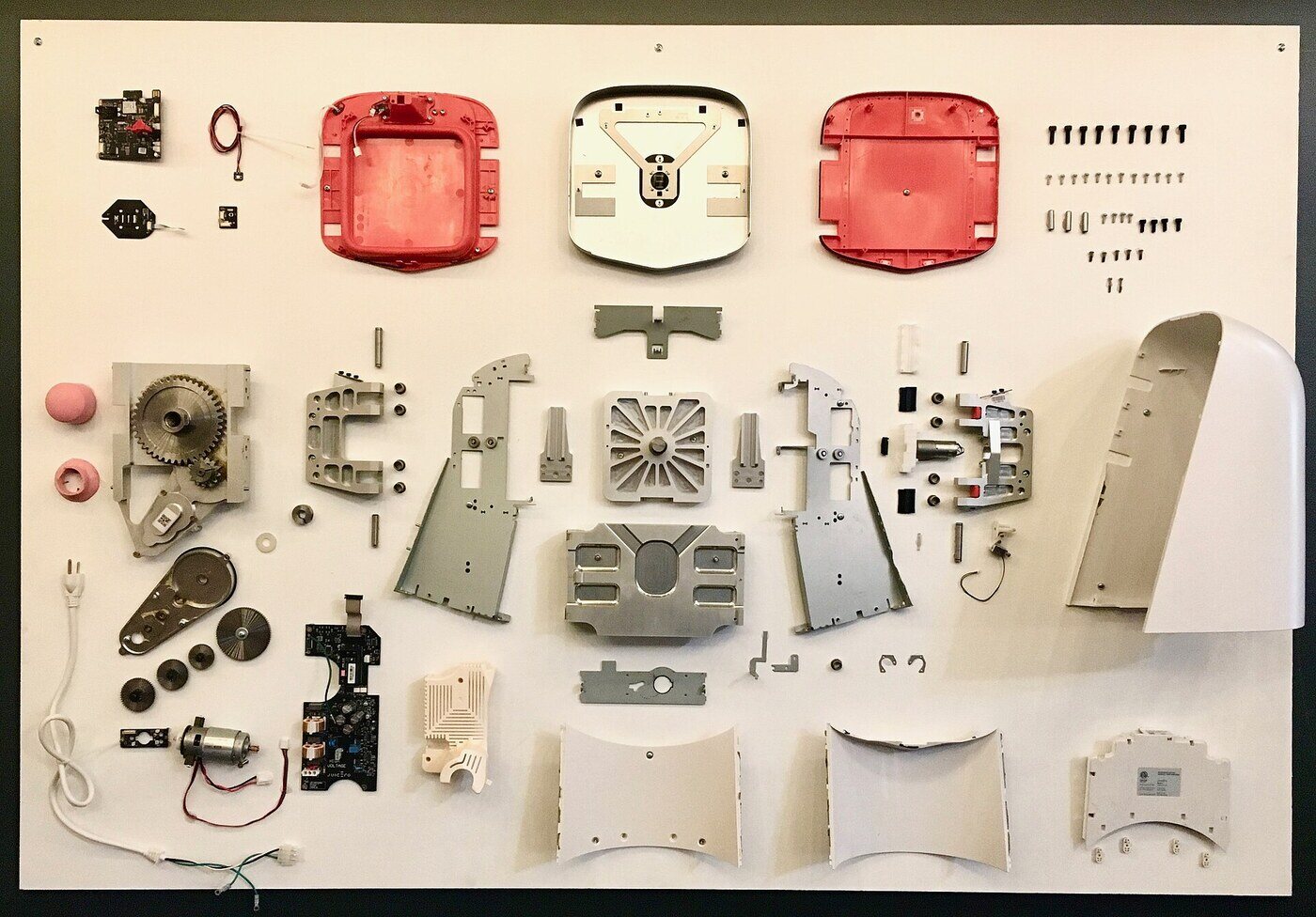
Doug Evans, who had co-founded the Organic Avenue juice chain, started Juicero in 2013 to bring cold-pressed juice into the kitchen without the cleaning. The idea was a machine that squeezed pre-cut produce sealed in a pouch: the Juicero Press, a 4-ton-force, Wi-Fi-connected, aluminium-and-steel appliance that read the QR code on each pack, checked it against the company's servers to confirm it had not expired, and pressed the juice into a glass in about two minutes. It launched on 31 March 2016 at $699 in California, later more of the US, with packs at $5 to $8 delivered weekly by subscription and unusable without the machine.
The money was real: about $120 million from Google Ventures, Kleiner Perkins, Campbell Soup and Thrive Capital, a factory, a large produce operation and, in the autumn of 2016, a new chief executive in Jeff Dunn, a former Coca-Cola North America president. In January 2017 the price of the Press was cut to $399 to widen the market, and members of the founding team started to leave.
The Bloomberg video
On 19 April 2017 Bloomberg published a story in which two of its reporters squeezed a Juicero pack by hand and got nearly as much juice, nearly as fast, as the $400 machine; the video went everywhere. Dunn responded that the point of the Press was consistency and the freshness check, and offered every customer a full refund for 30 days. Ars Technica's teardown found a beautifully over-engineered device; a patent suit against a rival did not help the mood. Sales collapsed.
On 1 September 2017 Juicero said it was suspending sales of the Press and the packs immediately, would refund machine purchases for 90 days, and was seeking a buyer for its technology and its packs. None came; the company wound down over the following months. It remains the reference case for a Silicon Valley hardware start-up solving a problem that its own product proved did not exist.
The domain today
juicero.com does not resolve.
Similar projects
 Pebble
The smartwatch Kickstarter built, and Fitbit buried
2013–2018
Pebble
The smartwatch Kickstarter built, and Fitbit buried
2013–2018
 iPod
1,000 songs in your pocket
2001–2022
iPod
1,000 songs in your pocket
2001–2022
 Zune
Microsoft's answer to the iPod, five years late
2006–2015
Zune
Microsoft's answer to the iPod, five years late
2006–2015
 Humane AI Pin
The $699 phone killer that HP switched off ten months in
2024–2025
Humane AI Pin
The $699 phone killer that HP switched off ten months in
2024–2025
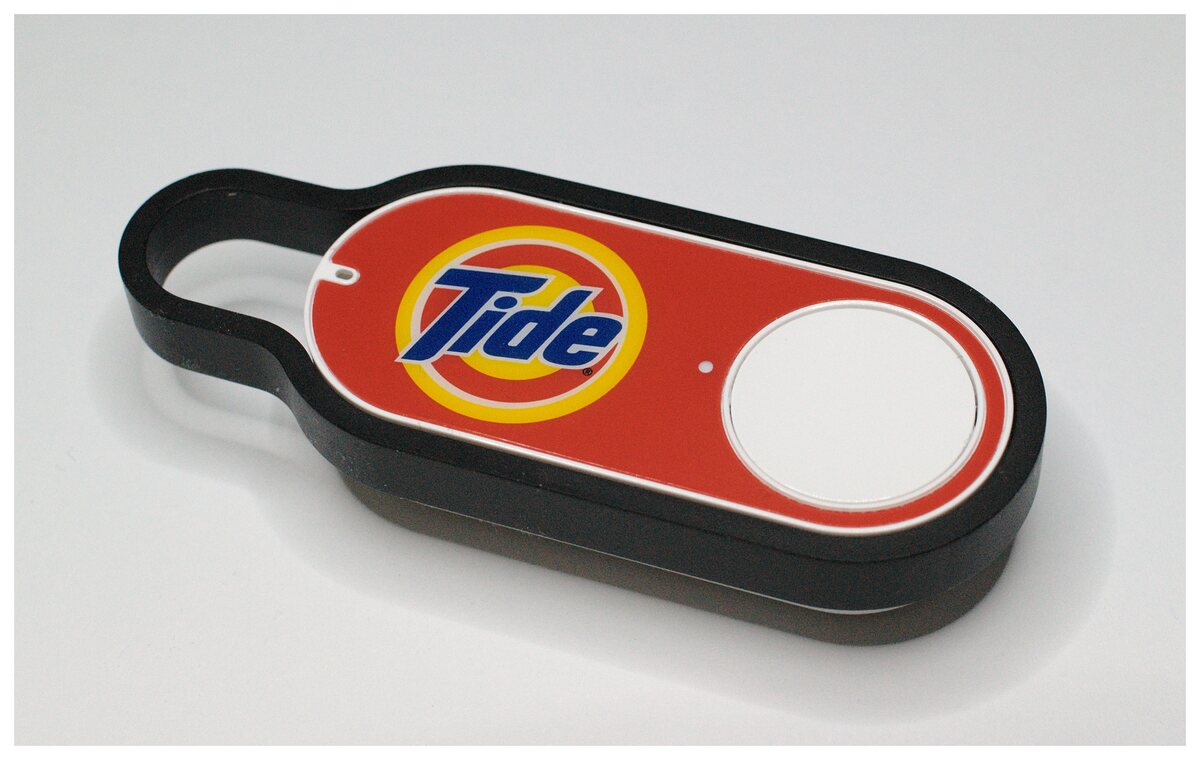 Amazon Dash Button
A $4.99 button that ordered detergent, launched on the eve of April Fools' Day
2015–2019
Amazon Dash Button
A $4.99 button that ordered detergent, launched on the eve of April Fools' Day
2015–2019
 Project Ara
Google's modular phone, demoed for three years and never sold
2013–2016
Project Ara
Google's modular phone, demoed for three years and never sold
2013–2016
Sources [edit]
- Juicero cuts the price of its juicer Fortune 17 January 2017
- Juicero loses another member of its founding team TechCrunch 24 January 2017
- Silicon Valley's $400 juicer may be feeling the squeeze Bloomberg 19 April 2017
- Juicero offering refunds to all customers after people realize $400 juicer is totally unnecessary The Verge 20 April 2017
- Juicero: the $400 juicer that has been squeezed BBC News 21 April 2017
- Juicero teardown hints at a very expensively built product Ars Technica 25 April 2017 [archived]
- Juice wars: Juicero has sued another juicer maker for patent infringement Ars Technica 27 April 2017
- RIP Juicero, the $400 venture-backed juice machine TechCrunch 1 September 2017
- Squeezed out: widely mocked startup Juicero is shutting down The Guardian 1 September 2017
Last verified: 16 August 2026. Spotted an error? Suggest an edit (corrections with sources are reviewed and applied).