
Project Ara
Google's modular phone, demoed for three years and never sold
Project Ara was Google's modular smartphone: an endoskeleton frame into which users would slot their own screen, processor, camera, battery and speaker modules, announced by Motorola on 29 October 2013 and carried on by Google's ATAP group after Motorola was sold. It was demoed at conferences for three years, missed a 2015 pilot launch in Puerto Rico, was redesigned in 2016 with fewer swappable parts, and was cancelled on 2 September 2016 before a single unit was sold.
Timeline [edit]
- 2013
-
10 September 2013
Feature
Phonebloks
Dave Hakkens' concept video for a block-built phone goes viral.
-
29 October 2013
Launch
Motorola announces Project Ara
A modular phone platform, in collaboration with Phonebloks.
- 2014
-
29 January 2014
other
Google keeps ATAP
Motorola goes to Lenovo; Ara stays at Google.
-
15 April 2014
Feature
First developer conference
The endoskeleton, the modules and a $50 starter kit are shown.
- 2015
-
17 August 2015
Decline
Puerto Rico pilot delayed
The magnetic connectors fail drop tests; the launch slips to 2016.
- 2016
-
20 May 2016
Version
The redesign at Google I/O
Processor, screen and battery become fixed; only extras are modular.
-
2 September 2016
Shutdown
Google suspends Project Ara
Hardware is consolidated under Rick Osterloh; the Pixel follows a month later.
How it looked [edit]
The site through time
Browse atap.google.com as it was, via the Internet Archive's Wayback Machine:
Ownership [edit]
Why it shut down [edit]
Official line: Google confirmed on 2 September 2016 that it had suspended Project Ara as part of a decision to consolidate its hardware efforts under a single group that would go on to make the Pixel; the developer edition promised for that autumn never shipped. Ara had missed its 2015 Puerto Rico pilot after the connectors failed drop tests, and its 2016 redesign had already given up the swappable processor and screen that were the original point.
Our analysis: A phone built from snap-in blocks is an idea people love and physics does not: every connector costs space, power and reliability, and by the time Ara had solved enough of that to ship, the modules it could still swap were cameras and speakers, which is an accessory system, not a phone you upgrade for years. Google's new hardware chief wanted one flagship, not a science project, and the science project went.
History [edit]
Phonebloks meets Motorola
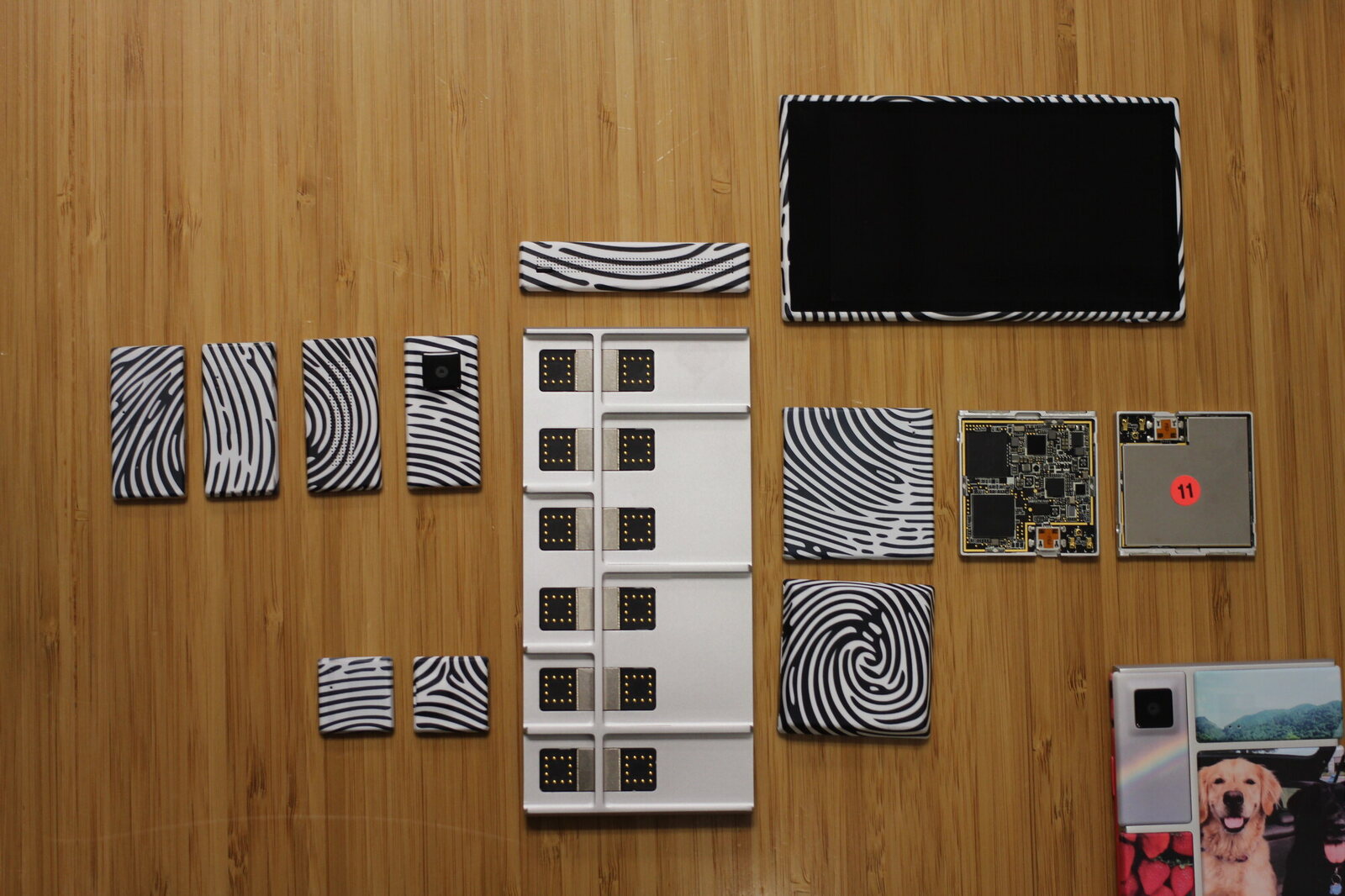
In September 2013 a Dutch designer, Dave Hakkens, posted a video called Phonebloks proposing a phone made of snap-together blocks, and it went viral. On 29 October Motorola Mobility, then owned by Google, announced it had been working on the same idea for a year as Project Ara and would collaborate with Hakkens. The pitch was a phone that lasted: an aluminium "endoskeleton" frame with slots, and modules, a screen, a processor, a camera, a battery, a speaker, a blood-sugar sensor, whatever anyone wanted to make, held in by electropermanent magnets and swappable in seconds. Google sold Motorola to Lenovo in January 2014 but kept the Advanced Technology and Projects group, led by Regina Dugan with Paul Eremenko running Ara.
Demos
Ara was shown at a developer conference in April 2014, booted (slowly) on stage at Google I/O that June, and promised as a $50 "grey phone" starter kit with a market pilot in Puerto Rico in 2015. The pilot never happened: in August 2015 the team said it was delayed to 2016, and admitted the magnetic connectors had failed drop tests. Eremenko left for Airbus.
At Google I/O in May 2016 Ara reappeared, redesigned. The frame now had the processor, screen, battery and antennas built in, and the six slots were for extras, cameras, speakers, displays, sensors, with a developer edition due that autumn and consumers in 2017. It was a more shippable phone and a much less interesting one; the upgradeable core that had made the idea famous was gone.
Suspended
On 1 September 2016 Reuters reported that Google had shelved Ara, and the next day Google confirmed the project was suspended. Rick Osterloh, hired that spring to unify Google's hardware, was consolidating everything into one group, and its first product, the Pixel, arrived a month later as a conventional slab. Google said it might license the technology to partners; nothing came of it. Motorola's Moto Mods and a handful of Fairphone-style repairable designs are the closest anything has come since.
The domain today
atap.google.com belongs to Google's ATAP group and no longer mentions Ara.
Similar projects
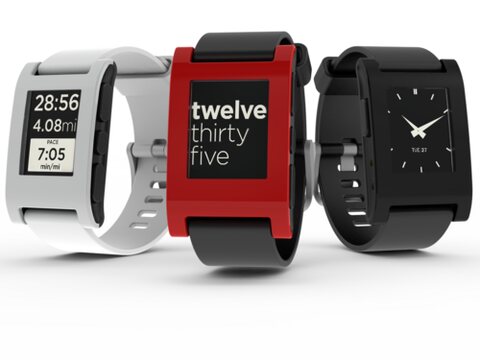 Pebble
The smartwatch Kickstarter built, and Fitbit buried
2013–2018
Pebble
The smartwatch Kickstarter built, and Fitbit buried
2013–2018
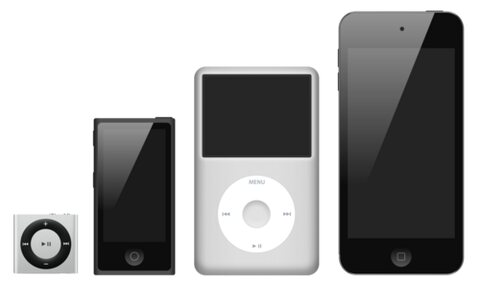 iPod
1,000 songs in your pocket
2001–2022
iPod
1,000 songs in your pocket
2001–2022
 Zune
Microsoft's answer to the iPod, five years late
2006–2015
Zune
Microsoft's answer to the iPod, five years late
2006–2015
 Humane AI Pin
The $699 phone killer that HP switched off ten months in
2024–2025
Humane AI Pin
The $699 phone killer that HP switched off ten months in
2024–2025
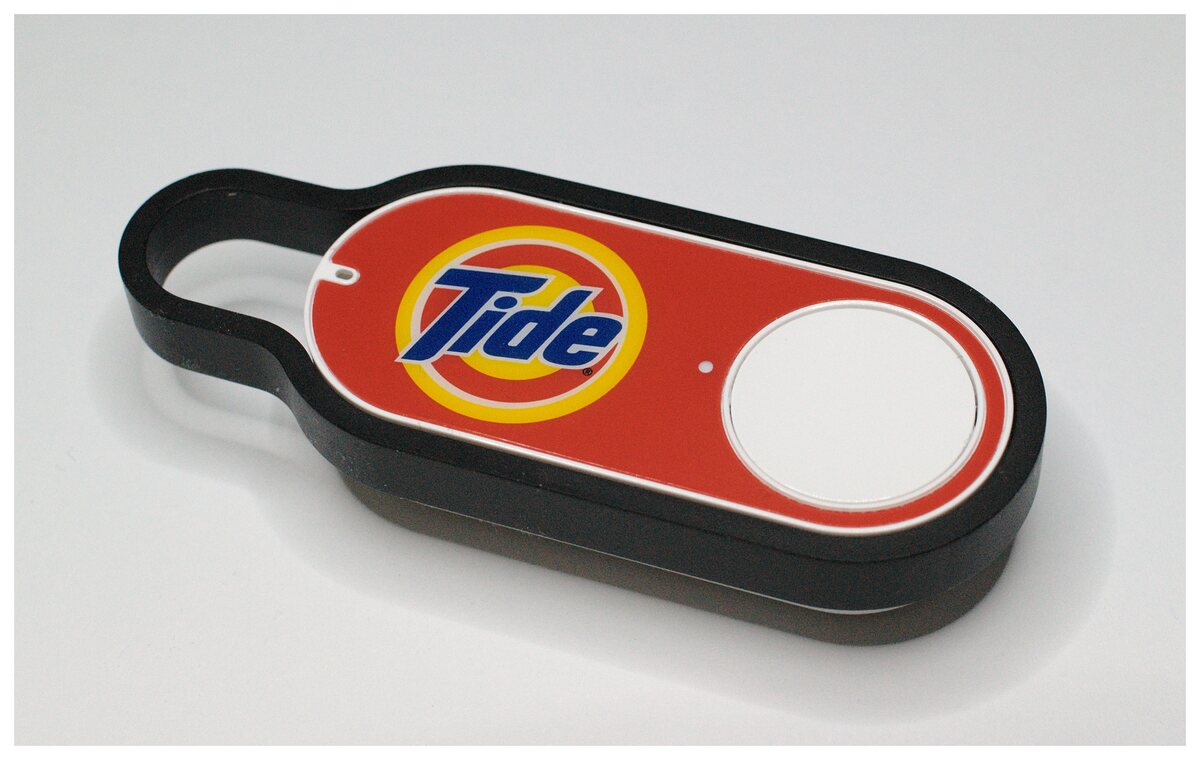 Amazon Dash Button
A $4.99 button that ordered detergent, launched on the eve of April Fools' Day
2015–2019
Amazon Dash Button
A $4.99 button that ordered detergent, launched on the eve of April Fools' Day
2015–2019
 Chromecast
The $35 dongle that sold over 100 million, retired for a box
2013–2024
Chromecast
The $35 dongle that sold over 100 million, retired for a box
2013–2024
Sources [edit]
- Motorola reveals ambitious plan to build modular smartphones The Verge 29 October 2013 [archived]
- Building blocks: how Project Ara is reinventing the smartphone The Verge 15 April 2014 [archived]
- Project Ara lives: Google's modular phone is ready for you now Wired 20 May 2016 [archived]
- Google confirms the end of its modular Project Ara smartphone The Verge 2 September 2016 [archived]
Last verified: 15 August 2026. Spotted an error? Suggest an edit (corrections with sources are reviewed and applied).