
Kinect
"You are the controller": the fastest-selling gadget of 2010, unplugged by 2017
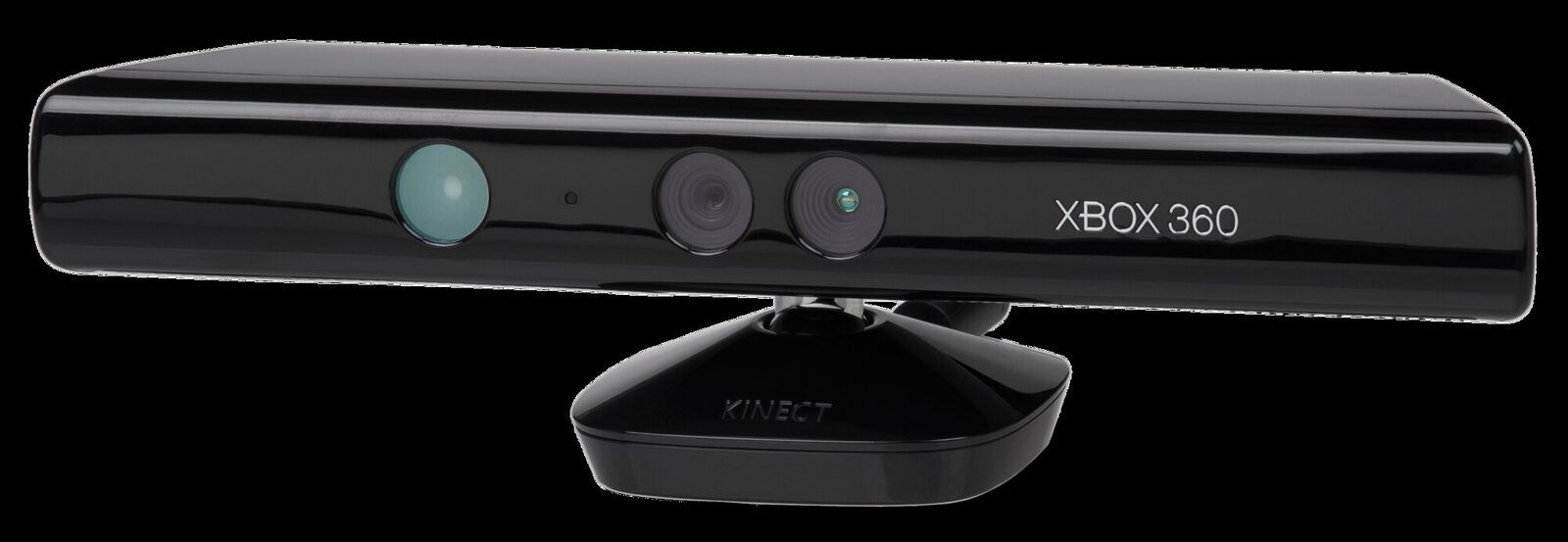
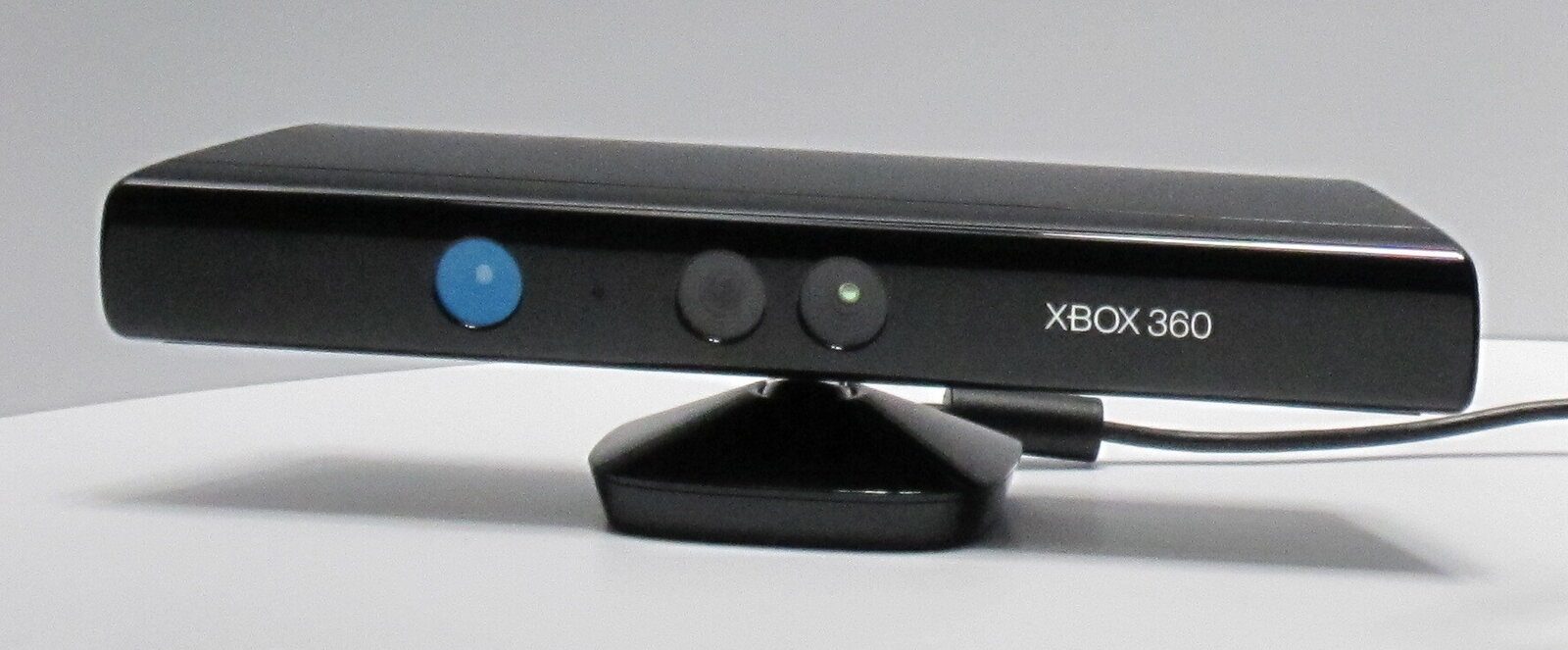
Kinect was Microsoft's motion-sensing camera for the Xbox 360, launched on 4 November 2010 with the slogan "you are the controller". It sold eight million units in its first sixty days, a Guinness record, was hacked into robotics and art within a week, and reached about 35 million units across two generations. Bundled with the Xbox One in 2013 and unbundled in 2014, it lost its developers and Microsoft ended production on 25 October 2017.
Timeline [edit]
- 2009
-
1 June 2009
Feature
Project Natal is unveiled at E3
Steven Spielberg on stage; a camera that watches the whole room.
- 2010
-
4 November 2010
Launch
Kinect launches
$149.99 for the Xbox 360. "You are the controller."
-
10 November 2010
other
Hacked within a week
Open-source drivers turn it into a robotics and art tool.
- 2011
-
5 January 2011
Peak
Eight million in sixty days
Guinness certifies the fastest-selling consumer device ever.
- 2012
-
1 February 2012
Feature
Kinect for Windows
An official SDK and a version for PCs.
- 2013
-
22 November 2013
Version
Kinect for Xbox One
A better sensor, in every box, at a $100 premium.
- 2014
-
9 June 2014
Decline
Unbundled from the Xbox One
The $399 console ships without it; developers stop building for it.
- 2017
-
25 October 2017
Shutdown
Production ends
Around 35 million sold across two generations.
How it looked [edit]
The site through time
Browse xbox.com as it was, via the Internet Archive's Wayback Machine:
Ownership [edit]
Why it shut down [edit]
Official line: After Microsoft unbundled Kinect from the Xbox One in June 2014 to cut the console's price, developers stopped building for it and the sensor faded to a niche. Microsoft confirmed on 25 October 2017 that manufacturing had ended, at about 35 million units sold across both generations; the Xbox One adapter was discontinued a few months later. The Azure Kinect developer kit that reused the technology was itself discontinued in 2023.
Our analysis: Kinect was a genuine technical marvel that Microsoft first sold as a party toy and then forced on everyone: bundling it with the Xbox One made the console $100 dearer than the PlayStation 4, and the privacy row over an always-listening camera did the rest. Once it was optional, no developer could count on it, and a controller nobody targets is not a controller. The depth-camera technology outlived the product in robotics labs and, eventually, in HoloLens.
History [edit]
Project Natal
Microsoft unveiled "Project Natal" at E3 in June 2009 with Steven Spielberg on stage: a camera bar that watched the whole living room, tracked skeletons in 3D and heard voices, so that a game could be played with nothing in your hands. The depth camera came from PrimeSense in Israel, and Microsoft spent the year turning it into a $149.99 accessory for the Xbox 360, renamed Kinect. It launched on 4 November 2010 with Kinect Adventures in the box and Dance Central as its killer app.
It sold eight million units in its first sixty days, which Guinness certified as the fastest-selling consumer electronics device ever, and ten million by March 2011. Within a week of launch hobbyists had reverse-engineered its USB output and were using it to drive robots, 3D scanners and art installations; Microsoft, after some hesitation, released an official SDK and a Kinect for Windows version in 2012. It became a standard component in university robotics labs.
The Xbox One problem
For the Xbox One, launched in November 2013, Microsoft built a better Kinect and put one in every box, which pushed the console's price to $499 against $399 for the PlayStation 4. It also spent the summer of 2013 defending a camera that was always on and could log in by face, in the months after the Snowden disclosures. Sony outsold Microsoft, and on 13 May 2014 Microsoft announced a Kinect-free Xbox One at $399, available from 9 June.
Unbundling ended Kinect as a games platform. Developers who could no longer assume every player had one stopped building for it, Microsoft's own studios followed, and by 2016 new games ignored it. The Xbox One S and X dropped the dedicated port. Kinect for Windows was discontinued in April 2015.
The end
On 25 October 2017 Microsoft confirmed to Fast Co. Design that Kinect production had ended, with around 35 million units sold across the two generations. The Xbox One adapter that let it connect to newer consoles was discontinued in January 2018. The technology moved into HoloLens and, in 2019, an Azure Kinect developer kit for computer vision, which was itself discontinued in October 2023.
The domain today
xbox.com is Microsoft's and sells no Kinect; the accessory pages are gone and support articles are all that remain.
Similar projects
 Pebble
The smartwatch Kickstarter built, and Fitbit buried
2013–2018
Pebble
The smartwatch Kickstarter built, and Fitbit buried
2013–2018
 iPod
1,000 songs in your pocket
2001–2022
iPod
1,000 songs in your pocket
2001–2022
 Zune
Microsoft's answer to the iPod, five years late
2006–2015
Zune
Microsoft's answer to the iPod, five years late
2006–2015
 Humane AI Pin
The $699 phone killer that HP switched off ten months in
2024–2025
Humane AI Pin
The $699 phone killer that HP switched off ten months in
2024–2025
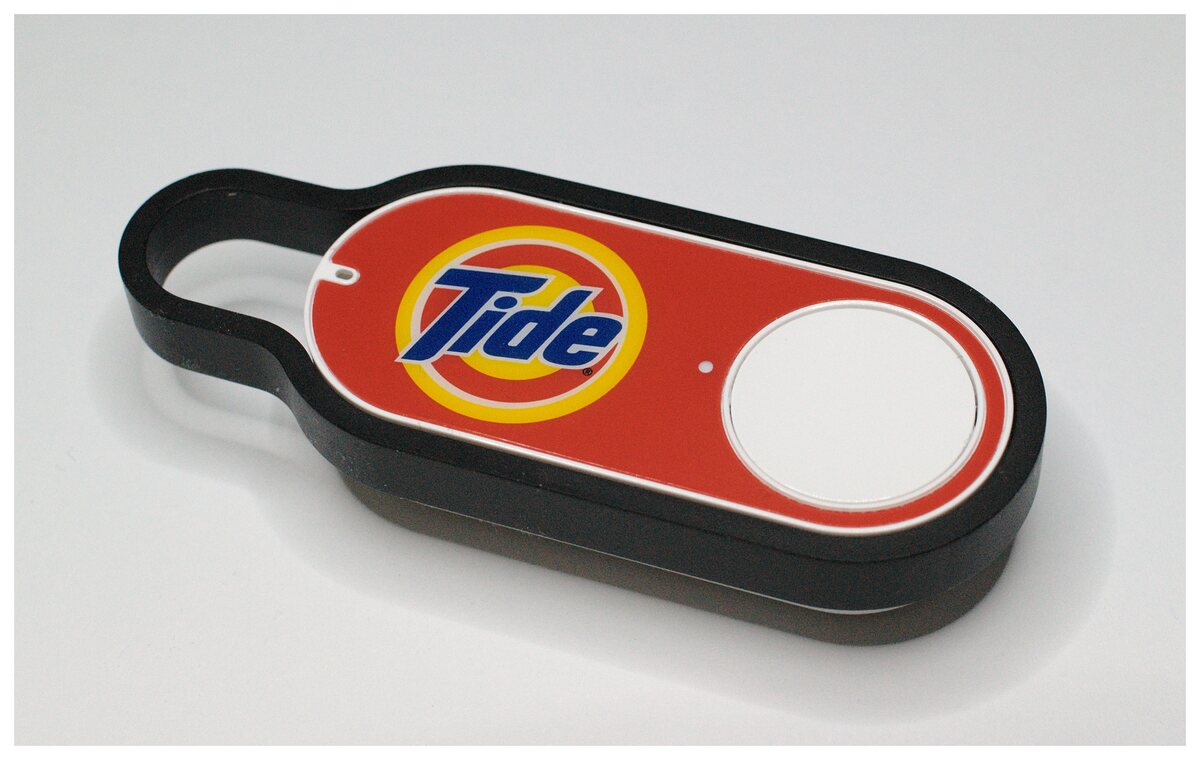 Amazon Dash Button
A $4.99 button that ordered detergent, launched on the eve of April Fools' Day
2015–2019
Amazon Dash Button
A $4.99 button that ordered detergent, launched on the eve of April Fools' Day
2015–2019
 Project Ara
Google's modular phone, demoed for three years and never sold
2013–2016
Project Ara
Google's modular phone, demoed for three years and never sold
2013–2016
Sources [edit]
- Kinect for Xbox 360 review Engadget 4 November 2010 [archived]
- Microsoft sells 10 million Kinects Engadget 9 March 2011 [archived]
- Microsoft Confirms That The Xbox One Will Come With An Incredibly Sensitive New Kinect TechCrunch 21 May 2013
- Kinect officially dead Eurogamer 25 October 2017 [archived]
- Microsoft has finally killed the Kinect Xbox sensor Fortune 25 October 2017 [archived]
Last verified: 15 August 2026. Spotted an error? Suggest an edit (corrections with sources are reviewed and applied).