Nextbit Robin
The cloud-first Android phone from Kickstarter, bought by Razer and cut off from its cloud a year later
The Nextbit Robin was an Android smartphone from Nextbit, a San Francisco start-up founded by former Android engineers Tom Moss and Mike Chan. Announced on Kickstarter on 1 September 2015, where it raised $1.36 million, and shipped in February 2016 at $399, it had a distinctive boxy design and Smart Storage, which offloaded apps and photos to 100 GB of cloud. Razer acquired Nextbit on 30 January 2017 and shut Smart Storage down on 1 March 2018.
Timeline [edit]
- 2014
-
14 January 2014
Funding
Nextbit raises $18 million
Accel and Google Ventures back the ex-Android team.
- 2015
-
1 September 2015
Launch
Robin revealed on Kickstarter
A cloud-first phone with 100 GB of Smart Storage.
-
16 September 2015
Funding
$1 million in two weeks
The campaign closes at $1.36 million.
- 2016
-
16 February 2016
Launch
Robin ships
$399, mint or midnight.
- 2017
-
30 January 2017
Acquisition
Razer acquires Nextbit
Sales stop; six months of support promised.
-
August 2017
Decline
Phone support ends
Social channels close in November.
- 2018
-
9 January 2018
Shutdown announced
Smart Storage to close 1 March 2018
Owners told to restore archived files.
-
1 March 2018
Shutdown
Smart Storage shut down
The Robin becomes a 32 GB phone with no cloud.
How it looked [edit]
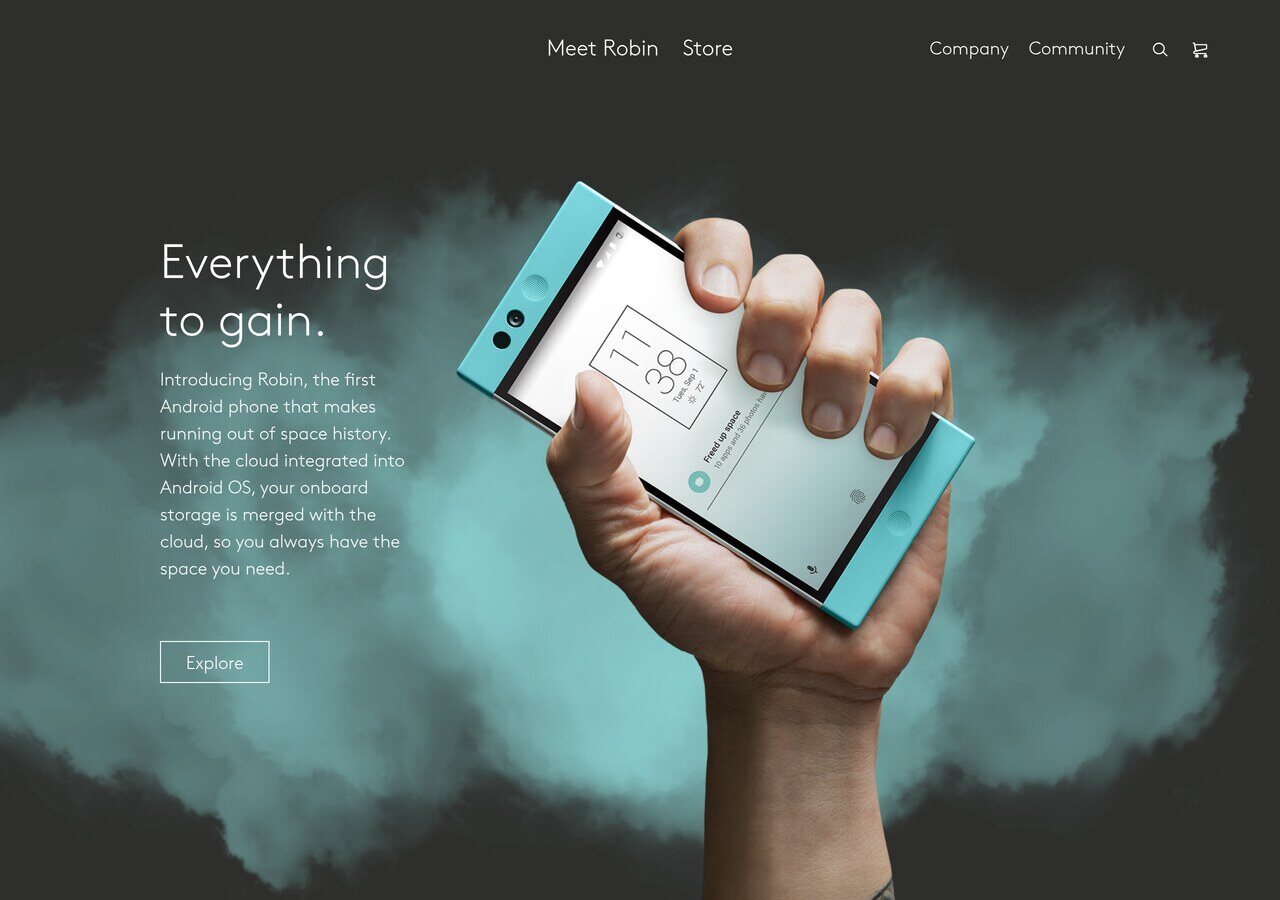
The site through time
Browse nextbit.com as it was, via the Internet Archive's Wayback Machine:
Ownership [edit]
Why it shut down [edit]
Official line: Razer bought Nextbit on 30 January 2017 and stopped selling the Robin, promising six more months of support. Phone support ended in August 2017 and the social channels closed in November; on 9 January 2018 Nextbit told owners that Smart Storage, the cloud service that was the phone's reason to exist, would shut down on 1 March 2018, with archived files retrievable until 1 April. The Robin kept working as an ordinary Android phone with 32 GB and no cloud.
Our analysis: The Robin was a good idea sold to the wrong number of people. Its pitch, a phone that quietly moved unused apps and photos to 100 GB of cloud and brought them back on demand, needed a company that could keep paying for the cloud, and a Kickstarter phone maker with one model could not do that for long. Razer bought the team, not the phone, and used them to build the Razer Phone. What killed the Robin was that its best feature lived on someone else's server.
History [edit]
A phone that never ran out of space
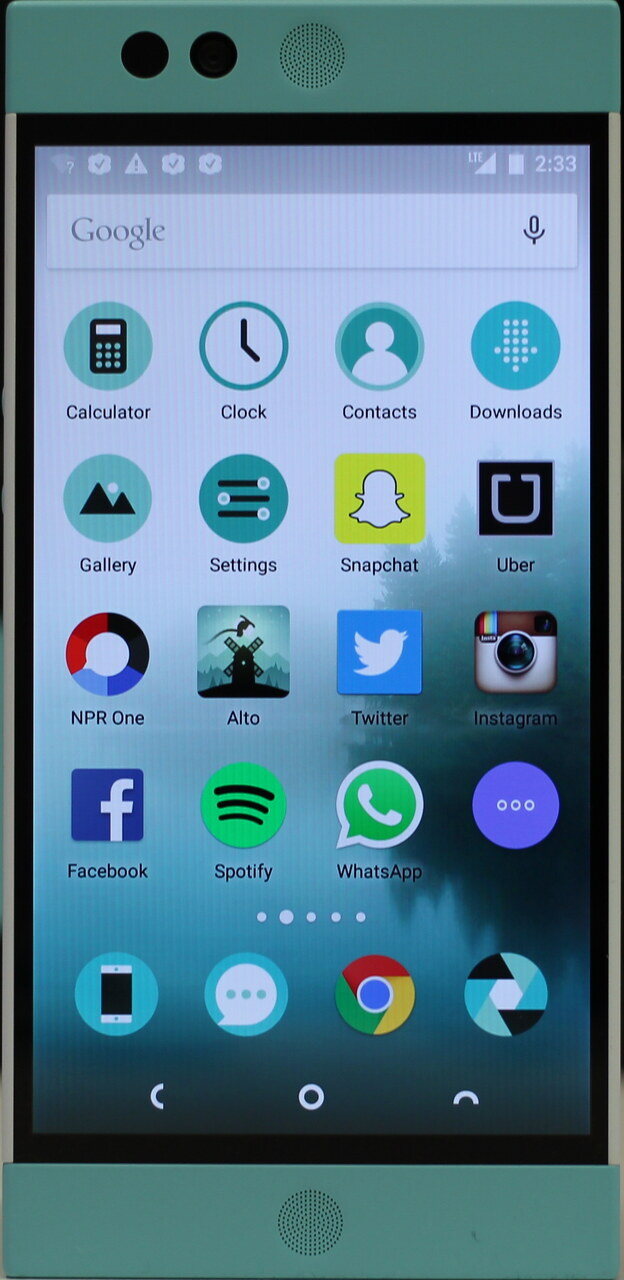
Nextbit came out of stealth in January 2014 with $18 million from Accel and Google Ventures and a team led by Tom Moss and Mike Chan, both from the original Android group at Google, plus Scott Croyle, who had designed the HTC One. Its first product, revealed on Kickstarter on 1 September 2015, was the Robin: a flat-sided, two-tone phone in mint or midnight, 5.2-inch 1080p screen, Snapdragon 808, 3 GB of RAM, 32 GB of storage and, the point of it, 100 GB of Smart Storage in the cloud. The phone watched which apps and photos you did not use and archived them, greying out their icons; tap one and it came back. Four LEDs on the back blinked while it synced.
The Kickstarter passed $1 million in two weeks and closed at $1.36 million from about 3,600 backers. Preorders opened at $399 in October 2015 and the phone shipped in February 2016, with an unlocked Verizon-compatible model, an ember red edition and, unusually for a start-up, an unlocked bootloader and quick Android updates. Reviews liked the design and the price and were unsure whether anyone needed the cloud trick.
Razer, and the end of the cloud
On 30 January 2017 Razer, the gaming hardware company, acquired Nextbit. It said the team would keep working, that Robin sales would stop immediately and that support and updates would continue for six months. Razer's real interest was the people: the Nextbit team built the Razer Phone, released in November 2017. Phone support for the Robin ended in August 2017 and its Twitter, Facebook and Reddit channels went quiet in November.
On 9 January 2018 Nextbit posted that Smart Storage would shut down on 1 March 2018 and told owners to restore anything archived before then; files remained downloadable until 1 April, then were deleted. Without the cloud the Robin was a competent 2016 phone with 32 GB, and its enthusiast owners moved on to LineageOS.
The domain today
nextbit.com does not resolve.
Similar projects
 Apple Newton
The handheld that was right, ten years early
1993–1998
Apple Newton
The handheld that was right, ten years early
1993–1998
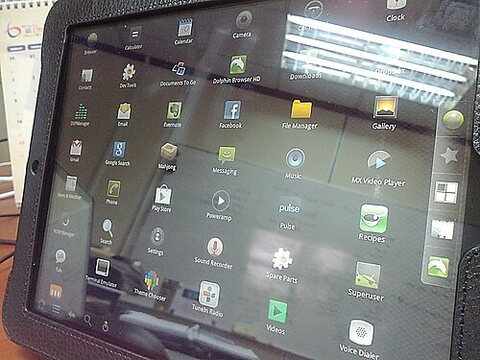 HP TouchPad
Killed 49 days after launch
2011–2011
HP TouchPad
Killed 49 days after launch
2011–2011
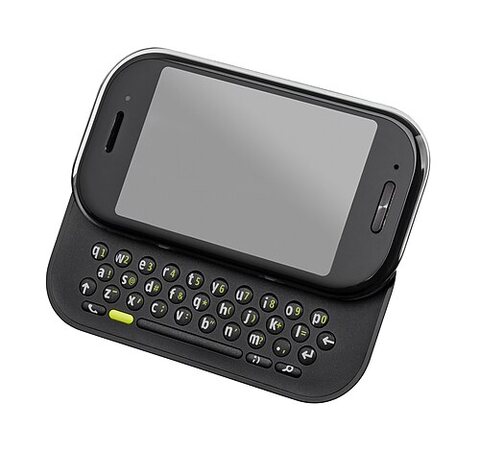 Microsoft Kin
Dead in 48 days
2010–2011
Microsoft Kin
Dead in 48 days
2010–2011
 Amazon Fire Phone
Amazon's 3D phone, $199 in July, 99 cents by September, $170 million written off by October
2014–2015
Amazon Fire Phone
Amazon's 3D phone, $199 in July, 99 cents by September, $170 million written off by October
2014–2015
 Google Nexus
Android the way Google meant it, until Google wanted the whole phone
2010–2016
Google Nexus
Android the way Google meant it, until Google wanted the whole phone
2010–2016
 Nokia Lumia
Nokia's bright Windows Phones, and the bet that took the company down with them
2011–2017
Nokia Lumia
Nokia's bright Windows Phones, and the bet that took the company down with them
2011–2017
Sources [edit]
- Early Android veterans raise $18M from Accel, Google Ventures for stealth company Nextbit TechCrunch 14 January 2014 [archived]
- Nextbit reveals Robin, a smartphone that's nestled in the cloud Engadget 1 September 2015 [archived]
- Nextbit's Robin passes $1 million in funding in just 2 weeks 9to5Google 16 September 2015 [archived]
- Nextbit's Robin smartphone is available for preorder starting at $399 The Verge 21 October 2015 [archived]
- Nextbit Robin review: not quite ready to leave the nest CNET 18 February 2016
- Nextbit Robin, the cloud-based smartphone, is now available in ember red Digital Trends 28 July 2016 [archived]
- Razer acquires Nextbit, the startup behind the Robin smartphone TechCrunch 30 January 2017 [archived]
- Nextbit is shutting down its Smart Storage cloud service for the Robin phone The Verge 9 January 2018 [archived]
Last verified: 16 August 2026. Spotted an error? Suggest an edit (corrections with sources are reviewed and applied).