
Google Nexus
Android the way Google meant it, until Google wanted the whole phone
The Nexus line was Google's own Android hardware from 2010 to 2016: phones and tablets built with partners, running clean Android, updated first, and usually priced against the market. The Nexus 7 made small tablets cheap and the Nexus 5 was the enthusiast default. On 4 October 2016 Google announced the Pixel, and the Nexus name was retired.
Timeline [edit]
- 2010
-
5 January 2010
Launch
The Nexus One
Built by HTC, sold unlocked and directly by Google.
- 2012
-
27 June 2012
Version
The Nexus 7
A $199 tablet that briefly made Android tablets a real market.
- 2013
-
31 October 2013
Version
The Nexus 5
$349 unlocked. The enthusiast default for years.
- 2015
-
29 September 2015
Version
The Nexus 5X and 6P
The most polished devices of the line, and the last.
- 2016
-
4 October 2016
Shutdown
The Pixel replaces it
Google keeps the idea, takes the brand and the margin in-house.
How it looked [edit]
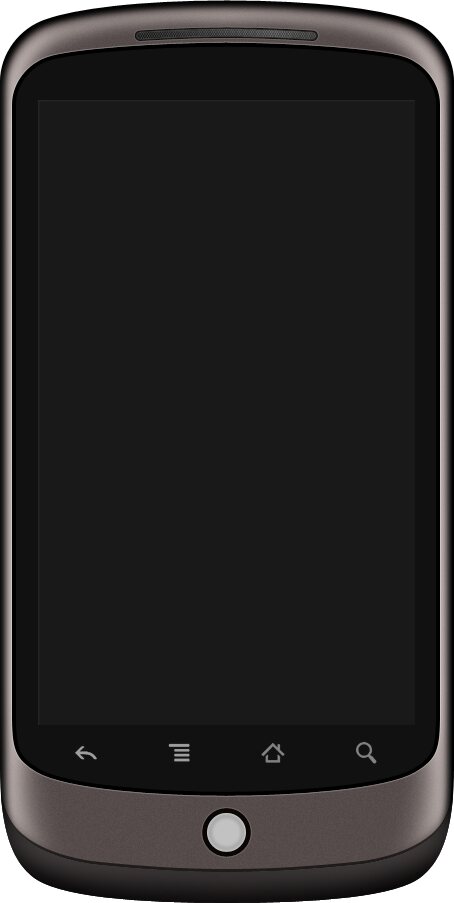
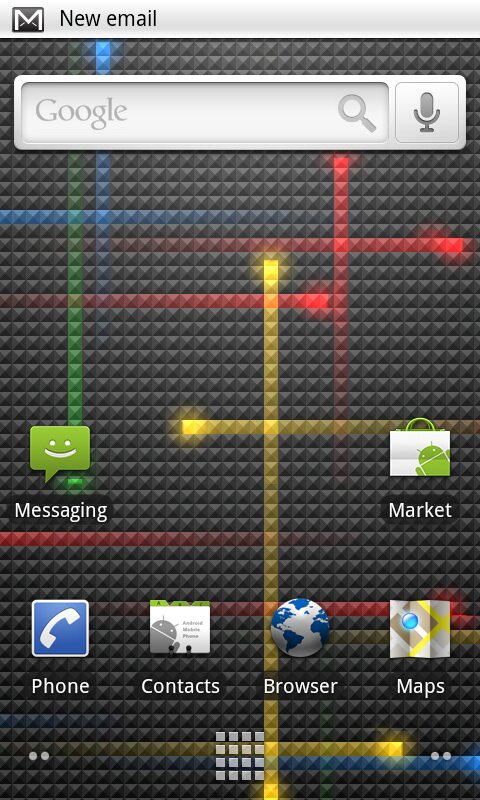
The site through time
Browse google.com as it was, via the Internet Archive's Wayback Machine:
Ownership [edit]
Why it shut down [edit]
Official line: Google ended the Nexus line on 4 October 2016, the day it announced the Pixel. Nexus devices were co-branded with partners like HTC, LG and Huawei and sold near cost as reference hardware; with the Pixel, Google took the whole product, the brand and the margin for itself.
Our analysis: Nexus was never really a consumer business. It existed to show manufacturers what Android should feel like, to give developers clean hardware, and to keep partners honest. Once Google decided it needed to compete with the iPhone directly rather than through partners, a co-branded reference line at thin margins was the wrong tool, and the Pixel replaced it.
History [edit]
Reference hardware
The Nexus One arrived on 5 January 2010, built by HTC, sold unlocked and directly by Google, which was itself the radical part: in the America of 2010 phones came from carrier shops with two-year contracts. It sold modestly, and the web store closed within months, but the pattern was set. Each year Google would pick a partner, build one device that ran Android exactly as designed, with no manufacturer skins or carrier apps, and push updates to it the day they were ready.
Samsung built the next two. Then the line found its footing with LG: the Nexus 4 undercut flagship prices, and the Nexus 5 of 2013, at $349 unlocked, became the default recommendation for anyone who cared about Android itself. The Asus-built Nexus 7 tablet of 2012 did the same for tablets at $199, and for a while it was the only Android tablet worth arguing about.
The pricing was the tell. Nexus devices were sold near cost because they were not the business. They were the demonstration: this is what Android is supposed to feel like, this is how fast updates are supposed to arrive. Developers targeted them, custom ROM builders started from them, and reviewers used them as the baseline against every Samsung skin.
The last two
The 2015 pair, the LG Nexus 5X and Huawei Nexus 6P, were the most conventional phones the line ever produced, fingerprint readers and metal bodies and all. They were also the end. On 4 October 2016 Google announced the Pixel, "made by Google", with exclusive software features, premium pricing and a marketing budget the Nexus line never had.
Nothing about the Pixel would have surprised a Nexus owner except the price. The difference was strategic: Nexus phones were built to improve other companies' Android phones, and the Pixel was built to beat them. Google kept shipping updates to the 5X and 6P into 2018, and the name has not been used since.
Similar projects
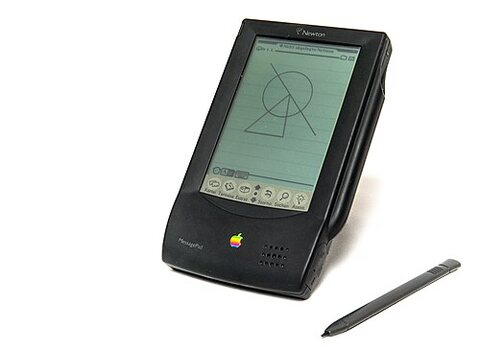 Apple Newton
The handheld that was right, ten years early
1993–1998
Apple Newton
The handheld that was right, ten years early
1993–1998
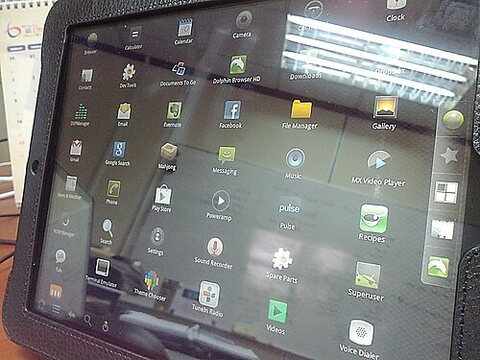 HP TouchPad
Killed 49 days after launch
2011–2011
HP TouchPad
Killed 49 days after launch
2011–2011
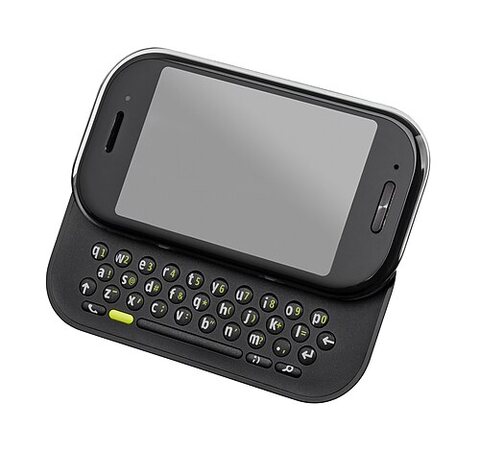 Microsoft Kin
Dead in 48 days
2010–2011
Microsoft Kin
Dead in 48 days
2010–2011
 Amazon Fire Phone
Amazon's 3D phone, $199 in July, 99 cents by September, $170 million written off by October
2014–2015
Amazon Fire Phone
Amazon's 3D phone, $199 in July, 99 cents by September, $170 million written off by October
2014–2015
 Nokia Lumia
Nokia's bright Windows Phones, and the bet that took the company down with them
2011–2017
Nokia Lumia
Nokia's bright Windows Phones, and the bet that took the company down with them
2011–2017
 Palm Pre
The comeback phone that invented the card interface and could not save Palm
2009–2011
Palm Pre
The comeback phone that invented the card interface and could not save Palm
2009–2011
Sources [edit]
- Nexus S review Engadget 10 December 2010 [archived]
- Google announces the Pixel The Verge 4 October 2016 [archived]
Last verified: 14 August 2026. Spotted an error? Suggest an edit (corrections with sources are reviewed and applied).