Nokia Lumia
Nokia's bright Windows Phones, and the bet that took the company down with them
Nokia Lumia was the line of Windows Phone smartphones Nokia launched with the Lumia 800 on 26 October 2011, after Stephen Elop's "burning platform" memo abandoned Symbian and MeeGo for Microsoft. Bright polycarbonate bodies and the 41-megapixel Lumia 1020 won praise; Windows Phone won few apps and little share. Microsoft bought the business in 2014, sold the last Lumia in 2016 and admitted in October 2017 that Windows phones were over.
Timeline [edit]
- 2011
-
8 February 2011
other
The burning platform
Stephen Elop drops Symbian and MeeGo for Windows Phone.
-
26 October 2011
Launch
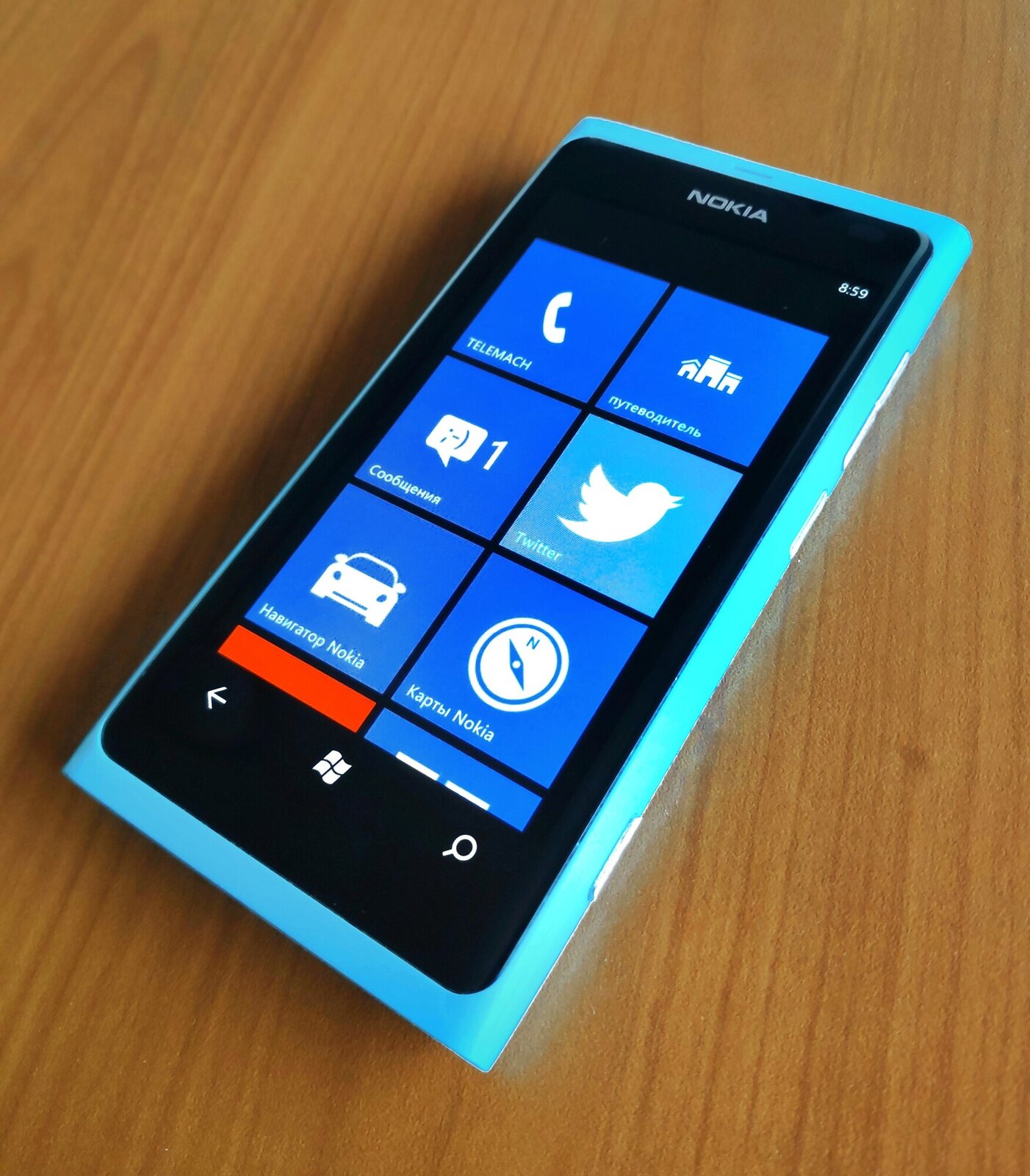
The Lumia 800
The N9's body with Windows Phone inside, at Nokia World in London.
- 2013
-
11 July 2013
Version
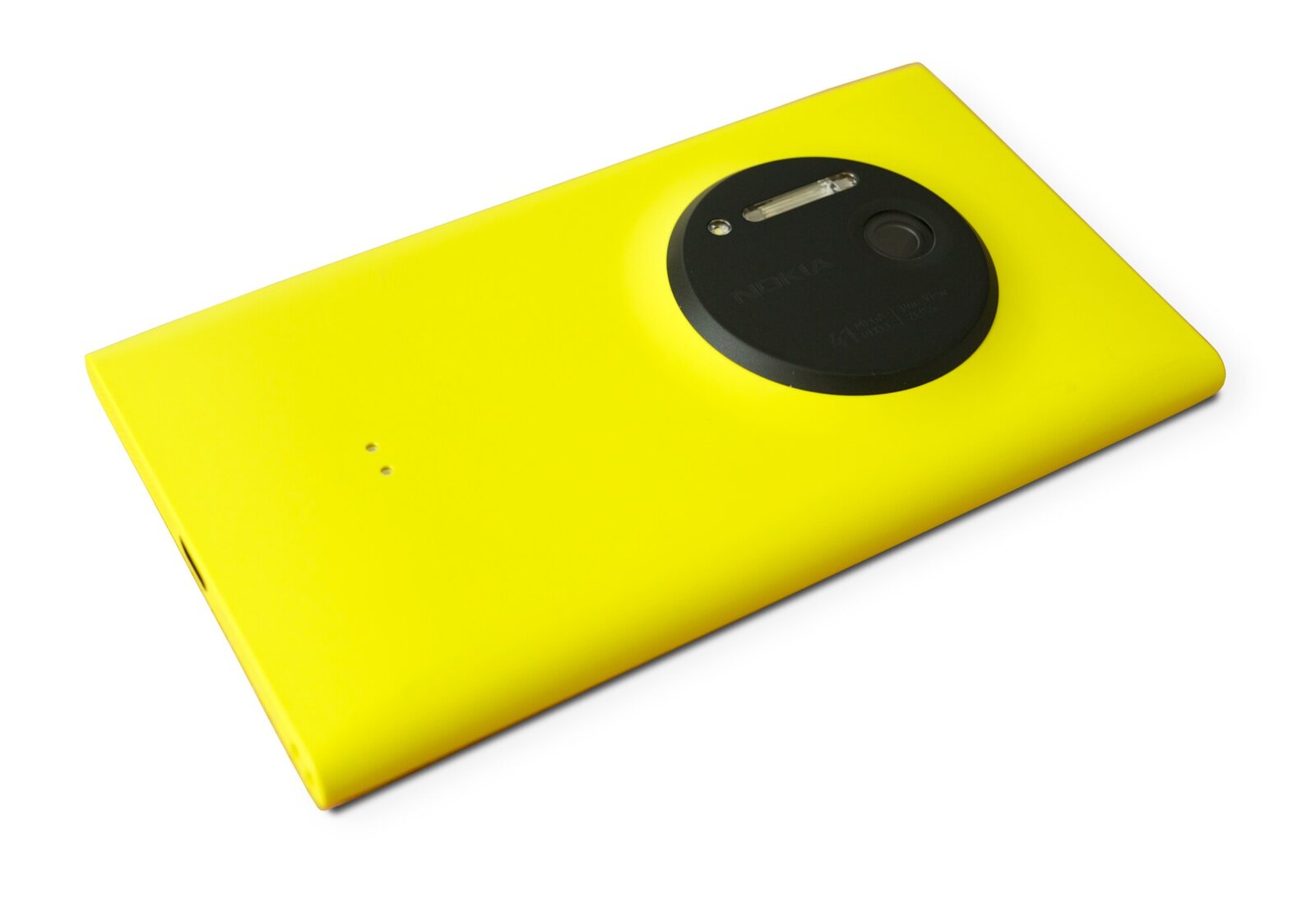
The Lumia 1020
A 41-megapixel camera phone, still a landmark.
-
3 September 2013
Acquisition
Microsoft agrees to buy Nokia's phone business
5.4 billion euros; the deal closes in April 2014.
- 2014
-
24 October 2014
Rebrand
Microsoft Lumia
The Nokia name comes off the phones.
-
December 2014
Peak
10.5 million Lumias in a quarter
The high-water mark, mostly cheap models.
- 2015
-
8 July 2015
Decline
The $7.6 billion write-off
Microsoft cuts 7,800 jobs, most from Nokia.
- 2016
-
15 February 2016
Version
The Lumia 650
The last phone to carry the name.
- 2017
-
9 October 2017
Shutdown
"Not the focus"
Joe Belfiore confirms Windows phones are over; the Lumias leave the store.
How it looked [edit]
The site through time
Browse microsoft.com as it was, via the Internet Archive's Wayback Machine:
Ownership [edit]
Why it shut down [edit]
Official line: Lumia phones ran only Windows Phone, and Windows Phone never got past a few percent of the market. Microsoft bought Nokia's phone business in 2014, renamed the line Microsoft Lumia, wrote off the purchase and cut most of the staff in 2015, and released the last Lumia in February 2016. In October 2017 Microsoft's Joe Belfiore said new Windows phone hardware and features were finished, and the remaining Lumias were cleared from the Microsoft Store.
Our analysis: The Lumias were the best-built phones of their era, with cameras and colours that Android makers copied, and none of it mattered because the apps were on the other two platforms. Nokia bet the company on Windows Phone in February 2011, when it still had the biggest phone business in the world; three years later it sold that business to Microsoft, and Microsoft spent $7 billion to learn the same lesson.
History [edit]
The burning platform
On 8 February 2011 Nokia's new chief executive Stephen Elop, hired from Microsoft five months earlier, announced that Nokia would drop Symbian and its new MeeGo system and build its smartphones on Windows Phone. His internal memo comparing Nokia to a man on a burning oil platform had leaked days before. Nokia was still the largest phone maker in the world; its share price fell 14 percent that day.
The first result was the Lumia 800, unveiled at Nokia World in London on 26 October 2011: the body of the MeeGo-based N9, a single piece of coloured polycarbonate, with Windows Phone 7.5 inside. The Lumia 900 followed on AT&T in April 2012 with a $150 million marketing push, then the Lumia 920 that November with optical image stabilisation and wireless charging, and in July 2013 the Lumia 1020 with a 41-megapixel camera that remains a landmark of phone photography. The cheap Lumia 520 became the best-selling Windows Phone ever, and Windows Phone briefly passed 10 percent of sales in a few European markets.
Microsoft
It was not enough. Nokia's phone business lost money every quarter of the Lumia era, and on 3 September 2013 Microsoft agreed to buy it for 5.4 billion euros; the deal closed on 25 April 2014, and Elop returned to Microsoft with it. Lumia sales peaked at 10.5 million in the last quarter of 2014, mostly cheap models, and on 24 October 2014 the "Nokia" on the phones became "Microsoft Lumia".
On 8 July 2015 Microsoft wrote off $7.6 billion on the acquisition and cut 7,800 jobs, most of them former Nokia staff. The Lumia 950 and 950 XL launched Windows 10 Mobile in November 2015 to shrugs, and the Lumia 650 of February 2016 was the last phone to carry the name.
The end
Microsoft sold its remaining stock through 2016 and 2017. On 9 October 2017 Joe Belfiore, who ran Windows, said publicly that building new features and hardware for Windows 10 Mobile was "not the focus", which everyone read correctly as the end. The Lumias left the Microsoft Store that autumn, and Windows 10 Mobile support ended in January 2020. Nokia's brand went to HMD Global for Android phones; the Lumia name went nowhere.
The domain today
microsoft.com no longer has a Lumia section. Nokia's own lumia pages redirected to Microsoft in 2014 and then vanished.
Similar projects
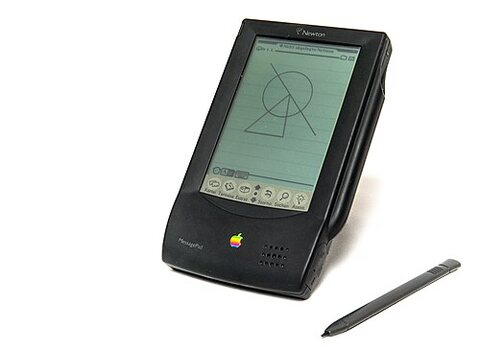 Apple Newton
The handheld that was right, ten years early
1993–1998
Apple Newton
The handheld that was right, ten years early
1993–1998
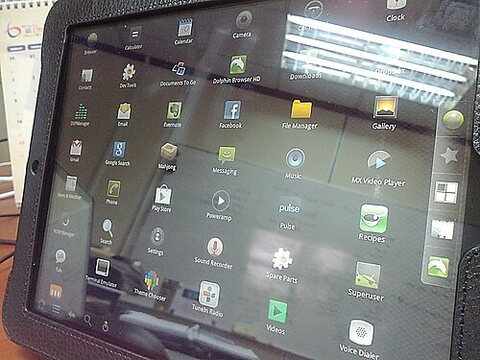 HP TouchPad
Killed 49 days after launch
2011–2011
HP TouchPad
Killed 49 days after launch
2011–2011
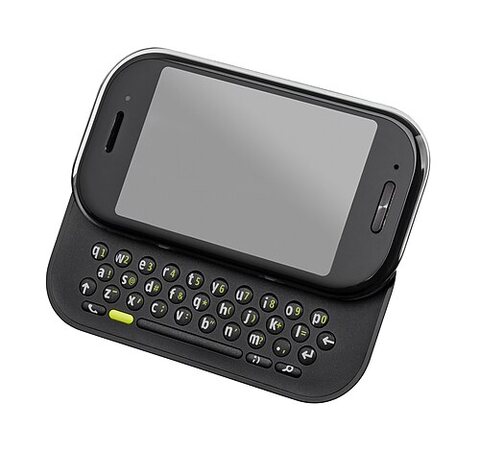 Microsoft Kin
Dead in 48 days
2010–2011
Microsoft Kin
Dead in 48 days
2010–2011
 Google Nexus
Android the way Google meant it, until Google wanted the whole phone
2010–2016
Google Nexus
Android the way Google meant it, until Google wanted the whole phone
2010–2016
 Amazon Fire Phone
Amazon's 3D phone, $199 in July, 99 cents by September, $170 million written off by October
2014–2015
Amazon Fire Phone
Amazon's 3D phone, $199 in July, 99 cents by September, $170 million written off by October
2014–2015
 Palm Pre
The comeback phone that invented the card interface and could not save Palm
2009–2011
Palm Pre
The comeback phone that invented the card interface and could not save Palm
2009–2011
Sources [edit]
- Nokia announces the Lumia 800, the "first real Windows Phone" Engadget 26 October 2011 [archived]
- Nokia Lumia sales weaker over holidays, but doubled in 2013 The Verge 23 January 2014 [archived]
- Microsoft Lumia design officially revealed without Nokia branding The Verge 24 October 2014 [archived]
- Windows Phone is dead The Verge 28 January 2016 [archived]
- Microsoft finally admits Windows Phone is dead The Verge 9 October 2017 [archived]
Last verified: 15 August 2026. Spotted an error? Suggest an edit (corrections with sources are reviewed and applied).