
Google Daydream
Google's soft-fabric VR headset for Pixels, dropped after three years
Google Daydream was the virtual reality platform for Android phones that Google announced in May 2016 and launched with the $79 Daydream View headset on 10 November 2016: a fabric visor and a small remote, with certified "Daydream-ready" phones from Google, Samsung, Motorola and others. It never reached a mass audience. Google discontinued the headset on 15 October 2019, when the Pixel 4 dropped support, and removed Daydream from Android 11 in 2020.
Timeline [edit]
- 2016
-
18 May 2016
Feature
Daydream is announced at I/O
A VR mode in Android and a certification for phones.
-
10 November 2016
Launch
Daydream View ships
$79, in soft grey fabric, alongside the first Pixel.
- 2017
-
25 January 2017
Feature
Open to all developers
The store opens beyond Google's launch partners.
-
4 October 2017
Version
The second Daydream View
$99, with better lenses.
- 2018
-
4 May 2018
Feature
Lenovo Mirage Solo
A standalone Daydream headset with positional tracking, $399.
- 2019
-
15 October 2019
Shutdown
Discontinued with the Pixel 4
"Clear limitations" and no broad adoption; the View is dropped.
- 2020
-
October 2020
Shutdown
Android 11 removes Daydream
The apps stop working on new software.
How it looked [edit]
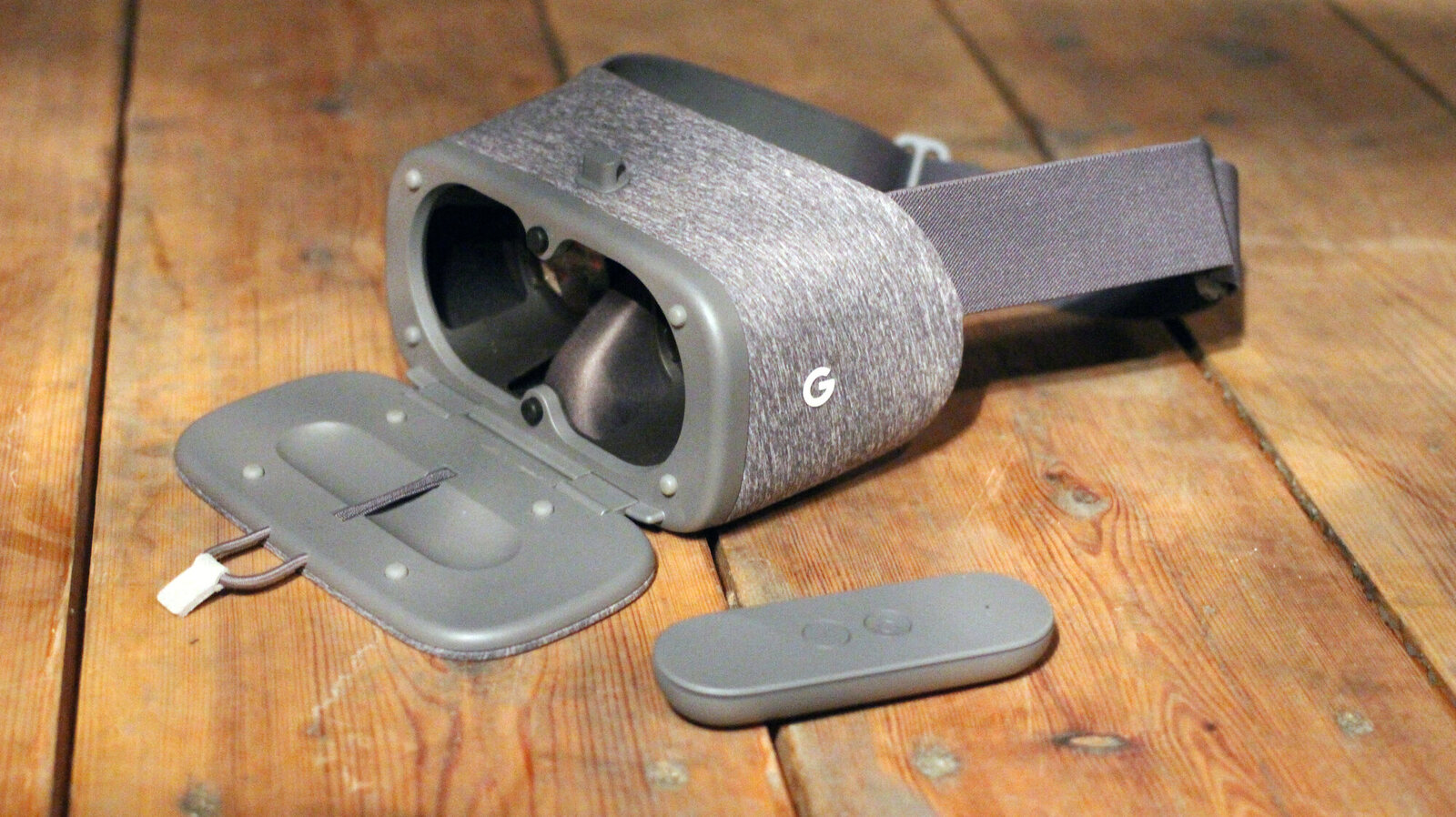
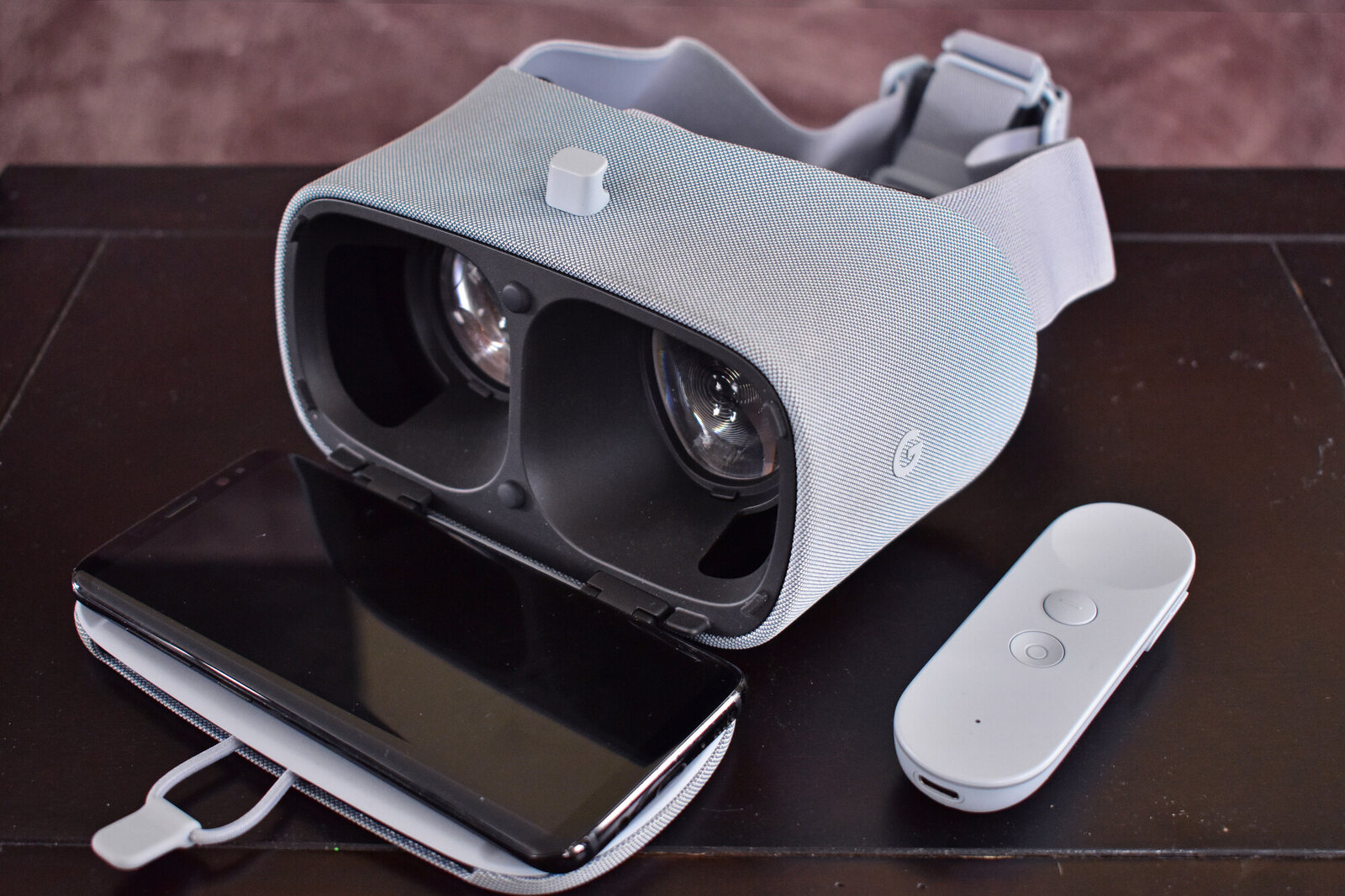
The site through time
Browse arvr.google.com as it was, via the Internet Archive's Wayback Machine:
Ownership [edit]
Why it shut down [edit]
Official line: On 15 October 2019, launching the Pixel 4 without Daydream support, Google said it was discontinuing the Daydream View headset and no longer certifying new phones, citing "clear limitations" of phone VR and a lack of broad adoption. Android 11 removed Daydream support in 2020, and the platform's apps stopped working on new software.
Our analysis: Daydream was the sensible version of phone VR, with a comfortable headset, a controller and a curated store, and it still asked people to lock their phone into a box for twenty minutes to do less than a Quest could. Google's own numbers said usage was low, phone makers stopped bothering to certify handsets, and Google, which had never sold hardware it did not want to make, walked away the moment the standalone future arrived.
History [edit]
Cardboard, grown up
Google announced Daydream at I/O on 18 May 2016 as the successor to Cardboard: a VR mode built into Android Nougat, a specification for "Daydream-ready" phones with fast screens and low latency, a reference headset and a motion controller, and a store of proper apps. Clay Bavor, who ran Google's VR group, presented it as VR for everyone with a good phone. The Daydream View shipped on 10 November 2016 for $79, alongside the first Pixel: a headset covered in soft grey fabric that looked like a piece of clothing, with a lens holder you dropped the phone into and a small remote with a touchpad. Reviewers liked the comfort and the price and noted the same limitation Cardboard had, that a phone strapped to your face got hot and offered only head-turning, not movement.
Waiting for phones
Daydream needed phone makers to certify handsets, and they did so slowly: the Pixel and Moto Z at first, then Samsung's Galaxy S8 in 2017 after months of delay, ZTE, Asus, Huawei and LG. Google opened the platform to all developers in January 2017 and shipped a second, $99 View in October 2017. In 2018 the Lenovo Mirage Solo brought Daydream to a standalone headset with WorldSense positional tracking, an attempt to escape the phone entirely, at $399. None of it produced an audience: Google later said users were opening Daydream rarely, and it stopped selling the View in some markets during 2019.
The Pixel 4
On 15 October 2019, announcing the Pixel 4, Google confirmed the new phone would not support Daydream and that it was discontinuing the Daydream View headset, saying it had "noticed some clear limitations" of smartphone VR and had "not seen the broad consumer or developer adoption we had hoped for". The Daydream app kept working on older phones until Android 11 removed the platform in 2020. Three weeks after the Pixel 4 announcement, Google open-sourced Cardboard and left phone VR altogether.
The domain today
arvr.google.com/daydream/ redirects to a Google support page explaining that Daydream is no longer supported.
Similar projects
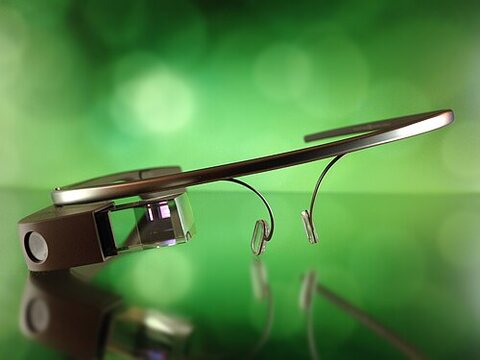 Google Glass
The face computer the public rejected
2013–2023
Google Glass
The face computer the public rejected
2013–2023
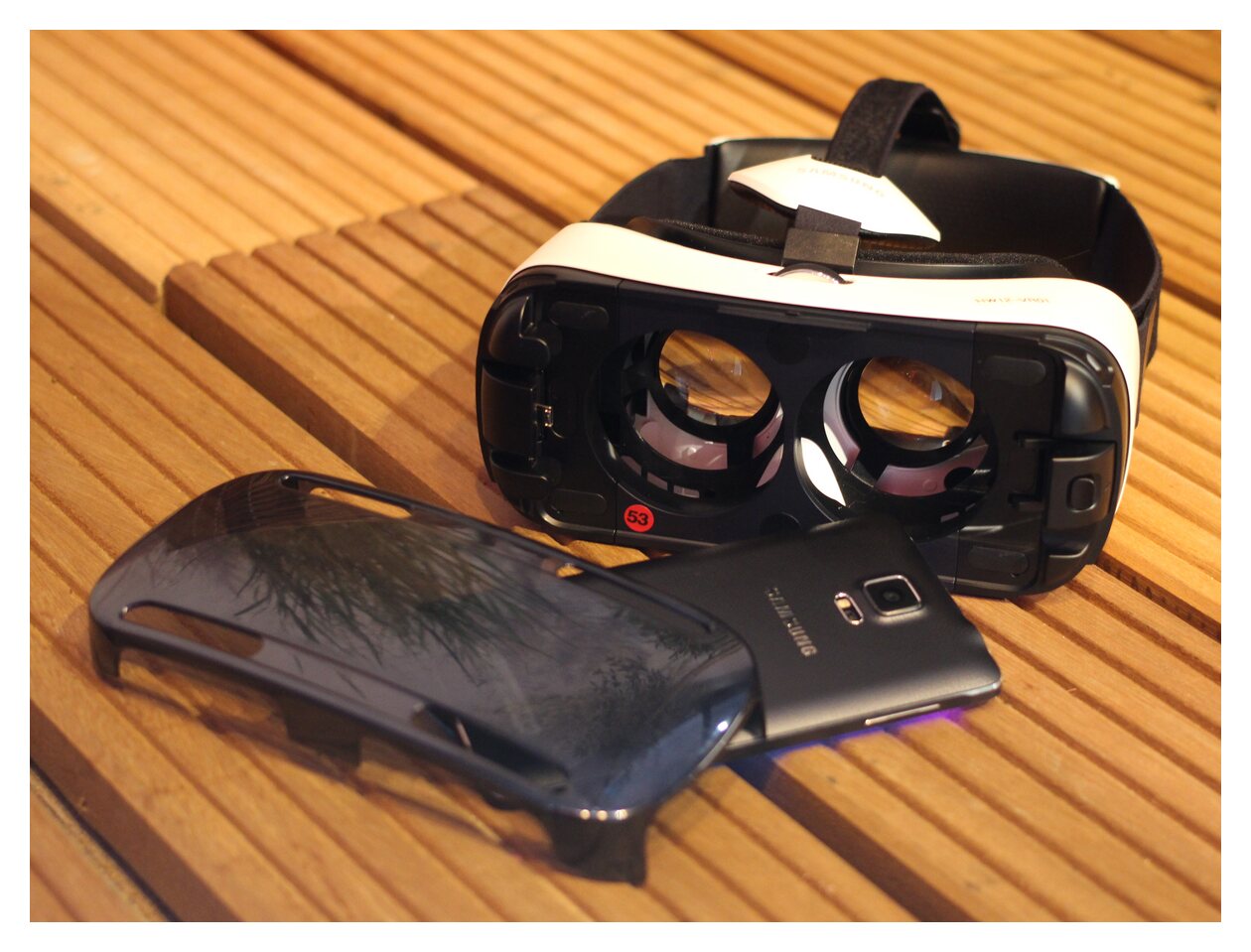 Samsung Gear VR
The Oculus-powered headset you snapped a Galaxy into, retired when standalone VR arrived
2014–2020
Samsung Gear VR
The Oculus-powered headset you snapped a Galaxy into, retired when standalone VR arrived
2014–2020
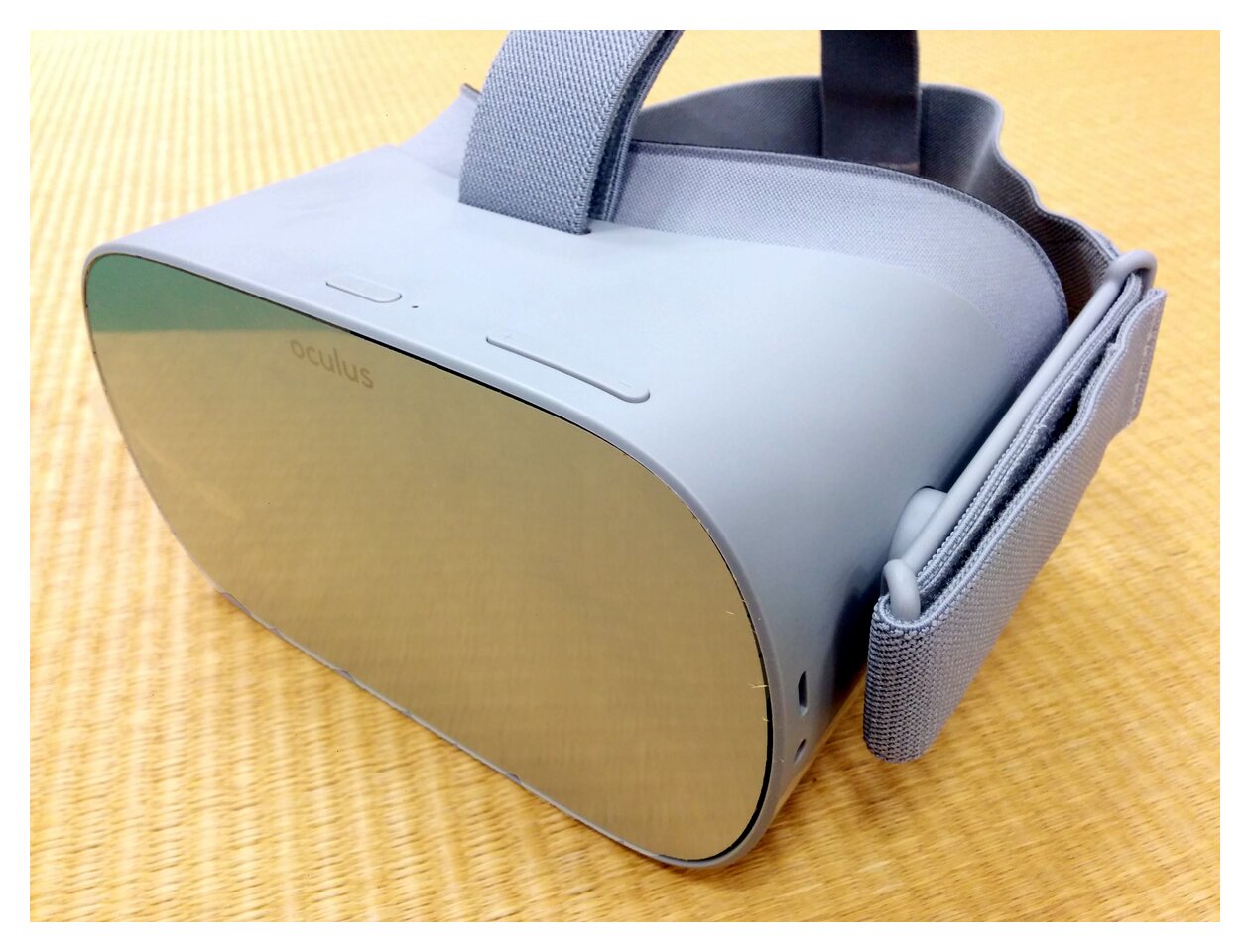 Oculus Go
The $199 standalone headset Facebook dropped two years later for the Quest
2018–2020
Oculus Go
The $199 standalone headset Facebook dropped two years later for the Quest
2018–2020
 Google Cardboard
Virtual reality from a folded box and a phone, ten million viewers, then quietly shelved
2014–2021
Google Cardboard
Virtual reality from a folded box and a phone, ten million viewers, then quietly shelved
2014–2021
 ICQ
The messenger that gave you a number
1996–2024
ICQ
The messenger that gave you a number
1996–2024
 MySpace
A place for friends
2003–now
MySpace
A place for friends
2003–now
Sources [edit]
- Daydream is Google's Android-powered VR platform The Verge 18 May 2016 [archived]
- Daydream View: coming to stores November 10th Google 1 November 2016 [archived]
- Google Daydream View review The Verge 10 November 2016 [archived]
- Google is discontinuing Daydream View and the Pixel 4 will not support it The Verge 15 October 2019 [archived]
- Android 11 drops support for Google Daydream VR The Verge 2 October 2020 [archived]
Last verified: 15 August 2026. Spotted an error? Suggest an edit (corrections with sources are reviewed and applied).