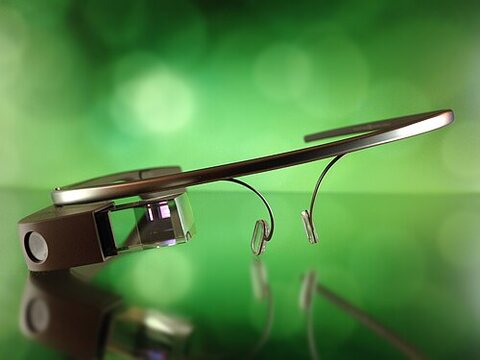
Google Glass
The face computer the public rejected
Google Glass put a screen and camera on a pair of glasses, sold to Explorers from 2013 at $1,500. Public backlash over filming, bans in bars and cinemas, and a thin use case ended the consumer product in 2015; the enterprise version was discontinued in March 2023 with support ending that September.
Timeline [edit]
- 2012
-
27 June 2012
Feature
The skydiving demo at Google I/O
Sergey Brin unveils Glass with a live jump onto the Moscone Center roof.
- 2013
-
15 April 2013
Launch
Explorer Edition ships
$1,500 for developers and selected buyers.
- 2014
-
2014
Incident
The "Glasshole" backlash
Bans in bars, cinemas and casinos; privacy confrontations make headlines.
- 2015
-
19 January 2015
Decline
Explorer programme ends
The consumer version is withdrawn from sale.
- 2017
-
18 July 2017
Revival
Glass Enterprise Edition
A second life in factories, warehouses and hospitals.
- 2023
-
15 March 2023
Shutdown announced
Enterprise sales end
Support to finish in September.
-
15 September 2023
Shutdown
Support ends
Ten years after the Explorer launch, Glass is finished.
How it looked [edit]
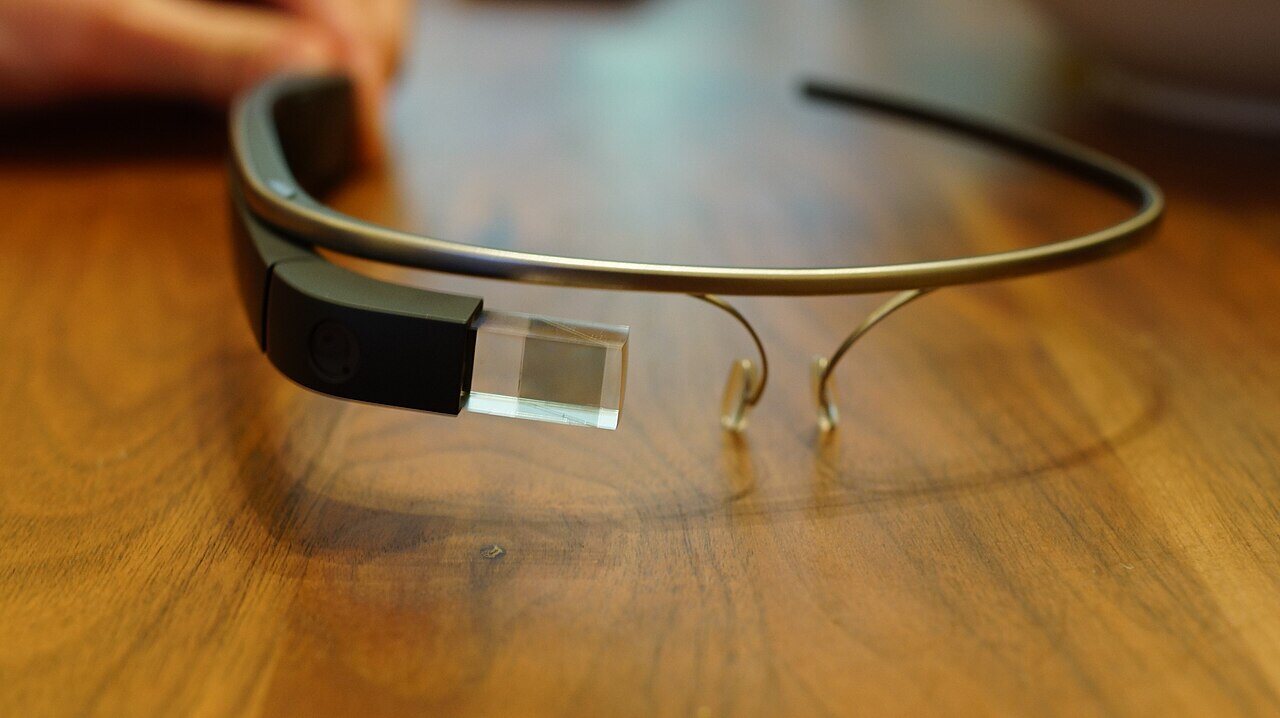
The site through time
Browse google.com as it was, via the Internet Archive's Wayback Machine:
Ownership [edit]
Why it shut down [edit]
Official line: Google stopped selling Glass Enterprise Edition on 15 March 2023 and ended support on 15 September 2023, a decade after the consumer Explorer programme began.
Our analysis: Glass failed socially before it failed commercially: a camera on a stranger's face turned wearers into "Glassholes" and got the device banned from bars, cinemas and locker rooms. The enterprise pivot worked technically in warehouses and factories, but was never a business Google wanted to keep.
History [edit]
The most talked-about gadget nobody wanted
Glass was Google X's flagship: a prism display over one eye, a camera, a touchpad on the temple and "OK Glass" voice commands. Sergey Brin demoed it via skydivers streaming into Google I/O 2012. The Explorer Edition went to developers and selected buyers from April 2013 at $1,500, and Glass was suddenly everywhere in the press, on Vogue's pages and on a Diane von Furstenberg runway.
The public reaction was something Google did not anticipate. A stranger wearing a camera on their face read as surveillance, not futurism. Bars, cinemas, casinos, hospitals and gyms banned it; there were physical confrontations; "Glasshole" entered the dictionary within a year. Meanwhile the device itself was awkward: about an hour of video battery, a small app catalogue, and no clear thing it did better than the phone already in your pocket.
Two more lives, then nothing
Google ended the Explorer programme in January 2015. Glass came back in 2017 as Glass Enterprise Edition, a genuinely sensible product for factory, warehouse and surgical work where hands-free instructions matter, and Enterprise Edition 2 followed in 2019. Even that ended: on 15 March 2023 Google stopped selling it, with support finishing on 15 September 2023. Google said it remained committed to augmented reality, and its 2024-era smart-glasses efforts inherit the lesson Glass paid for: put the camera where nobody has to think about it, or do not put it on a face at all.
Similar projects
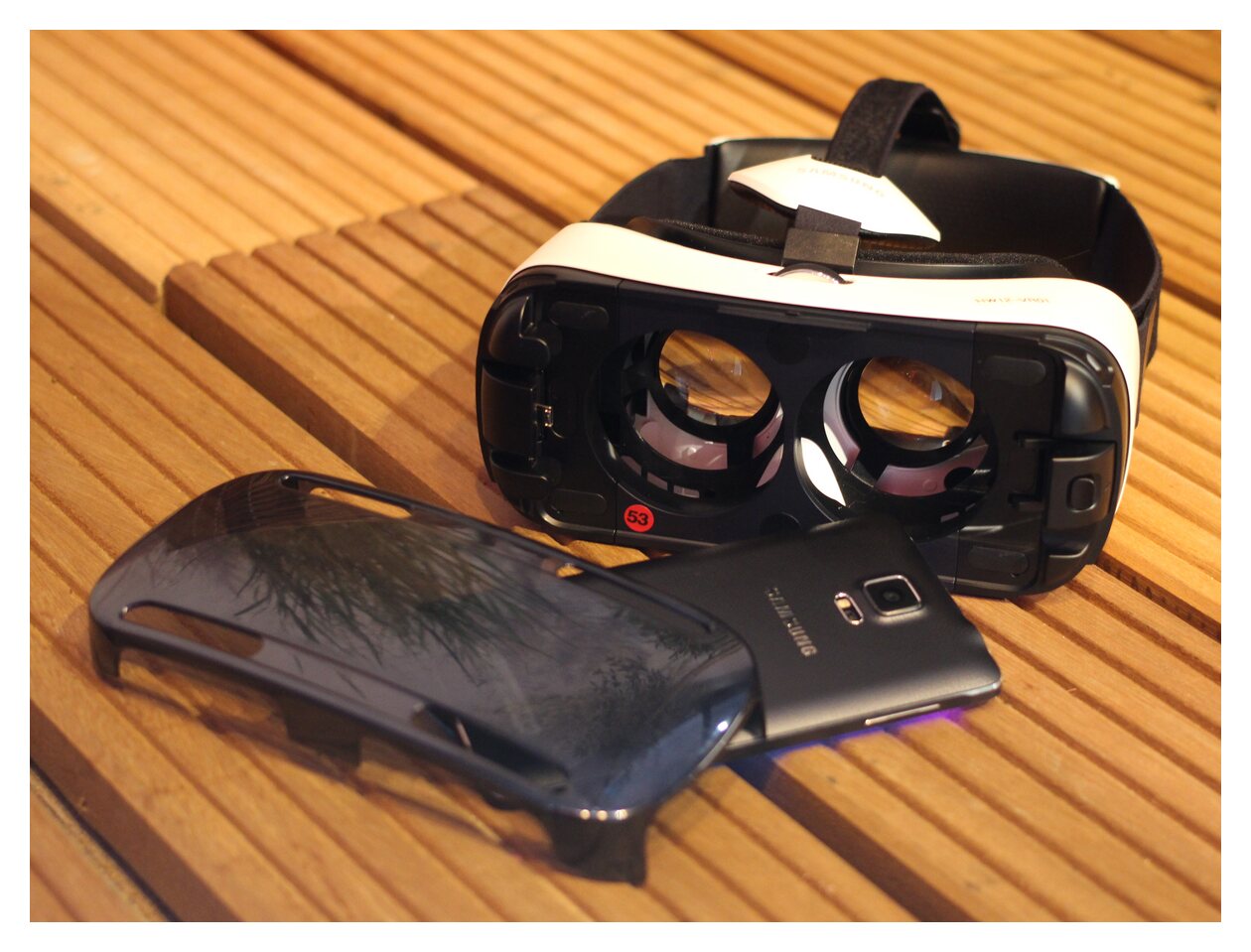 Samsung Gear VR
The Oculus-powered headset you snapped a Galaxy into, retired when standalone VR arrived
2014–2020
Samsung Gear VR
The Oculus-powered headset you snapped a Galaxy into, retired when standalone VR arrived
2014–2020
 Google Cardboard
Virtual reality from a folded box and a phone, ten million viewers, then quietly shelved
2014–2021
Google Cardboard
Virtual reality from a folded box and a phone, ten million viewers, then quietly shelved
2014–2021
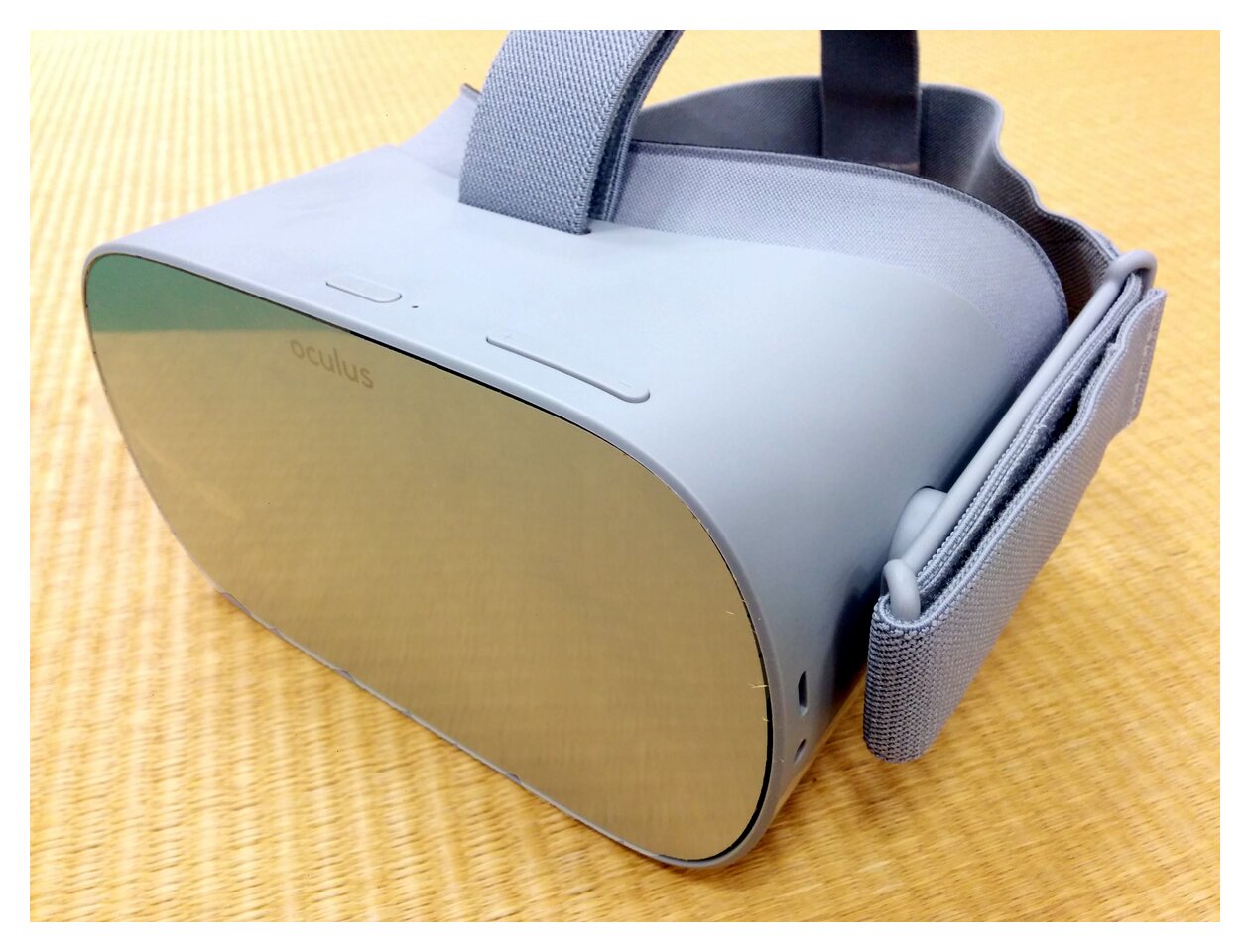 Oculus Go
The $199 standalone headset Facebook dropped two years later for the Quest
2018–2020
Oculus Go
The $199 standalone headset Facebook dropped two years later for the Quest
2018–2020
 Google Daydream
Google's soft-fabric VR headset for Pixels, dropped after three years
2016–2019
Google Daydream
Google's soft-fabric VR headset for Pixels, dropped after three years
2016–2019
 ICQ
The messenger that gave you a number
1996–2024
ICQ
The messenger that gave you a number
1996–2024
 MySpace
A place for friends
2003–now
MySpace
A place for friends
2003–now
Sources [edit]
- Google has discontinued the Glass Enterprise Edition 9to5Google 15 March 2023 [archived]
- Glass Enterprise Edition Announcement FAQ Google 15 March 2023 [archived]
Last verified: 11 August 2026. Spotted an error? Suggest an edit (corrections with sources are reviewed and applied).