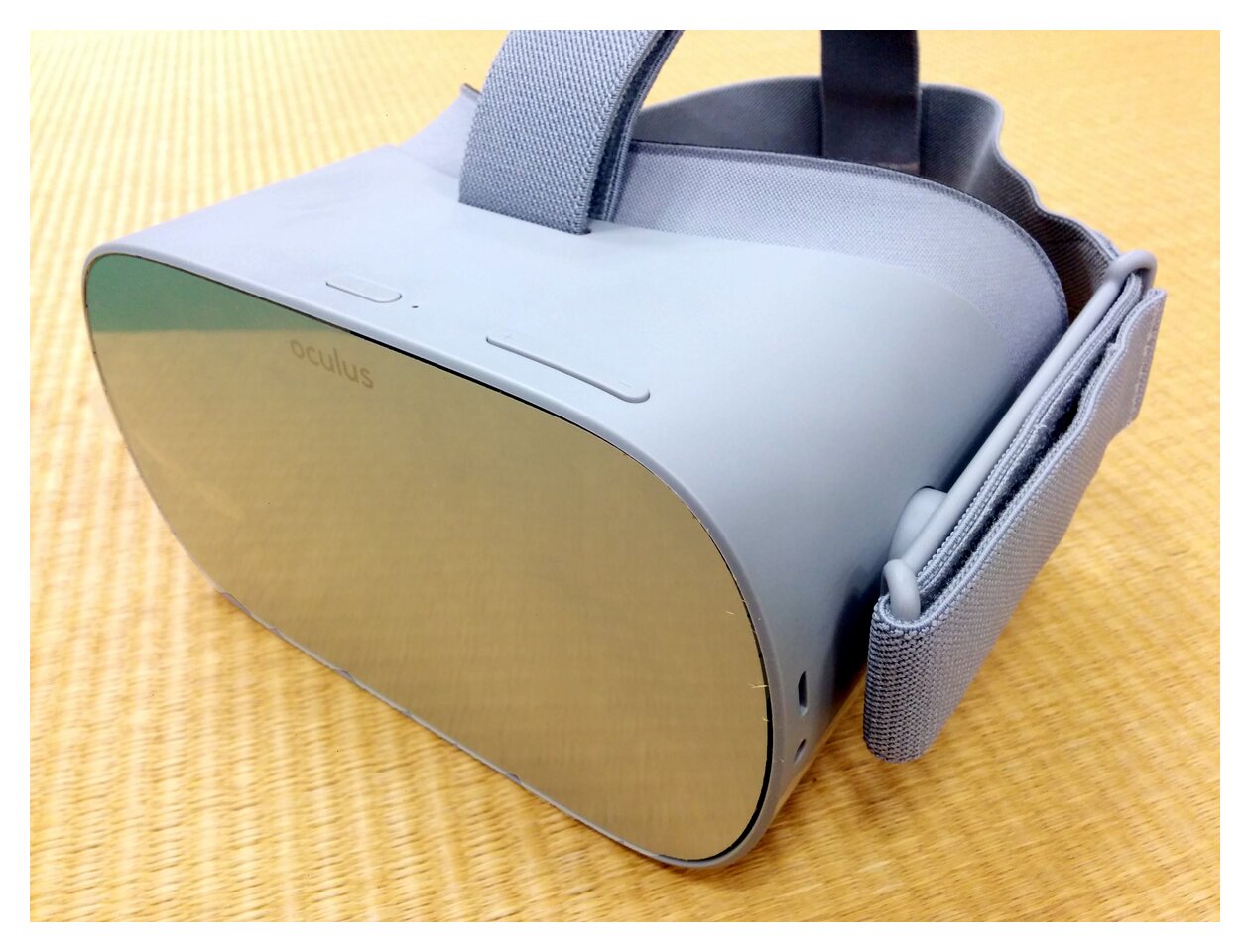
Oculus Go
The $199 standalone headset Facebook dropped two years later for the Quest
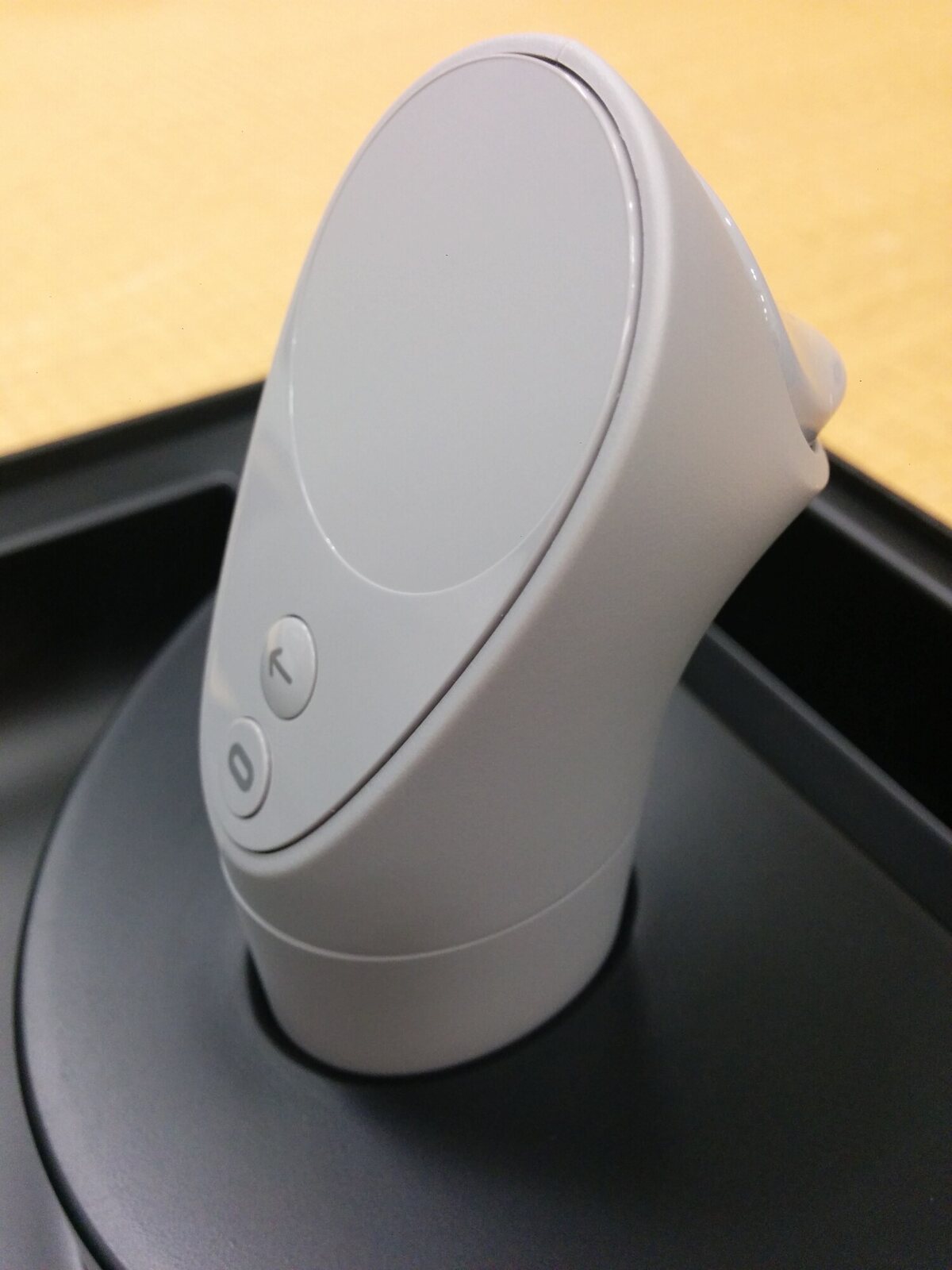
The Oculus Go was Facebook's first standalone virtual reality headset, made with Xiaomi and released on 1 May 2018 at $199: no PC, no phone, a built-in screen and chip, and a small controller, aimed at video and casual games. It sold well for a VR device and was overtaken within a year by the Quest, which tracked your body as well as your head. Facebook discontinued it on 23 June 2020 and ended updates that December, then unlocked it for tinkerers.
Timeline [edit]
- 2017
-
11 October 2017
Feature
Announced at Oculus Connect 4
A $199 headset that needs no PC and no phone.
- 2018
-
1 May 2018
Launch
Oculus Go ships
"The first standalone VR headset that matters."
-
20 September 2018
Peak
Walmart buys 17,000
The Go becomes a training tool as well as a cinema.
- 2019
-
21 May 2019
Decline
The Quest arrives
Full tracking at $399; the Go's category stops making sense.
- 2020
-
23 June 2020
Shutdown announced
Facebook discontinues the Go
Sales end; new apps until 4 December, updates until 18 December.
-
18 December 2020
Shutdown
No new apps added to the Go store
The store front closes to new Go software.
- 2021
-
1 October 2021
other
The unlocked OS
John Carmack ships a rootable build so owners can keep the hardware alive.
How it looked [edit]
The site through time
Browse oculus.com as it was, via the Internet Archive's Wayback Machine:
Ownership [edit]
Why it shut down [edit]
Official line: On 23 June 2020 Facebook announced it would stop selling the Oculus Go and concentrate on the Quest line, which tracked movement in six degrees of freedom where Go could only track head rotation. New apps and updates for Go stopped being accepted on 4 December 2020 and system updates ended on 18 December 2020. In 2021 John Carmack pushed out an unlocked operating system so owners could keep using the hardware.
Our analysis: Oculus Go proved that VR without a PC or a phone worked and could be cheap, and then its own successor made it look like a toy: without positional tracking or hand controllers it was a private cinema, not a place. Facebook, in a hurry to standardise on Quest, killed it fast, and Carmack's parting gift of an unlocked OS is the only reason the hardware did not become e-waste on a schedule.
History [edit]
No PC, no phone
Facebook announced the Oculus Go at Oculus Connect on 11 October 2017 as the middle of its line: below the PC-tethered Rift, above the Gear VR, and unlike both needing nothing else, with a Qualcomm chip, a 2560x1440 LCD and speakers built into the visor. Xiaomi built it and sold a Chinese version as the Mi VR Standalone. It shipped on 1 May 2018 at $199 for 32 GB, and reviewers said the same thing: the best-value VR ever, comfortable, sharp, and limited, because it tracked which way your head turned but not where it moved. It was made for Netflix on a virtual screen, 360-degree video and light games, and for a while it sold in numbers that made it a meaningful share of all VR headsets, and Walmart bought thousands to train staff.
Quest
A year later, on 21 May 2019, the Oculus Quest arrived at $399 with inside-out tracking of the headset and two hand controllers, and the Go's category ceased to make sense. Facebook cut the Go's price to $149, then on 23 June 2020 announced it would stop selling it, would stop accepting new Go apps on 4 December 2020, and would end system software updates on 18 December 2020, pointing developers to the Quest. The Go had lasted 26 months. Its most lasting legacy was as a warning: an internet-connected device with a store can be switched off from headquarters.
Unlocked
Facebook did one unusual thing on the way out. John Carmack, then Oculus's consulting CTO, campaigned internally to release an unlocked build of the Go's operating system so that owners could root the device, sideload anything and keep it running without Facebook's servers, and in October 2021 it shipped. It remains a rare case of a company deliberately opening up hardware it had abandoned.
The domain today
oculus.com now redirects to Meta's Quest pages; the Go's store listing is gone and its remaining apps are unlisted.
Similar projects
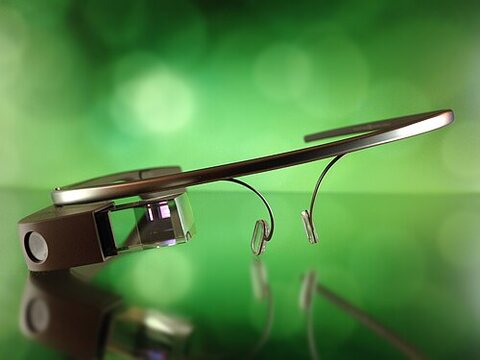 Google Glass
The face computer the public rejected
2013–2023
Google Glass
The face computer the public rejected
2013–2023
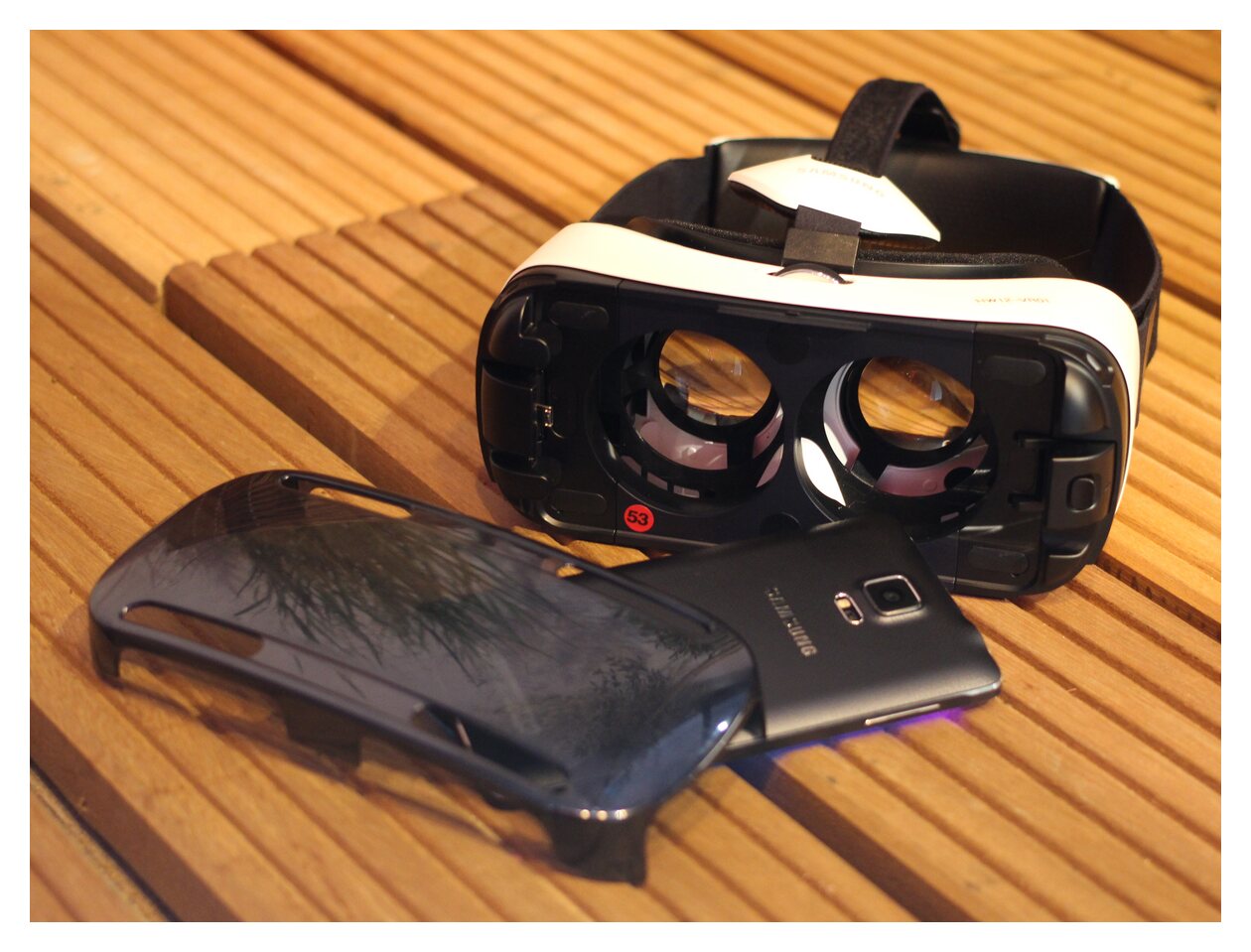 Samsung Gear VR
The Oculus-powered headset you snapped a Galaxy into, retired when standalone VR arrived
2014–2020
Samsung Gear VR
The Oculus-powered headset you snapped a Galaxy into, retired when standalone VR arrived
2014–2020
 Google Cardboard
Virtual reality from a folded box and a phone, ten million viewers, then quietly shelved
2014–2021
Google Cardboard
Virtual reality from a folded box and a phone, ten million viewers, then quietly shelved
2014–2021
 Google Daydream
Google's soft-fabric VR headset for Pixels, dropped after three years
2016–2019
Google Daydream
Google's soft-fabric VR headset for Pixels, dropped after three years
2016–2019
 FarmVille
The game that colonised Facebook
2009–2020
FarmVille
The game that colonised Facebook
2009–2020
 Club Penguin
A generation's first social network, with penguins
2005–2017
Club Penguin
A generation's first social network, with penguins
2005–2017
Sources [edit]
- Oculus partners with Xiaomi to launch the Oculus Go and Mi VR Standalone TechCrunch 8 January 2018 [archived]
- Oculus Go review: the first standalone VR headset that matters The Verge 1 May 2018 [archived]
- Oculus ditches Go headset to focus on Quest Eurogamer 24 June 2020 [archived]
- John Carmack pushes out unlocked OS for defunct Oculus Go headset Ars Technica 22 October 2021 [archived]
Last verified: 15 August 2026. Spotted an error? Suggest an edit (corrections with sources are reviewed and applied).