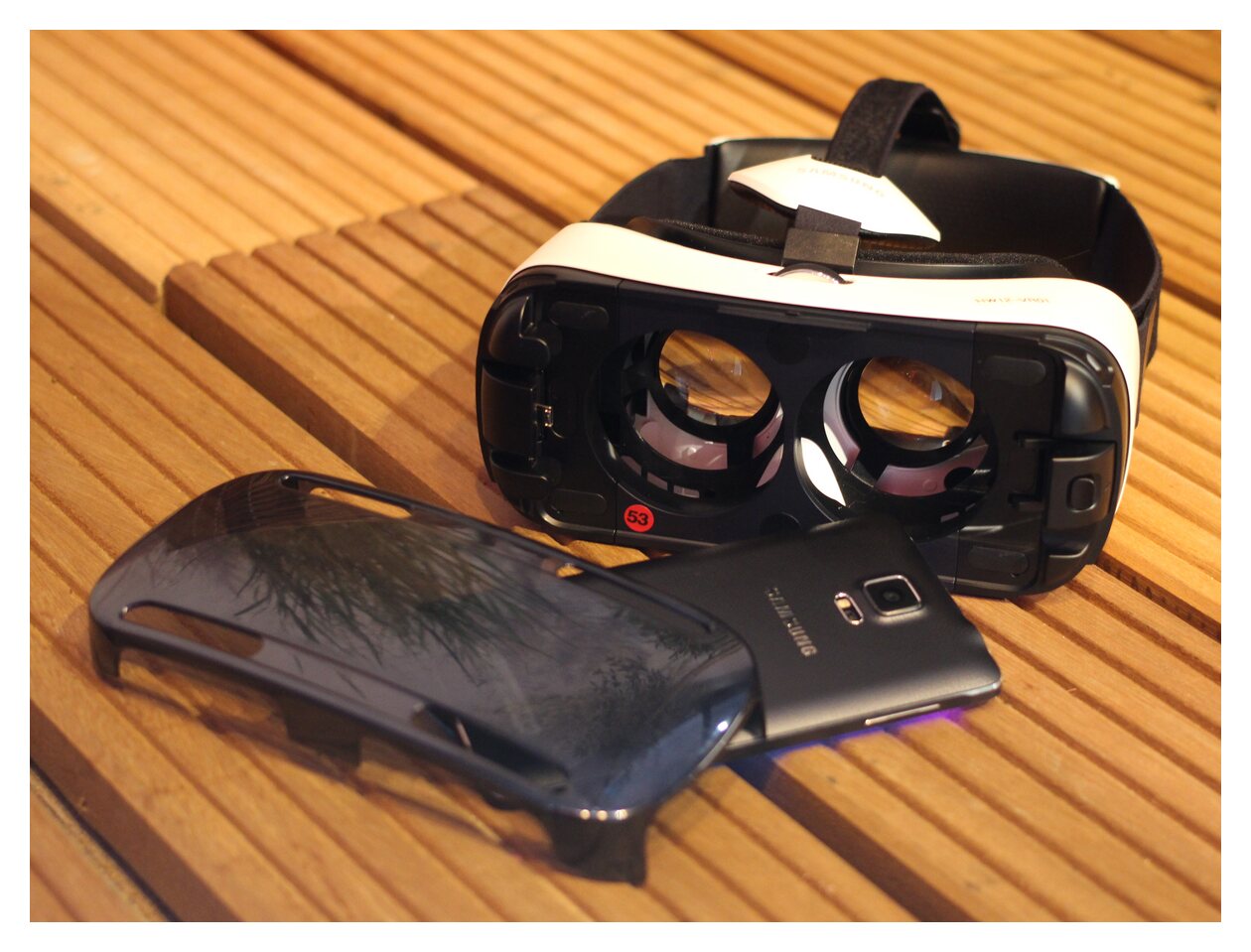
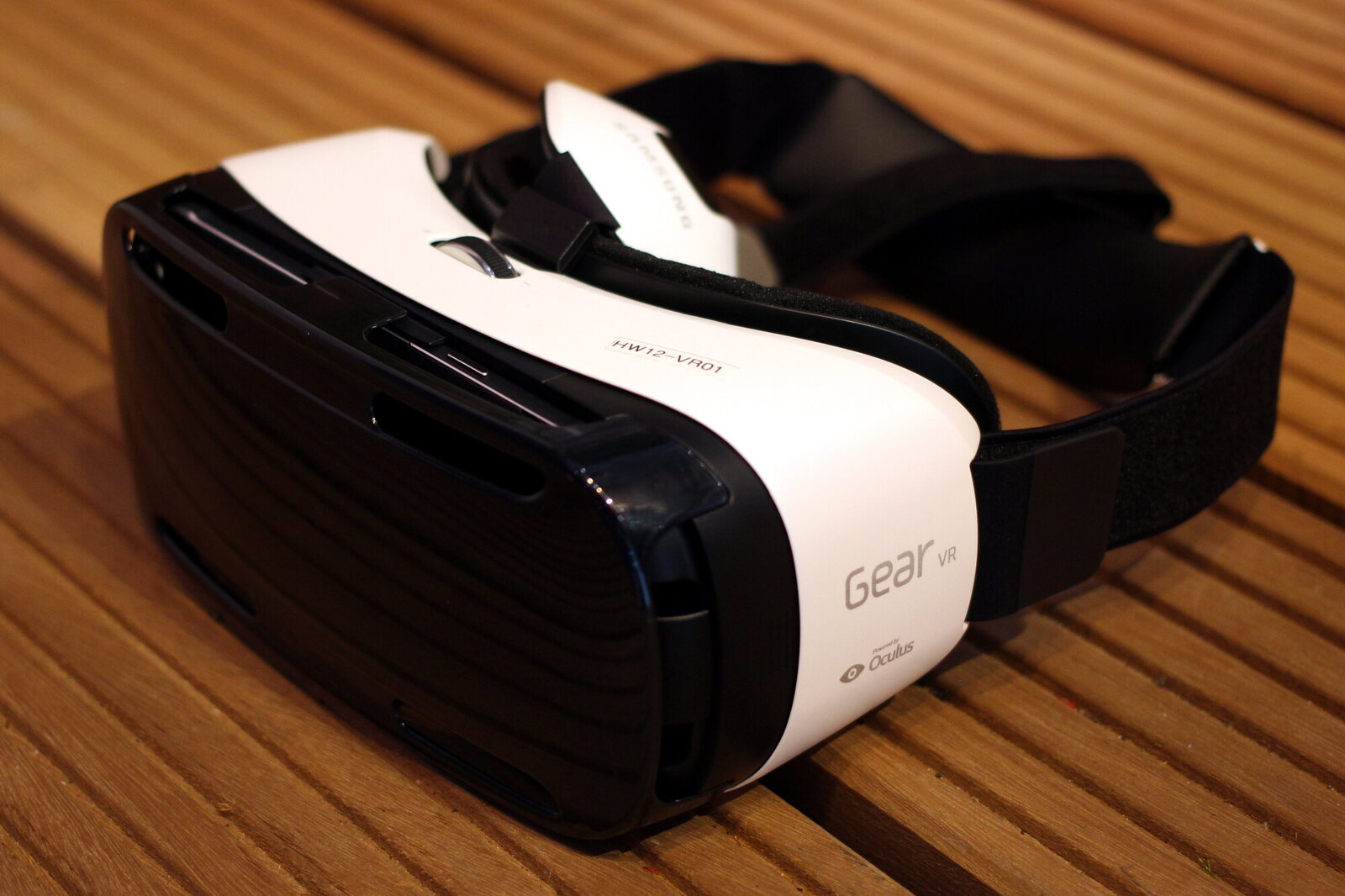
Samsung Gear VR
The Oculus-powered headset you snapped a Galaxy into, retired when standalone VR arrived
The Samsung Gear VR was a headset that turned a Galaxy phone into a virtual reality display, developed with Oculus and sold from December 2014 as an "Innovator Edition" and from November 2015 as a $99 consumer product. Five million shipped by early 2017, many bundled free with phones. Standalone headsets made it redundant; Samsung's 2019 phones dropped support and its XR service closed on 30 September 2020.
Timeline [edit]
- 2014
-
3 September 2014
Feature
Announced with the Galaxy Note 4
"Powered by Oculus."
-
8 December 2014
Launch
Innovator Edition ships
$199, for developers and the curious.
- 2015
-
20 November 2015
Launch
The $99 consumer Gear VR
The first mass-market VR headset that was actually good.
- 2016
-
11 October 2016
Incident
Disabled for the Note 7
Samsung and Oculus switch off VR for the recalled phone.
- 2017
-
5 January 2017
Peak
Five million shipped
Mostly bundled with Galaxy phones.
- 2018
-
1 May 2018
Decline
Oculus Go
Oculus's own standalone headset makes phone VR redundant.
- 2019
-
7 August 2019
Decline
The Note 10 drops support
Samsung's new flagships no longer work with Gear VR.
- 2020
-
11 May 2020
Shutdown announced
Samsung XR is ending
The headset's video service closes on 30 September.
-
30 September 2020
Shutdown
End of service
Samsung XR closes; the headset is left with what remains on the Oculus store.
How it looked [edit]
The site through time
Browse samsung.com as it was, via the Internet Archive's Wayback Machine:
Ownership [edit]
Why it shut down [edit]
Official line: Standalone headsets, first Oculus Go in 2018 and then Quest in 2019, made a phone-in-a-visor design pointless. Samsung's 2019 flagships did not support Gear VR, Facebook stopped taking new Gear VR apps, and on 11 May 2020 Samsung announced the end of its XR video service; it closed on 30 September 2020, taking the headset's content platform with it.
Our analysis: Gear VR was the first mass-market VR headset that was actually good, because Oculus wrote the software and Samsung had the screens, and it sold in the millions mostly as a bundle nobody asked for with a new phone. Phone VR was always a stopgap: the phone overheated, the battery drained, and the moment Oculus could put the same experience in a $199 box with its own chip, its partner's headset was obsolete.
History [edit]
Oculus inside
Samsung announced Gear VR on 3 September 2014 alongside the Galaxy Note 4, "powered by Oculus": John Carmack's team had written the software and the low-latency tracking, and Samsung supplied a plastic visor with lenses, a touchpad on the side, and a slot for the phone that became the screen and the computer. The Innovator Edition shipped on 8 December 2014 for $199, for developers and enthusiasts, and a $99 consumer version for the Galaxy S6 and Note 5 followed on 20 November 2015. It was, for the price and the era, remarkable: no wires, no PC, and a store of Oculus-curated games and 360-degree video.
Samsung pushed it hard. Gear VR came free with pre-orders of the Galaxy S7 in 2016, which is how it reached its numbers: Oculus said in January 2017 that five million had shipped. A 2017 model added a motion controller. The headset was also the centre of one of the stranger episodes of the Note 7 recall: on 11 October 2016 Samsung and Oculus remotely disabled Gear VR for the exploding phone, so nobody would strap one to their face.
Standalone
Then Oculus built its own. The Oculus Go of May 2018, made with Xiaomi, put a Gear VR-class experience in a $199 headset with its own chip and no phone, and the Quest of 2019 went further. Samsung's Galaxy S10 was the last flagship to support Gear VR; the Note 10 of August 2019 did not, and Facebook stopped accepting new Gear VR apps that year. On 11 May 2020 Samsung announced the end of Samsung XR, its 360-degree video service and apps, effective 30 September 2020, and Samsung's own support page now describes it as an end of service for both Gear VR and XR. Existing headsets still work with old phones and whatever content remains on the Oculus store, which is less every year.
The domain today
samsung.com carries an "End of service for Gear VR and Samsung XR" support page. The headset itself has not been sold new since 2019.
Similar projects
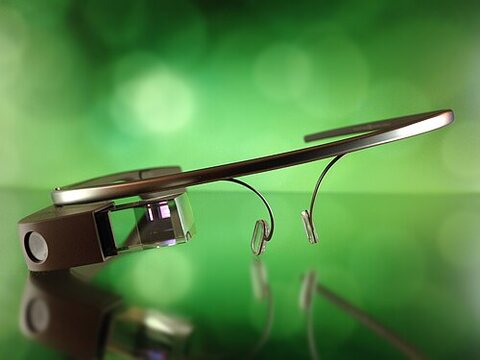 Google Glass
The face computer the public rejected
2013–2023
Google Glass
The face computer the public rejected
2013–2023
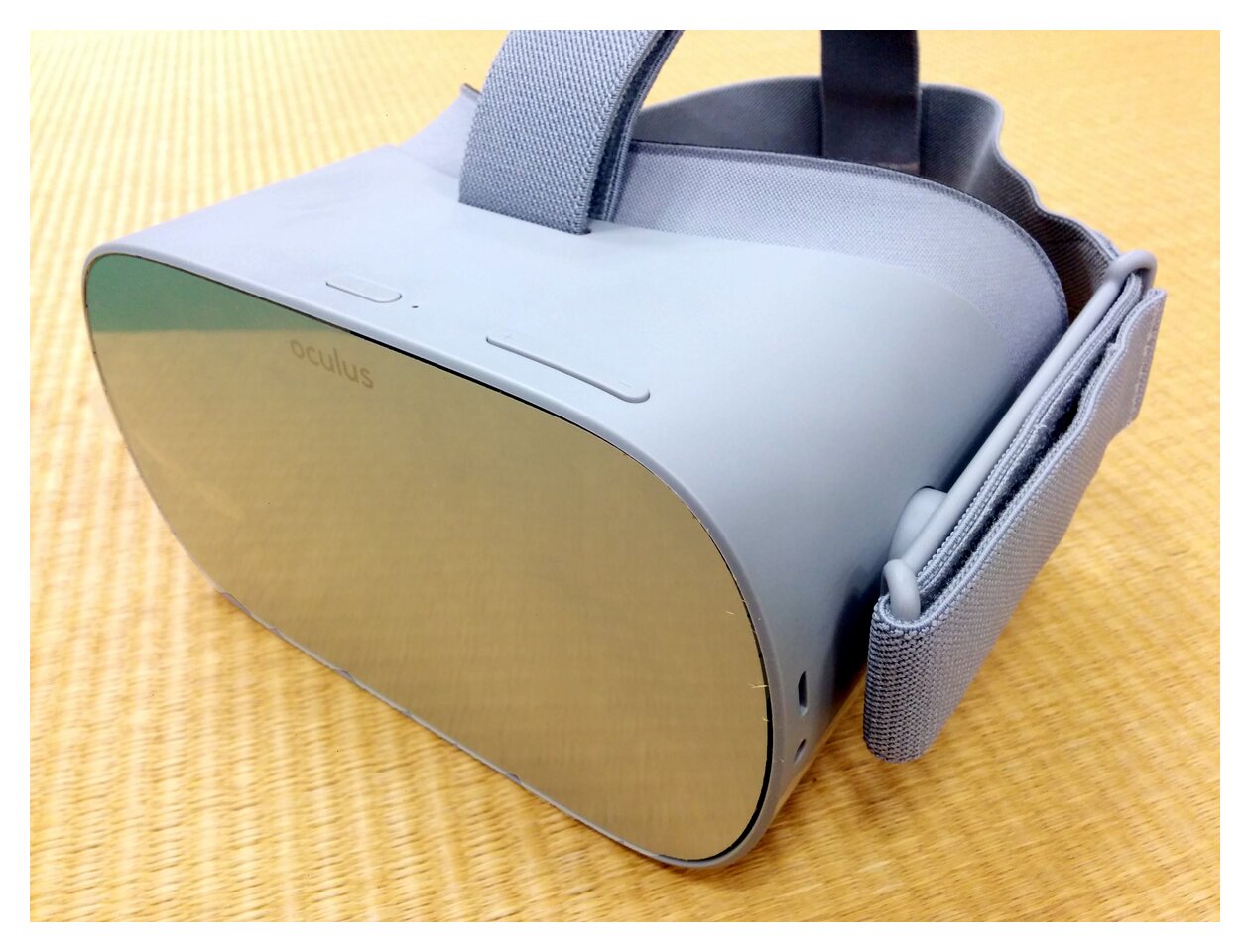 Oculus Go
The $199 standalone headset Facebook dropped two years later for the Quest
2018–2020
Oculus Go
The $199 standalone headset Facebook dropped two years later for the Quest
2018–2020
 Google Cardboard
Virtual reality from a folded box and a phone, ten million viewers, then quietly shelved
2014–2021
Google Cardboard
Virtual reality from a folded box and a phone, ten million viewers, then quietly shelved
2014–2021
 Google Daydream
Google's soft-fabric VR headset for Pixels, dropped after three years
2016–2019
Google Daydream
Google's soft-fabric VR headset for Pixels, dropped after three years
2016–2019
 Windows Media Center
The living-room PC that arrived before streaming
2002–2015
Windows Media Center
The living-room PC that arrived before streaming
2002–2015
 GameSpy
The middleware that ran multiplayer, then took it away
1996–2014
GameSpy
The middleware that ran multiplayer, then took it away
1996–2014
Sources [edit]
- Samsung unveils Gear VR Eurogamer 3 September 2014 [archived]
- New Gear VR redesign doesn't fix what wasn't already broken last year Ars Technica 24 August 2016 [archived]
- Oculus disables Gear VR support for the Galaxy Note 7 The Verge 11 October 2016 [archived]
- Samsung is killing its VR applications now that Gear VR is dead Engadget 15 May 2020 [archived]
- Samsung is Terminating Its VR Video Apps on All Devices Road to VR 15 May 2020 [archived]
Last verified: 15 August 2026. Spotted an error? Suggest an edit (corrections with sources are reviewed and applied).