Google Cardboard
Virtual reality from a folded box and a phone, ten million viewers, then quietly shelved
Google Cardboard was a fold-it-yourself virtual reality viewer, a cardboard box with two lenses that held a smartphone, handed out at Google I/O on 25 June 2014 as a side project by two Paris engineers. It became the most distributed VR device ever, over ten million viewers shipped by 2017 plus millions of branded copies from newspapers and carmakers, and the base of Google's VR ambitions until Daydream. Google open-sourced it in November 2019 and stopped selling it in March 2021.
Timeline [edit]
- 2014
-
25 June 2014
Launch
Handed out at Google I/O
A folded box and two lenses; a $2 billion joke at Oculus's expense.
- 2015
-
28 May 2015
Feature
Expeditions and iOS
Cardboard reaches classrooms and iPhones.
-
7 November 2015
Feature
The New York Times sends a million
NYT VR launches with Cardboard viewers in the Sunday paper.
- 2016
-
27 January 2016
Peak
Five million shipped
Ten million by February 2017, plus 160 million app downloads.
-
18 May 2016
Feature
Daydream is announced
Cardboard becomes the low end of Google's VR plan.
- 2019
-
6 November 2019
Shutdown announced
Open-sourced
Google says it is no longer actively developing Cardboard.
- 2021
-
3 March 2021
Shutdown
Removed from the Google Store
The official viewer is no longer sold.
How it looked [edit]
The site through time
Browse arvr.google.com as it was, via the Internet Archive's Wayback Machine:
Ownership [edit]
Why it shut down [edit]
Official line: On 6 November 2019 Google said it was no longer actively developing the Cardboard software and released it as open source, three weeks after discontinuing Daydream, its more ambitious phone-VR platform. The Google Store stopped selling the official Cardboard viewer on 3 March 2021. Google had moved out of consumer virtual reality altogether.
Our analysis: Cardboard was the cheapest way anyone has ever tried virtual reality, and that was both its genius and its ceiling: a $15 box that gave a hundred million people a two-minute demo and almost nobody a habit. Once phone VR itself stopped being a direction Google believed in, there was nothing left to sell, so it handed the code to the community and left.
History [edit]
A box at I/O
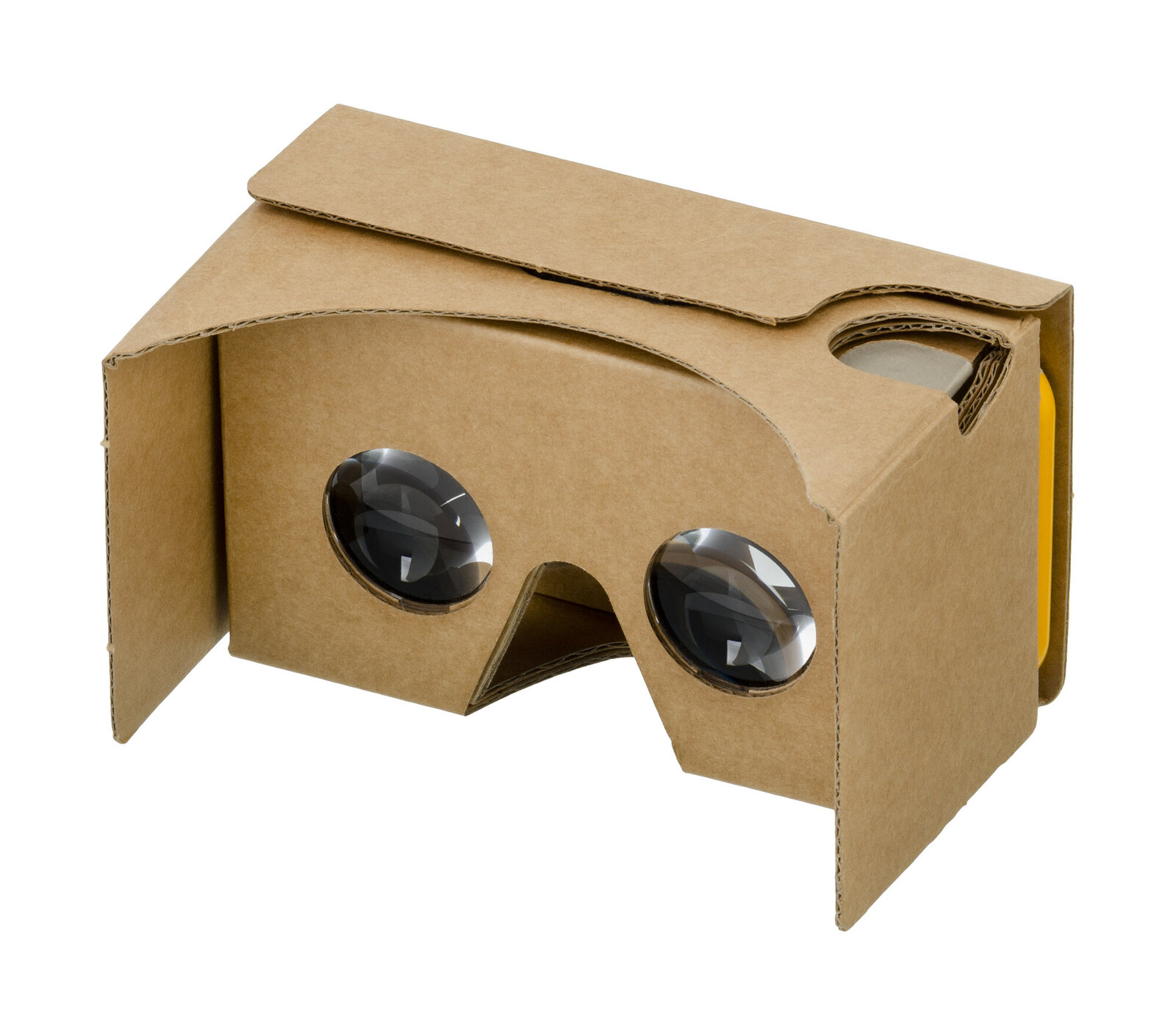
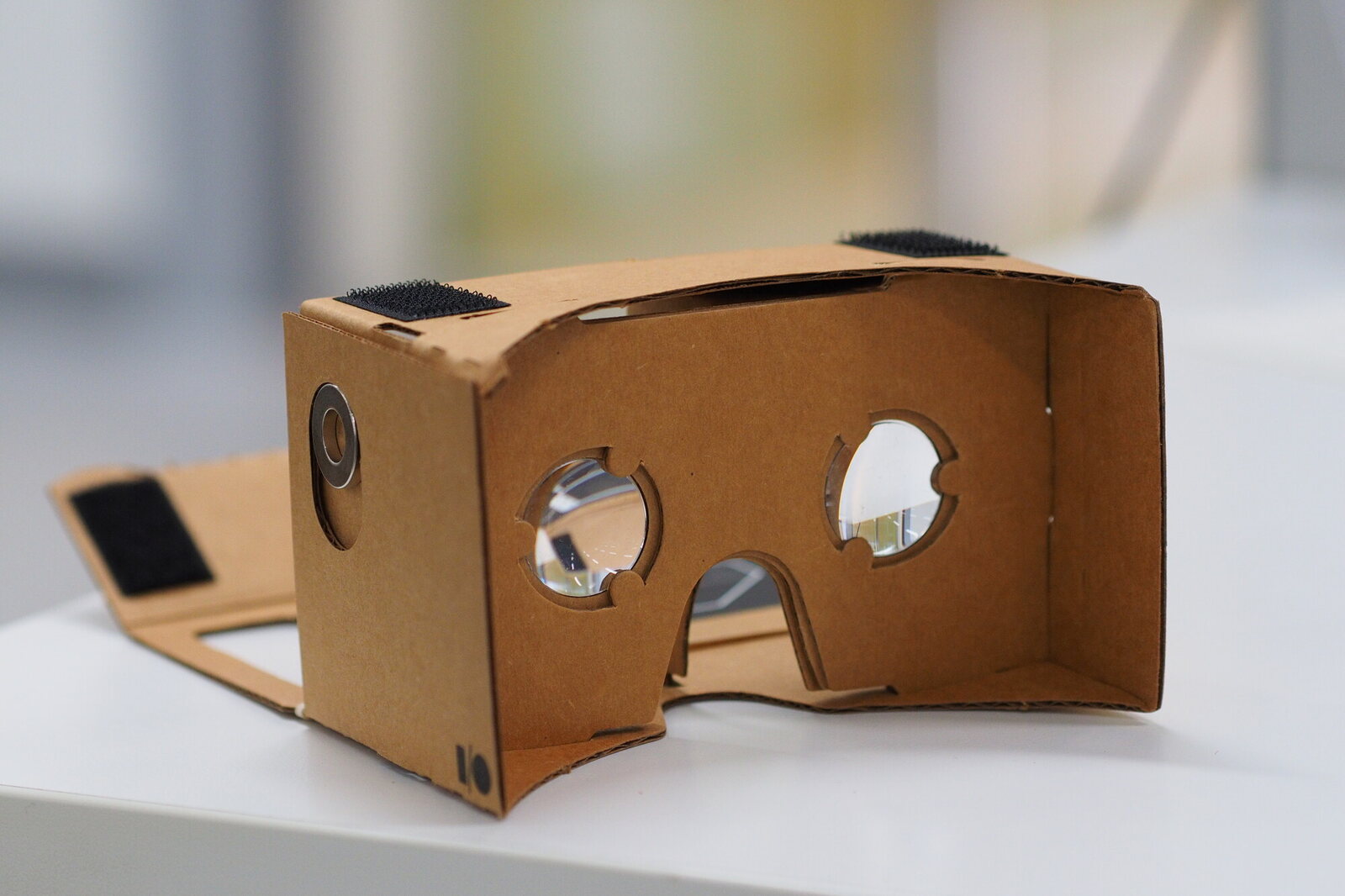
At the end of Google I/O on 25 June 2014, every attendee received a flat piece of cardboard. Folded up, with a pair of plastic lenses and a magnet, it held an Android phone in front of your eyes and, with the right app, turned it into a stereoscopic virtual reality headset. It had been built as a 20 percent project by two engineers at Google's Paris cultural institute, David Coz and Damien Henry, and it was a joke at Facebook's expense, which had paid $2 billion for Oculus that March. The joke worked. The Cardboard app, Street View in VR, and a specification anyone could manufacture spread the design faster than any headset before it.
By January 2016 Google had shipped five million viewers, and by February 2017 ten million, alongside 160 million downloads of Cardboard apps. Newspapers gave them away with weekend editions, the New York Times sent a million to subscribers for its NYT VR launch, Volvo and Coca-Cola printed their own, and Google's Expeditions programme took classrooms on virtual field trips. There was a Star Wars edition. For a couple of years, if a normal person had tried VR, this was how.
Daydream and after
Cardboard was always meant to be a gateway. In May 2016 Google announced Daydream, a proper phone-VR platform with a soft headset and a controller, and Cardboard became the low end of a strategy. When Daydream failed to catch on and was discontinued in October 2019, the strategy went with it. On 6 November 2019 Google announced it was open-sourcing the Cardboard SDK, saying it was "not actively developing" the platform, and thanking the community. The Google Store quietly removed the official viewer on 3 March 2021.
The design lives on in the millions of viewers still in drawers, in the open-source project, and in the fact that a whole generation's first VR memory smells faintly of corrugated card.
The domain today
arvr.google.com/cardboard/ has been redirected to the open-source project's documentation; Google's VR pages now cover its Android XR work instead.
Similar projects
 Google Glass
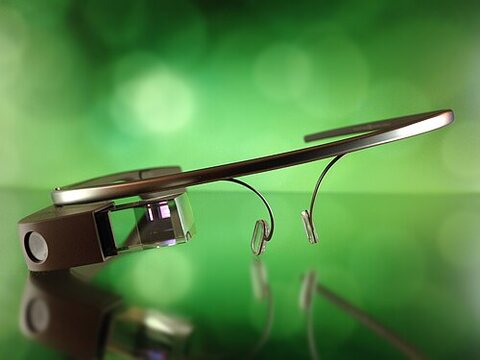
The face computer the public rejected
2013–2023
Google Glass
The face computer the public rejected
2013–2023
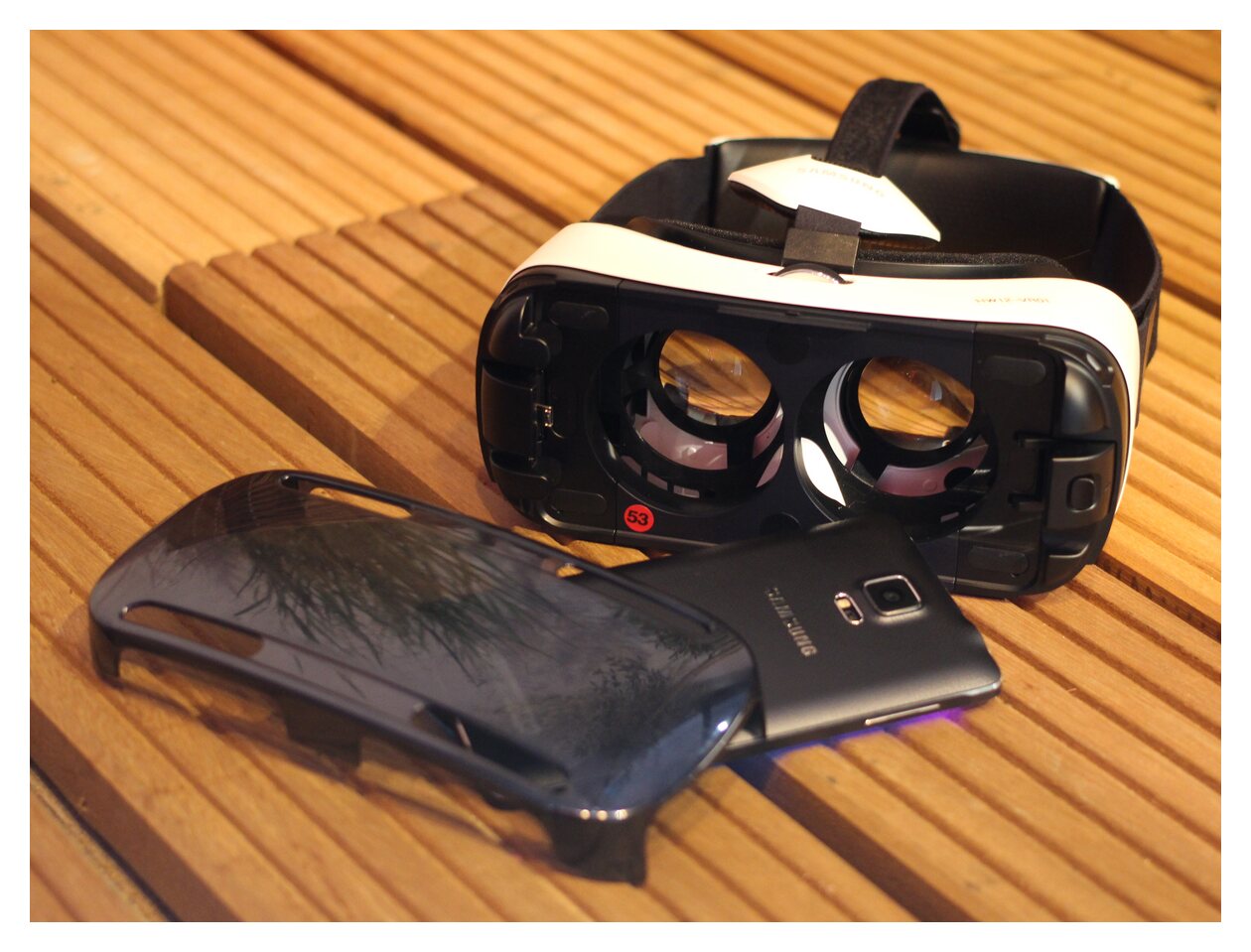 Samsung Gear VR
The Oculus-powered headset you snapped a Galaxy into, retired when standalone VR arrived
2014–2020
Samsung Gear VR
The Oculus-powered headset you snapped a Galaxy into, retired when standalone VR arrived
2014–2020
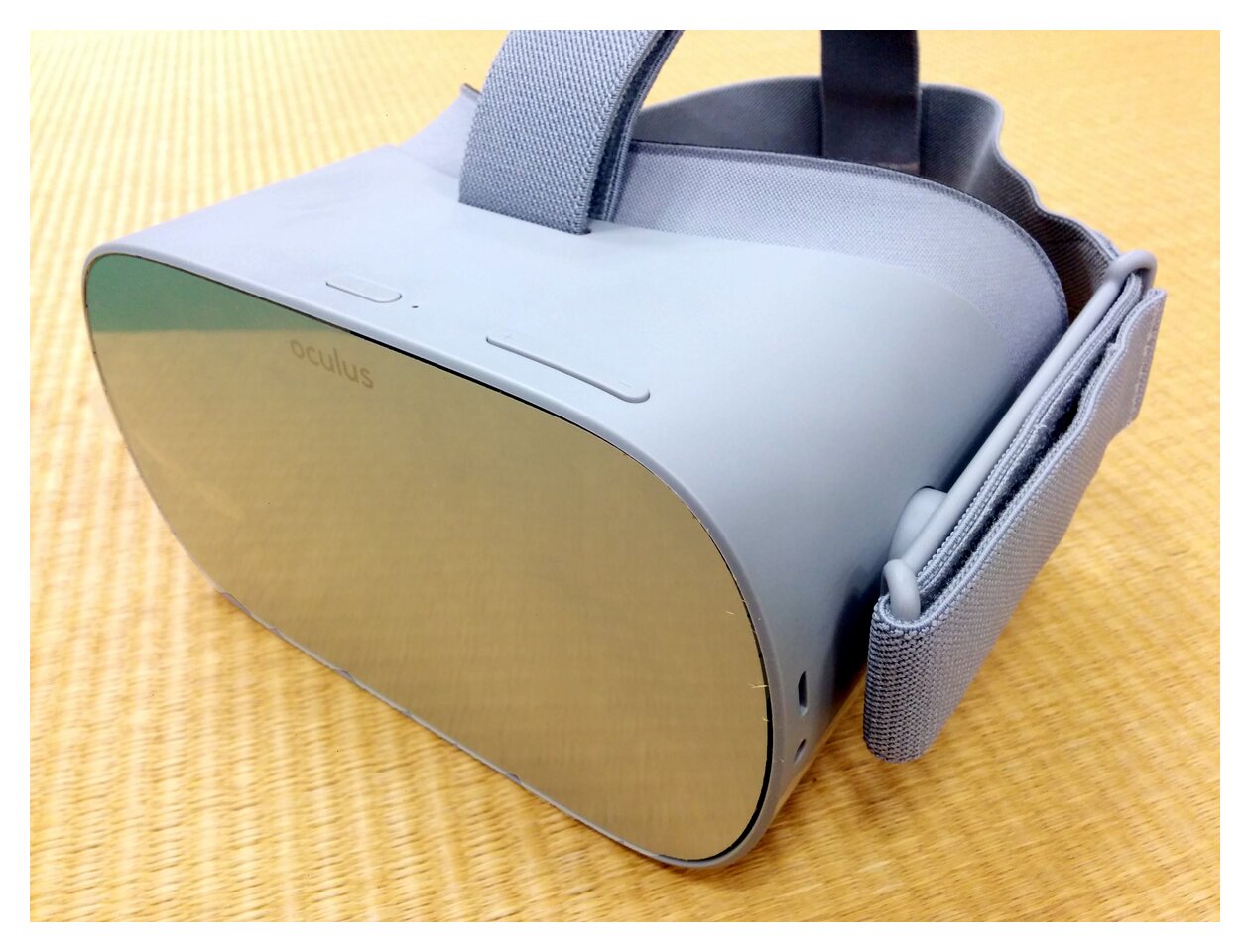 Oculus Go
The $199 standalone headset Facebook dropped two years later for the Quest
2018–2020
Oculus Go
The $199 standalone headset Facebook dropped two years later for the Quest
2018–2020
 Google Daydream
Google's soft-fabric VR headset for Pixels, dropped after three years
2016–2019
Google Daydream
Google's soft-fabric VR headset for Pixels, dropped after three years
2016–2019
 Inbox by Gmail
Google's attempt to replace its own mail app, loved by the people who used it and closed after four and a half years
2014–2019
Inbox by Gmail
Google's attempt to replace its own mail app, loved by the people who used it and closed after four and a half years
2014–2019
 Justin.tv
One man's life stream that became Twitch
2007–2014
Justin.tv
One man's life stream that became Twitch
2007–2014
Sources [edit]
- Google has a new Cardboard headset, and it supports iPhones The Verge 28 May 2015 [archived]
- Google has shipped 5 million Cardboard headsets The Verge 27 January 2016 [archived]
- Open sourcing Google Cardboard Google Developers Blog 6 November 2019 [archived]
- Google is open sourcing Cardboard now that the Daydream is dead The Verge 6 November 2019 [archived]
- Google Store stops selling Cardboard VR headsets 9to5Google 3 March 2021 [archived]
Last verified: 15 August 2026. Spotted an error? Suggest an edit (corrections with sources are reviewed and applied).