
BlackBerry OS
The keyboard that ran the world
BlackBerry OS powered the devices that invented mobile email, from the 1999 two-way pager to the phones that ran Wall Street and the White House, peaking near 20% of global smartphone sales in 2009. The iPhone and Android unmade it, and on 4 January 2022 BlackBerry switched off the legacy services, bricking the classics for good.
Timeline [edit]
- 1999
-
19 January 1999
Launch
BlackBerry 850 ships
Two-way paging and push email start the dynasty.
- 2003
-
2003
Version
The phone era begins
BlackBerry devices add voice; the 6210 defines the form factor.
- 2005
-
August 2005
Feature
BBM launches
BlackBerry Messenger becomes the original ticked-message obsession.
- 2007
-
29 June 2007
Incident
The iPhone launches
RIM leadership publicly doubts a keyboardless phone.
- 2009
-
2009
Peak
About 20% of global smartphone sales
Obama keeps his BlackBerry; the brand peaks culturally and commercially.
- 2013
-
30 January 2013
Version
BlackBerry 10 arrives
The modern rewrite lands years too late.
- 2015
-
25 September 2015
Decline
The Priv ships with Android
BlackBerry concedes the OS war by adopting the enemy.
- 2020
-
September 2020
Shutdown announced
End of legacy services announced
January 2022 set as the cutoff.
- 2022
-
4 January 2022
Shutdown
Legacy services decommissioned
Classic BlackBerrys lose calls, texts, data and 911.
How it looked [edit]
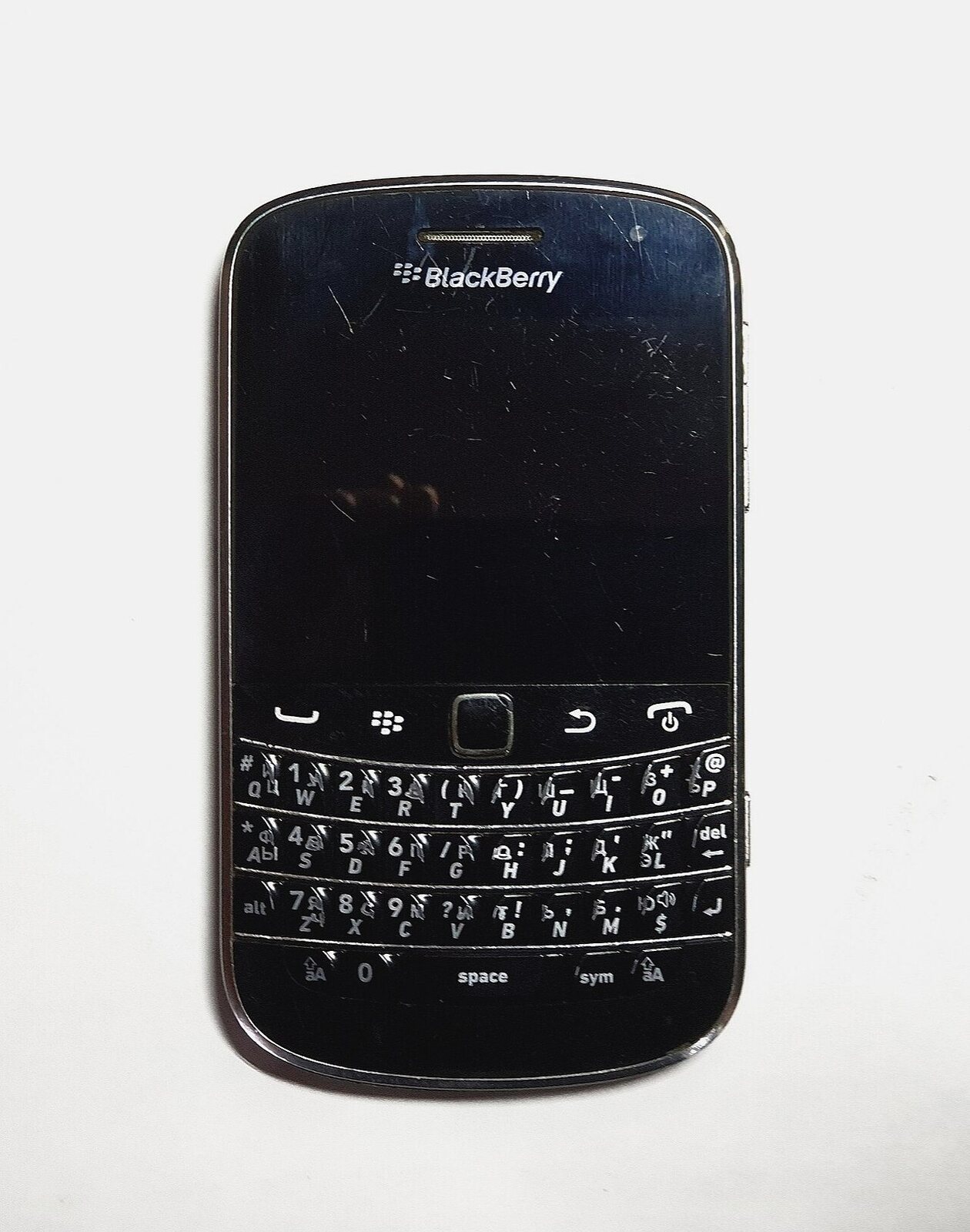
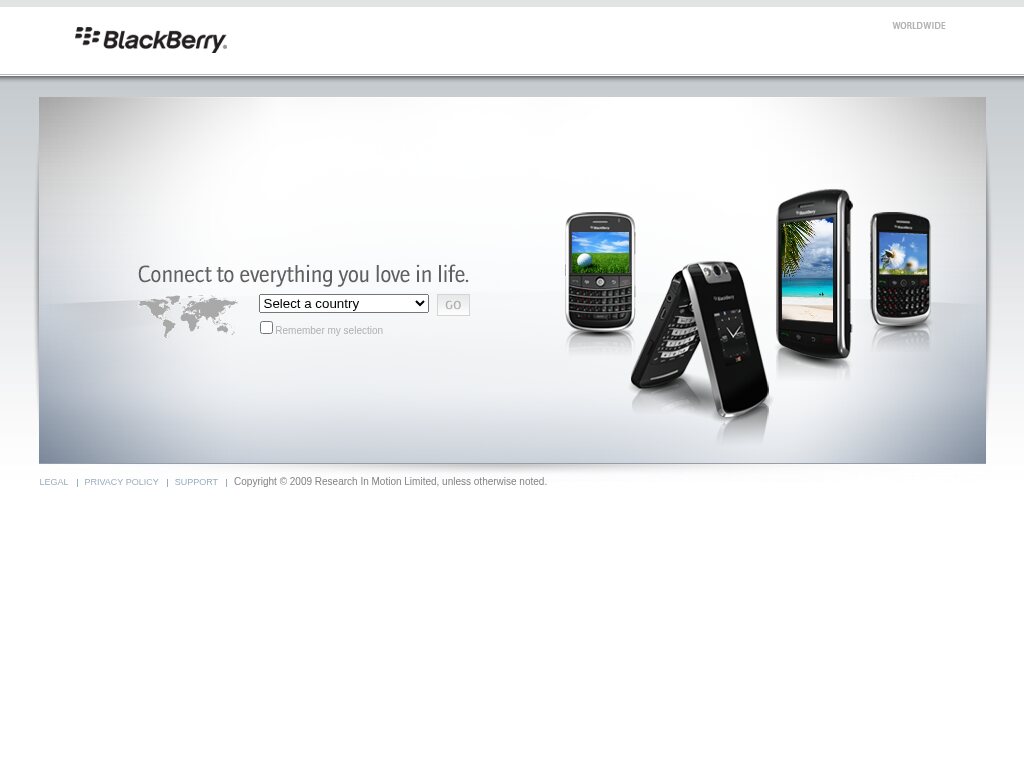
The site through time
Browse blackberry.com as it was, via the Internet Archive's Wayback Machine:
Ownership [edit]
Key figures [edit]
| Metric | Value | As of | Confidence |
|---|---|---|---|
| Market share (%) ▲ | 20% | 2009 | Reported Approximate global smartphone sales share at peak |
Confirmed official figures · Reported media, cites a source · Estimated analyst or our estimate
Why it shut down [edit]
Official line: BlackBerry decommissioned the legacy services behind BlackBerry OS and BlackBerry 10 on 4 January 2022; classic devices lost calling, texting, data and even 911 capability.
Our analysis: BlackBerry owned mobile email and assumed keyboards and IT departments would keep it safe from a phone without either. The iPhone moved the buying decision from CIOs to users, Android took the rest, and BB10 arrived years too late to matter.
History [edit]
The CrackBerry decade
Research In Motion of Waterloo, Ontario shipped the BlackBerry 850 in January 1999: a two-way pager that did email anywhere, on a battery that lasted forever, with a tiny thumb keyboard. It evolved into the smartphone that defined professional life in the 2000s. Push email through RIM's own network operations centre, BBM's instant messaging with delivery ticks, and security certifications no rival matched made it the device of Wall Street, law firms and governments; Barack Obama famously refused to give his up in 2009.
At its peak BlackBerry commanded roughly a fifth of global smartphone sales and tens of millions of devoted users who typed by feel. "CrackBerry" was the 2006 word of the year in Canada.
The touchscreen guillotine
RIM's leadership publicly dismissed the 2007 iPhone: no keyboard, terrible battery, corporate IT would never allow it. Every part of that analysis proved fatal. Consumers, not IT departments, now chose phones; app ecosystems became the battleground; the rushed touchscreen Storm flopped. The modern QNX-based BlackBerry 10 finally arrived in 2013, years late, and the company conceded in 2015 by shipping Android on its own hardware. In September 2020 BlackBerry announced the end: on 4 January 2022 the legacy infrastructure was decommissioned, and BlackBerry OS devices worldwide lost calls, texts, data and emergency dialling, one of the most absolute deaths any platform has had.
Similar projects
 Windows Phone
The tiles nobody wrote apps for
2010–2019
Windows Phone
The tiles nobody wrote apps for
2010–2019
 Windows RT
Windows for ARM tablets that could not run Windows programs
2012–2023
Windows RT
Windows for ARM tablets that could not run Windows programs
2012–2023
 Symbian
Ran most of the world's smartphones, then burned with the platform
1998–2014
Symbian
Ran most of the world's smartphones, then burned with the platform
1998–2014
 Palm OS
The organiser in your pocket that taught phones to be computers
1996–2009
Palm OS
The organiser in your pocket that taught phones to be computers
1996–2009
 Windows Mobile
A tiny Windows with a Start button, reset to zero by its own maker
2000–2012
Windows Mobile
A tiny Windows with a Start button, reset to zero by its own maker
2000–2012
 BlackBerry 10
The reboot that arrived in 2013 and was switched off in 2022
2013–2022
BlackBerry 10
The reboot that arrived in 2013 and was switched off in 2022
2013–2022
Sources [edit]
- BlackBerry end of life: legacy services BlackBerry 9 September 2020 [archived]
- Classic BlackBerry devices will stop working on Jan. 4 NPR 3 January 2022 [archived]
Last verified: 11 August 2026. Spotted an error? Suggest an edit (corrections with sources are reviewed and applied).