
Symbian
Ran most of the world's smartphones, then burned with the platform
Symbian was the operating system inside Nokia, Ericsson and Motorola smartphones for a decade, and at its peak it ran roughly two out of three smartphones sold on Earth. Built from Psion's organiser software in 1998, it was overtaken by Android in 2010, publicly abandoned by Nokia in the "burning platform" memo era of 2011, and frozen for good on 1 January 2014.
Timeline [edit]
- 1998
-
24 June 1998
Launch
Symbian Ltd. is formed
Psion's EPOC plus the money of Nokia, Ericsson and Motorola.
- 2000
-
November 2000
Launch
The Ericsson R380 ships
The first phone sold as a smartphone runs Symbian.
- 2007
-
29 June 2007
Decline
The iPhone arrives
Symbian's keypad-era architecture meets a touchscreen it cannot answer.
- 2008
-
2 December 2008
Acquisition
Nokia buys out the consortium
Roughly $410 million for full control, followed by open-sourcing.
- 2011
-
31 January 2011
Decline
Android passes Symbian
Canalys reports the crossover in Q4 2010 shipments.
-
11 February 2011
Shutdown announced
Nokia jumps to Windows Phone
Three days after the "burning platform" memo leaks.
- 2012
-
27 February 2012
Version
The Nokia 808 PureView
A 41 megapixel camera on a dead operating system. The last Symbian phone.
- 2014
-
1 January 2014
Shutdown
The store freezes
Nokia stops accepting new or updated Symbian apps.
How it looked [edit]

The site through time
Read the old front page here, in one piece, from our own capture: symbian.com, 2 June 2005 →
Browse symbian.com as it was, via the Internet Archive's Wayback Machine:
Ownership [edit]
Why it shut down [edit]
Official line: Symbian was built for keypad phones with tiny memory, and could not be reworked fast enough for the touchscreen era the iPhone opened in 2007. Android passed it in shipments in the fourth quarter of 2010, and on 11 February 2011 Nokia announced it was switching to Windows Phone. On 1 January 2014 Nokia froze Symbian app updates in its store.
Our analysis: Symbian did everything right for the world of 2003: it sipped battery, ran on cheap hardware and shipped on hundreds of models. Those same engineering choices made modern touch interfaces and easy app development nearly impossible, and the companies that owned it spent the critical years fighting each other over its direction instead of fixing it.
History [edit]
Built from a pocket organiser
Symbian Ltd. was formed in London on 24 June 1998 as a consortium: Psion contributed EPOC, the operating system from its handheld organisers, and Nokia, Ericsson and Motorola contributed money and the promise to ship it. The idea was explicitly defensive. The phone makers had watched Microsoft take the PC industry's profits and did not want Windows doing the same to phones.
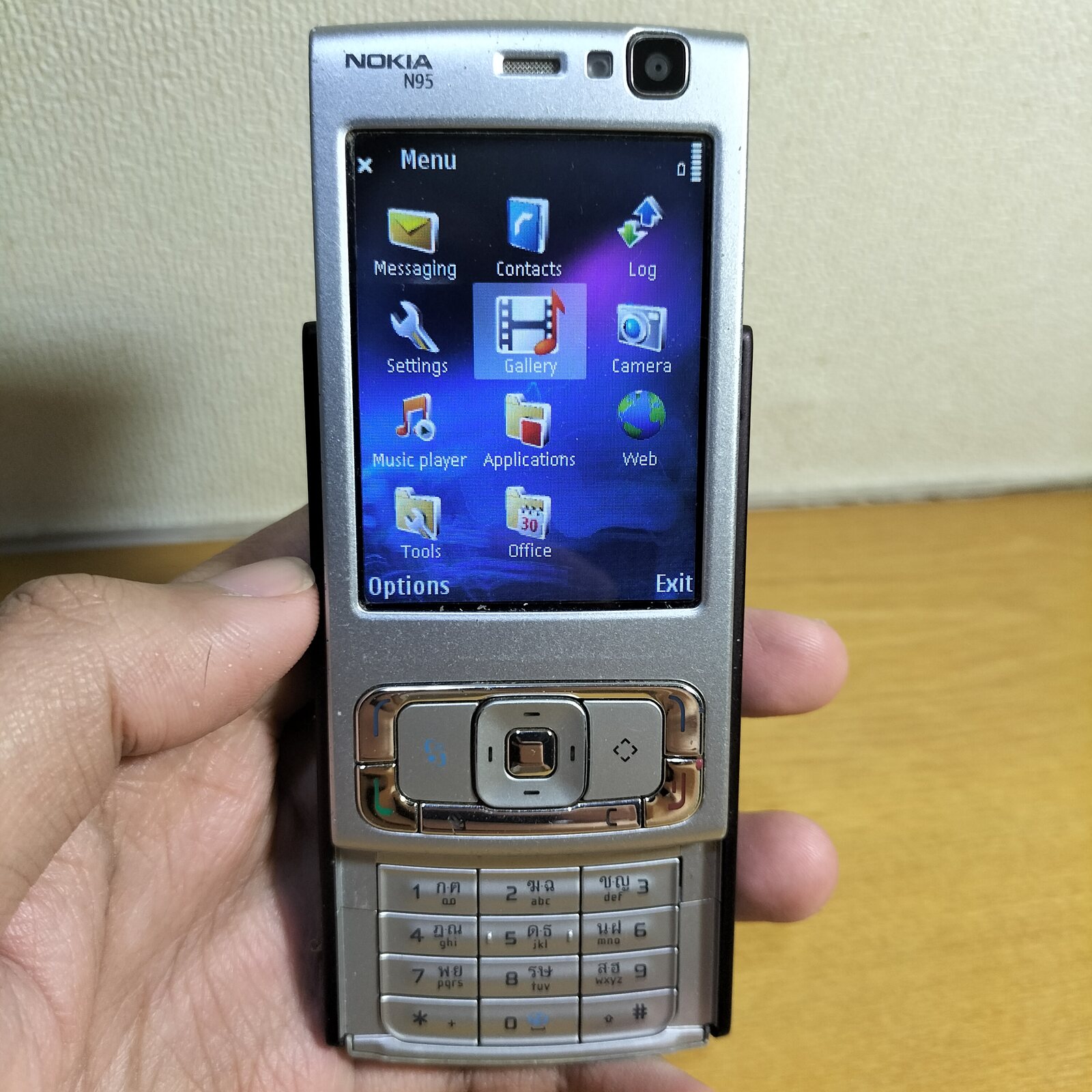
It worked for a long time. The Ericsson R380 shipped in November 2000 as the first phone marketed as a smartphone, and Nokia built its entire smart lineup on Symbian, from the 7650 to the N95. Through the middle of the 2000s Symbian's share of the smartphone market was in the sixties of percent. Nothing else was close.
What it could not do
Symbian was engineered for devices with almost no memory or battery, and it showed in everything developers touched: a C++ dialect with its own string types, six-monthly SDK breakages, and an interface layer, S60, driven by keypads. When the iPhone arrived in June 2007, and Android eighteen months later, both were built the other way around: wasteful with hardware, generous with developers.
The consortium structure made the response slower. Every owner had a veto and its own interface layer, and by the time Nokia bought out the other shareholders in December 2008 for roughly $410 million and open-sourced the code through the Symbian Foundation, the app economy had already moved.
Canalys measured the crossover in the fourth quarter of 2010: Android shipped on more phones than Symbian. It had taken Android two years to do what Windows Mobile could not do in ten.
The burning platform
On 8 February 2011 a memo from Nokia's new chief executive Stephen Elop leaked, comparing Nokia to a man standing on a burning oil platform who has to jump. Three days later Nokia announced it was adopting Windows Phone. Symbian was reframed overnight as a "franchise platform" to be milked while it declined, and development was outsourced to Accenture.
The last Symbian phone was also its strangest flex: the Nokia 808 PureView of 2012, with a 41 megapixel camera years ahead of the market, running an operating system that was already dead. Nokia confirmed in January 2013 that it was the end of the line, and on 1 January 2014 the Nokia Store stopped accepting new or updated Symbian apps.
Hundreds of millions of Symbian devices had shipped by then. Almost nothing of the code survives in products today. The lesson did: every phone maker now treats the operating system as the product, not a part to be procured.
Similar projects
 BlackBerry OS
The keyboard that ran the world
1999–2022
BlackBerry OS
The keyboard that ran the world
1999–2022
 Windows Phone
The tiles nobody wrote apps for
2010–2019
Windows Phone
The tiles nobody wrote apps for
2010–2019
 Windows RT
Windows for ARM tablets that could not run Windows programs
2012–2023
Windows RT
Windows for ARM tablets that could not run Windows programs
2012–2023
 Windows Mobile
A tiny Windows with a Start button, reset to zero by its own maker
2000–2012
Windows Mobile
A tiny Windows with a Start button, reset to zero by its own maker
2000–2012
 Palm OS
The organiser in your pocket that taught phones to be computers
1996–2009
Palm OS
The organiser in your pocket that taught phones to be computers
1996–2009
 BlackBerry 10
The reboot that arrived in 2013 and was switched off in 2022
2013–2022
BlackBerry 10
The reboot that arrived in 2013 and was switched off in 2022
2013–2022
Sources [edit]
- Nokia CEO Stephen Elop's "burning platform" memo Engadget 8 February 2011 [archived]
- Android overtakes Symbian as world's best-selling smartphone platform Engadget 31 January 2011 [archived]
- Nokia confirms the 808 PureView was the last Symbian phone TechCrunch 24 January 2013 [archived]
- Nokia store freezes Symbian app updates ZDNet 2 January 2014 [archived]
Last verified: 14 August 2026. Spotted an error? Suggest an edit (corrections with sources are reviewed and applied).