Sega Dreamcast
The console that killed its own company
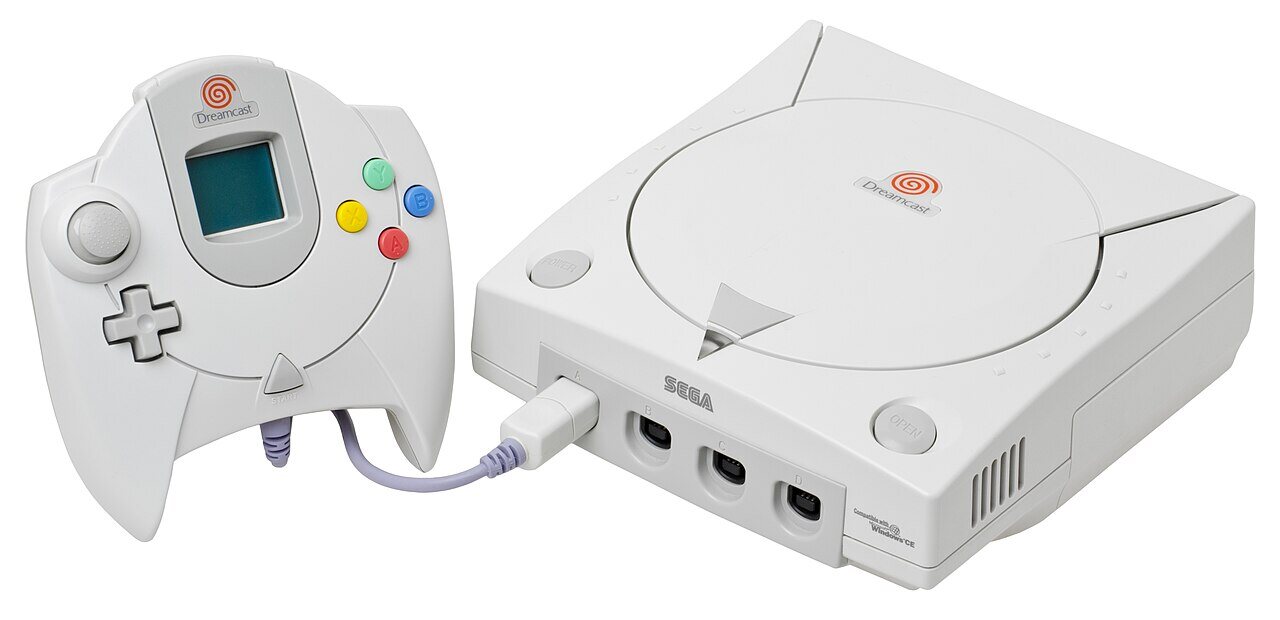
The Dreamcast was Sega's last console, launched in Japan in November 1998 with built-in online play years before rivals. The PlayStation 2 crushed it commercially, and on 31 January 2001 Sega discontinued it and left the hardware business forever after selling about 9.13 million units.
Timeline [edit]
- 1998
-
27 November 1998
Launch
Dreamcast launches in Japan
Sega's comeback machine arrives with a built-in modem.
- 1999
-
9 September 1999
Launch
US launch on 9/9/99
$132 million in sales in 24 hours, a record at the time.
- 2000
-
4 March 2000
Decline
The PlayStation 2 launches in Japan
A built-in DVD player and Sony's momentum stall Dreamcast sales.
-
November 2000
Peak
Phantasy Star Online era
Console online gaming arrives years before Xbox Live.
- 2001
-
31 January 2001
Shutdown announced
Sega quits hardware
Discontinuation announced along with the exit from console manufacturing.
-
31 March 2001
Shutdown
Production ends
About 9.13 million units sold; Sega becomes a publisher.
How it looked [edit]
The site through time
Read the old front page here, in one piece, from our own capture: sega.com, 20 May 2000 →
Browse sega.com as it was, via the Internet Archive's Wayback Machine:
Ownership [edit]
Key figures [edit]
| Metric | Value | As of | Confidence |
|---|---|---|---|
| Downloads ▲ | 9.1 million | 31 March 2001 | Reported Lifetime units sold worldwide |
Confirmed official figures · Reported media, cites a source · Estimated analyst or our estimate
Why it shut down [edit]
Official line: Sega announced on 31 January 2001 that it would discontinue Dreamcast production and exit console hardware entirely, becoming a third-party publisher; production ended that March.
Our analysis: The Dreamcast was ahead of its time and out of time. It launched with a built-in modem and online play in 1999, then met the PlayStation 2, which arrived with DVD playback, brand momentum and a decade of goodwill Sega had squandered with the Saturn and 32X. Price cuts turned every sale into a loss.
History [edit]
9/9/99
The Dreamcast reached Japan on 27 November 1998 and the United States on 9 September 1999, a date Sega turned into a marketing event: $132 million in sales in the first 24 hours, a record at the time. The machine deserved it. Arcade-quality ports of Soulcalibur and Crazy Taxi, the genre-inventing weirdness of Shenmue and Jet Set Radio, the VMU memory card with its own tiny screen, and, remarkably, a 56k modem in every unit, making Phantasy Star Online the first console online RPG most people ever played.
Sega desperately needed it to work. The Saturn had failed, the 32X had been an embarrassment, and the company's credibility with both players and publishers was thin.
Beaten by a DVD player
Sony announced the PlayStation 2 with specifications that dwarfed the Dreamcast on paper and, decisively, a built-in DVD player at a time when standalone DVD players cost more than the console. Consumers waited. Publishers, notably Electronic Arts, refused to support the Dreamcast. Sega cut prices to $99, losing money on every unit, and the losses became existential.
On 31 January 2001, Sega announced it was discontinuing the Dreamcast and leaving console manufacturing altogether. Production stopped that March at about 9.13 million units sold. Sega survived as a publisher, putting Sonic on Nintendo hardware within a year, and the Dreamcast survived as the most beloved commercial failure in gaming: an unusually long tail of homebrew and indie releases continues on it to this day.
Similar projects
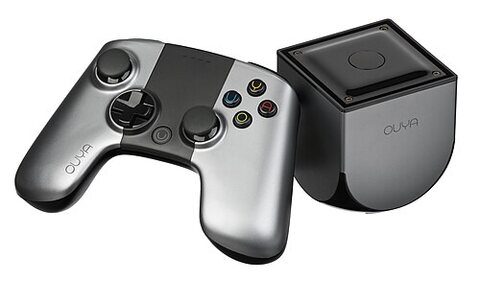 Ouya
The $99 console Kickstarter wanted to exist
2013–2019
Ouya
The $99 console Kickstarter wanted to exist
2013–2019
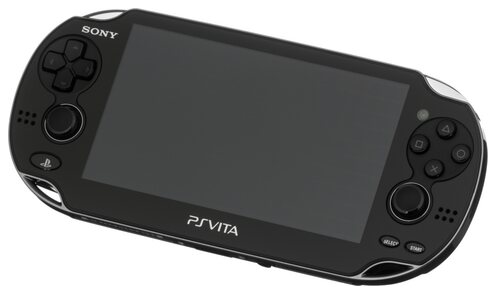 PlayStation Vita
The best handheld nobody supported
2011–2019
PlayStation Vita
The best handheld nobody supported
2011–2019
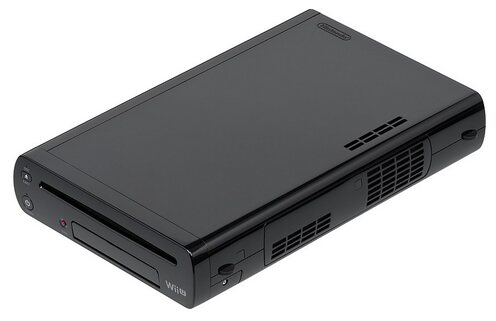 Wii U
13.5 million sold, and the ideas all survived it
2012–2024
Wii U
13.5 million sold, and the ideas all survived it
2012–2024
 PlayStation Portable
Sony's first handheld, 80 million sold, the UMD disc, the PSP Go that nobody bought, and a store that closed twice
2004–2014
PlayStation Portable
Sony's first handheld, 80 million sold, the UMD disc, the PSP Go that nobody bought, and a store that closed twice
2004–2014
 Game Gear
Sega's colour handheld, better than the Game Boy on paper and out of batteries in three hours
1990–1997
Game Gear
Sega's colour handheld, better than the Game Boy on paper and out of batteries in three hours
1990–1997
 Sega CD
The CD-ROM drive that bolted onto the Genesis, full-motion video, Night Trap and 2.24 million sold
1991–1996
Sega CD
The CD-ROM drive that bolted onto the Genesis, full-motion video, Night Trap and 2.24 million sold
1991–1996
Sources [edit]
- Sega to Halt Dreamcast Production ABC News 31 January 2001
- Sega Dreamcast: release date, specs and history Video Game Console Library [archived]
Last verified: 11 August 2026. Spotted an error? Suggest an edit (corrections with sources are reviewed and applied).