
Sega Saturn
Sega's 32-bit console, launched early by surprise, undercut by PlayStation and abandoned in America after three years
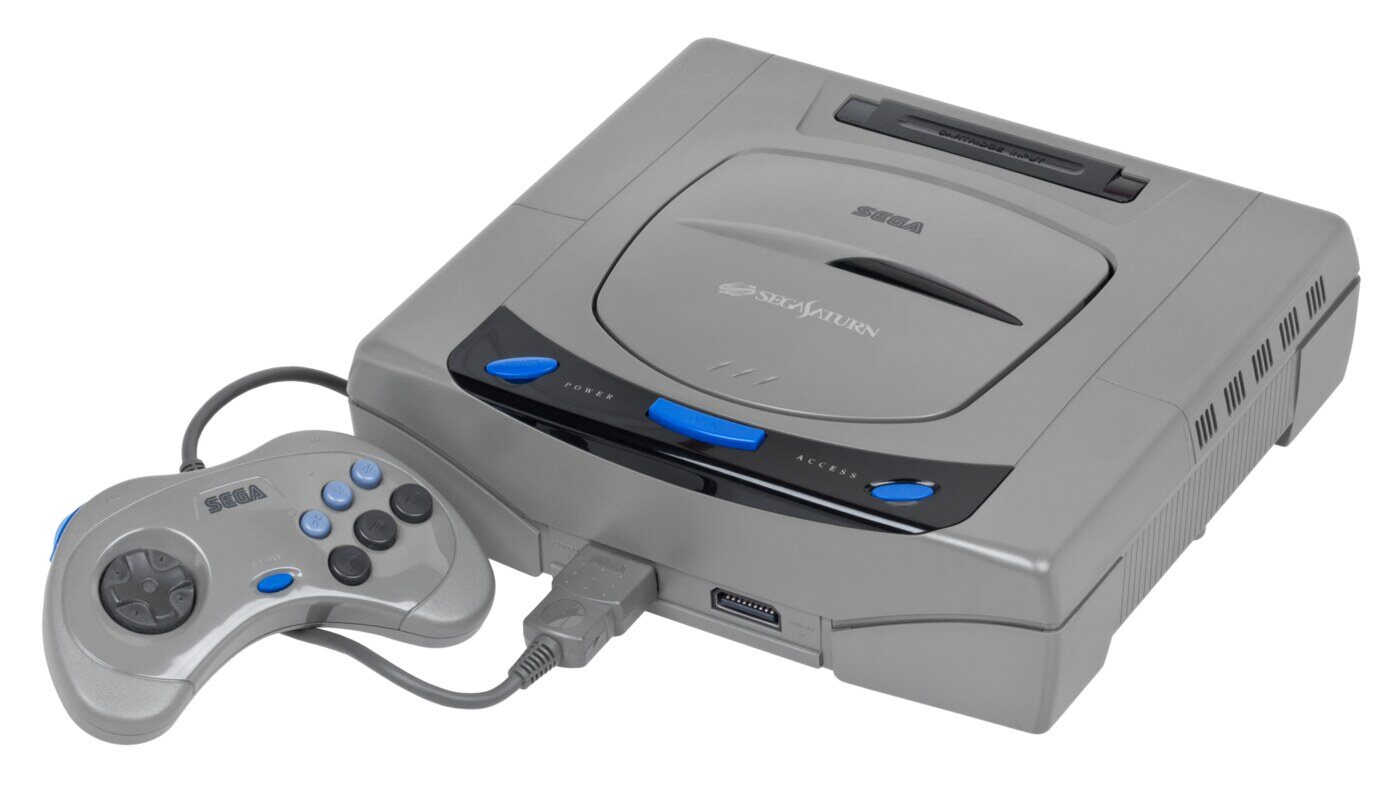
The Sega Saturn was Sega's 32-bit, CD-based console, launched in Japan on 22 November 1994 and in North America by surprise on 11 May 1995 at $399. It sold well in Japan on Virtua Fighter 2 and its RPGs but was beaten badly by the PlayStation in the West, where Sega withdrew it in 1998 to make way for the Dreamcast. About 9.26 million were sold worldwide; the last official game shipped in Japan on 7 December 2000.
Timeline [edit]
- 1994
-
22 November 1994
Launch
Launch in Japan
Virtua Fighter; 500,000 sold in a month.
- 1995
-
11 May 1995
Launch
Surprise launch in North America
Announced at E3 as available that day, $399. Sony answers "$299".
-
8 July 1995
Launch
Launch in Europe
- 1996
-
16 May 1996
other
Price cut to $199
Matching the PlayStation.
- 1997
-
19 June 1997
Decline
"Saturn is not our future"
Bernie Stolar at E3 1997; Western sales collapse.
- 1998
-
13 March 1998
Shutdown announced
Withdrawn from the US market
Sega turns to the Dreamcast.
-
27 November 1998
other
Dreamcast launches in Japan
The successor.
- 2000
-
7 December 2000
Shutdown
Last licensed game in Japan
About 9.26 million sold worldwide.
How it looked [edit]
The site through time
Browse sega.com as it was, via the Internet Archive's Wayback Machine:
Ownership [edit]
Key figures [edit]
| Metric | Value | As of | Confidence |
|---|---|---|---|
| Downloads ▲ | 9.3 million | 2000 | Reported Lifetime hardware sales worldwide, about 5.75 million of them in Japan |
Confirmed official figures · Reported media, cites a source · Estimated analyst or our estimate
Why it shut down [edit]
Official line: Sega of America stopped supporting the Saturn in 1998, having signalled at E3 in June 1997 that "Saturn is not our future"; the New York Times reported the US withdrawal in March 1998 as Sega prepared the Dreamcast. In Japan, where the console had done far better, games kept coming until the last licensed release on 7 December 2000. Worldwide sales were about 9.26 million against more than 100 million for the PlayStation.
Our analysis: The Saturn lost the 32-bit generation on a handful of decisions. Its twin-processor design was hard to program and bad at the 3D that the PlayStation made easy; its surprise US launch at E3 1995, four months early at $399, angered retailers and left it with almost no games, and Sony answered from the same stage with a single word, "$299". Sega then had no Sonic to sell it with. In Japan Virtua Fighter and a strong RPG library gave it a real life; in America it never recovered from its first summer.
History [edit]
Two processors and a surprise
Sega designed the Saturn around two Hitachi SH-2 processors and two video chips, a machine built for 2D arcade conversions that was retooled late for 3D when Sony showed what the PlayStation could do. It launched in Japan on 22 November 1994 with Virtua Fighter and sold half a million in a month, ahead of the PlayStation, which arrived on 3 December.
The American launch was the disaster. At the first E3, on 11 May 1995, Sega of America boss Tom Kalinske announced that the Saturn was in shops that day, four months before its announced date, at $399, but only at four chains; retailers left out, including KB Toys, refused to stock it, and there were six games. Sony's Steve Race followed him on stage, said "$299", and sat down. The PlayStation launched in September and outsold the Saturn from then on. Europe got the Saturn on 8 July 1995.
Sega cut the price to $199 in 1996 and had good games, Nights into Dreams, Panzer Dragoon Saga, Virtua Fighter 2, Sega Rally, Guardian Heroes, but Sonic X-treme was cancelled and there was never a system seller. In Japan the console did well enough, some 5.75 million, to keep a Japanese library going for years.
"Not our future"
Bernie Stolar, who had come from Sony to run Sega of America, told the press at E3 in June 1997 that "Saturn is not our future"; sales in the West collapsed within months and third parties left. In March 1998 Sega pulled the console from the American market and the company turned to the Dreamcast, which launched in Japan on 27 November 1998. Japanese support wound down through 1999 and 2000; the last licensed release, a MediaWorks visual novel collection, appeared on 7 December 2000. Total sales were about 9.26 million.
The domain today
sega.com is Sega's corporate site and sells Saturn games only as re-releases on newer platforms.
Similar projects
 Ouya
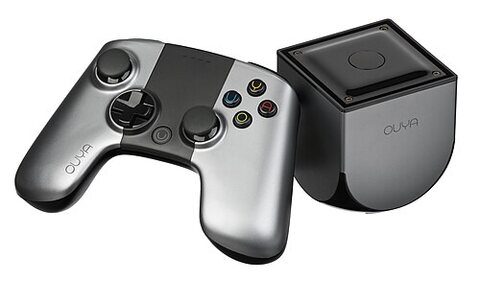
The $99 console Kickstarter wanted to exist
2013–2019
Ouya
The $99 console Kickstarter wanted to exist
2013–2019
 PlayStation Vita
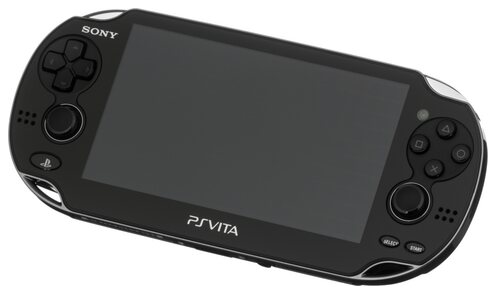
The best handheld nobody supported
2011–2019
PlayStation Vita
The best handheld nobody supported
2011–2019
 Sega Dreamcast
The console that killed its own company
1998–2001
Sega Dreamcast
The console that killed its own company
1998–2001
 Wii U
13.5 million sold, and the ideas all survived it
2012–2024
Wii U
13.5 million sold, and the ideas all survived it
2012–2024
 PlayStation Portable
Sony's first handheld, 80 million sold, the UMD disc, the PSP Go that nobody bought, and a store that closed twice
2004–2014
PlayStation Portable
Sony's first handheld, 80 million sold, the UMD disc, the PSP Go that nobody bought, and a store that closed twice
2004–2014
 Game Gear
Sega's colour handheld, better than the Game Boy on paper and out of batteries in three hours
1990–1997
Game Gear
Sega's colour handheld, better than the Game Boy on paper and out of batteries in three hours
1990–1997
Sources [edit]
- Sega Saturn: how one decision destroyed PlayStation's greatest rival The Guardian 14 May 2015
- How Virtua Fighter saved PlayStation's bacon Wired 5 September 2012 [archived]
- How a series of bad decisions led to the Sega Saturn failure Game Informer 3 July 2017 [archived]
- Sega Enterprises pulls its Saturn video console from U.S. market The New York Times 14 March 1998
- IGN presents the history of Sega IGN 21 April 2009 [archived]
- The rise and fall of Sega Enterprises Eurogamer 22 February 2012 [archived]
- Sega Saturn release date, specs and history Video Game Console Library 6 March 2026
Last verified: 16 August 2026. Spotted an error? Suggest an edit (corrections with sources are reviewed and applied).