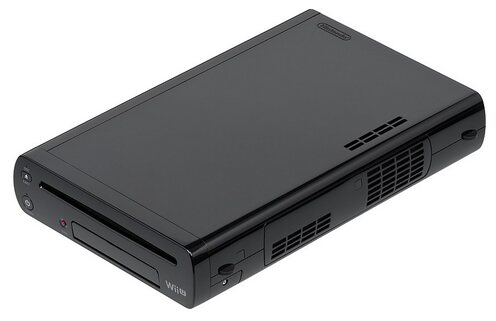
Wii U
13.5 million sold, and the ideas all survived it
The Wii U put a screen in the controller four years before the Switch made that idea work. It was Nintendo's first high definition console and its worst-selling one: 13.5 million against the Wii's 101 million. Production ended in 2017, and its online services were finally switched off in April 2024.
Timeline [edit]
- 2011
-
7 June 2011
Launch
Unveiled at E3 as Project Cafe
The tablet controller is shown before the console has a final name.
- 2012
-
18 November 2012
Launch
The Wii U goes on sale
The first eighth-generation console, a year ahead of its rivals.
- 2013
-
31 July 2013
Decline
Third-party publishers walk away
Sales stall once the PlayStation 4 and Xbox One are announced.
- 2017
-
31 January 2017
Shutdown announced
Production ends
13.5 million sold, against 101 million for the Wii.
-
3 March 2017
Revival
The Switch launches
Built from the same idea, it outsells the Wii U roughly tenfold.
- 2024
-
8 April 2024
Shutdown
Online services are switched off
Online play ends for the Wii U and the 3DS together.
How it looked [edit]
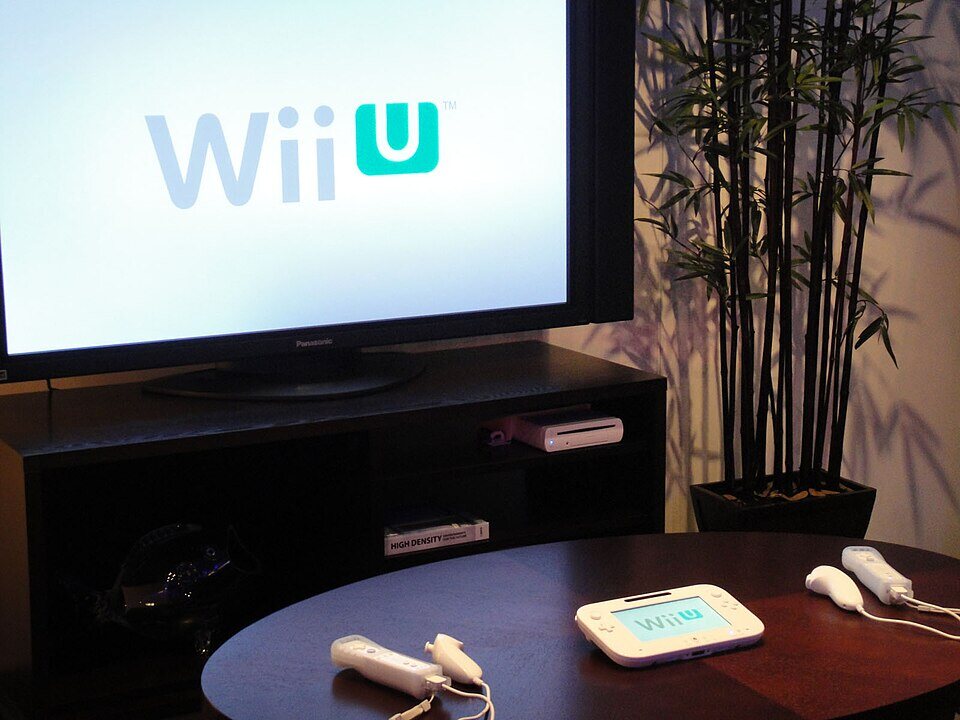
The site through time
Browse nintendo.com as it was, via the Internet Archive's Wayback Machine:
Ownership [edit]
Key figures [edit]
| Metric | Value | As of | Confidence |
|---|---|---|---|
| Downloads ▲ | 13.6 million | 31 January 2017 | Confirmed Lifetime hardware sales reported by Nintendo |
Confirmed official figures · Reported media, cites a source · Estimated analyst or our estimate
Why it shut down [edit]
Official line: Production ended in January 2017 after 13.5 million units, against 101 million for the Wii before it. Online services for the Wii U and 3DS were switched off on 8 April 2024, ending online play for the console entirely.
Our analysis: Nobody understood what the Wii U was. The name suggested an accessory for the Wii, the marketing never explained the tablet controller, and third-party publishers left within a year. The hardware ideas were sound, which is why the Switch, built from them, sold ten times as many.
History [edit]
The console nobody could explain
The Wii U arrived on 18 November 2012 as the first console of its generation, ahead of the Xbox One and PlayStation 4. Its central idea was the GamePad, a controller with a touchscreen that could mirror the game, show a map or an inventory, or let someone keep playing when the television was needed for something else.
The problem started with the name. A large part of the audience understood "Wii U" as an add-on for the Wii they already owned rather than a new machine, and Nintendo's marketing never fixed that impression. Retail staff could not explain it either.
Third-party publishers gave it a year. Once the PlayStation 4 and Xbox One arrived with more power and a shared architecture, the Wii U was left with Nintendo's own games, which were good and too few.
Miiverse
The Wii U also carried Miiverse, an integrated social network where players left drawings and messages inside game communities, which has its own entry here. It is remembered far more warmly than the console that hosted it.
Two endings
Production ended in January 2017, weeks before the Switch launched. Final sales were 13.5 million, against 101 million for the Wii.
The second ending came on 8 April 2024, when Nintendo switched off online services for the Wii U and the 3DS. Online play, matchmaking and most online features stopped that day, seven years after the last console was built.
The ideas were fine. The Switch is a Wii U GamePad that also works away from the television, and it sold more than ten times as many.
Similar projects
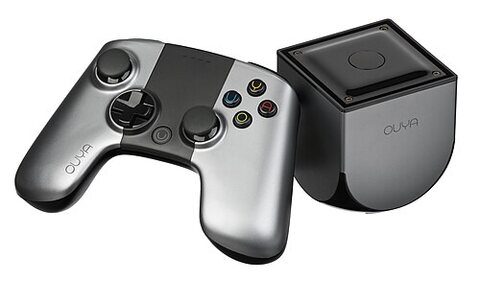 Ouya
The $99 console Kickstarter wanted to exist
2013–2019
Ouya
The $99 console Kickstarter wanted to exist
2013–2019
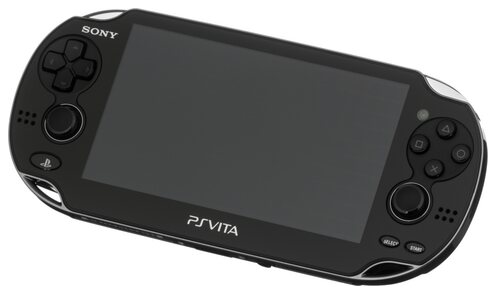 PlayStation Vita
The best handheld nobody supported
2011–2019
PlayStation Vita
The best handheld nobody supported
2011–2019
 Sega Dreamcast
The console that killed its own company
1998–2001
Sega Dreamcast
The console that killed its own company
1998–2001
 PlayStation Portable
Sony's first handheld, 80 million sold, the UMD disc, the PSP Go that nobody bought, and a store that closed twice
2004–2014
PlayStation Portable
Sony's first handheld, 80 million sold, the UMD disc, the PSP Go that nobody bought, and a store that closed twice
2004–2014
 Game Gear
Sega's colour handheld, better than the Game Boy on paper and out of batteries in three hours
1990–1997
Game Gear
Sega's colour handheld, better than the Game Boy on paper and out of batteries in three hours
1990–1997
 Sega CD
The CD-ROM drive that bolted onto the Genesis, full-motion video, Night Trap and 2.24 million sold
1991–1996
Sega CD
The CD-ROM drive that bolted onto the Genesis, full-motion video, Night Trap and 2.24 million sold
1991–1996
Sources [edit]
- Nintendo hardware and software sales units Nintendo 1 January 2024 [archived]
- Nintendo Wii U sales struggle BBC News 31 July 2013 [archived]
Last verified: 13 August 2026. Spotted an error? Suggest an edit (corrections with sources are reviewed and applied).