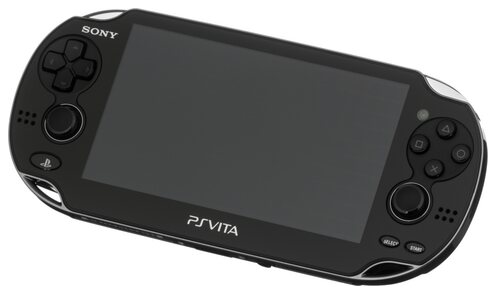
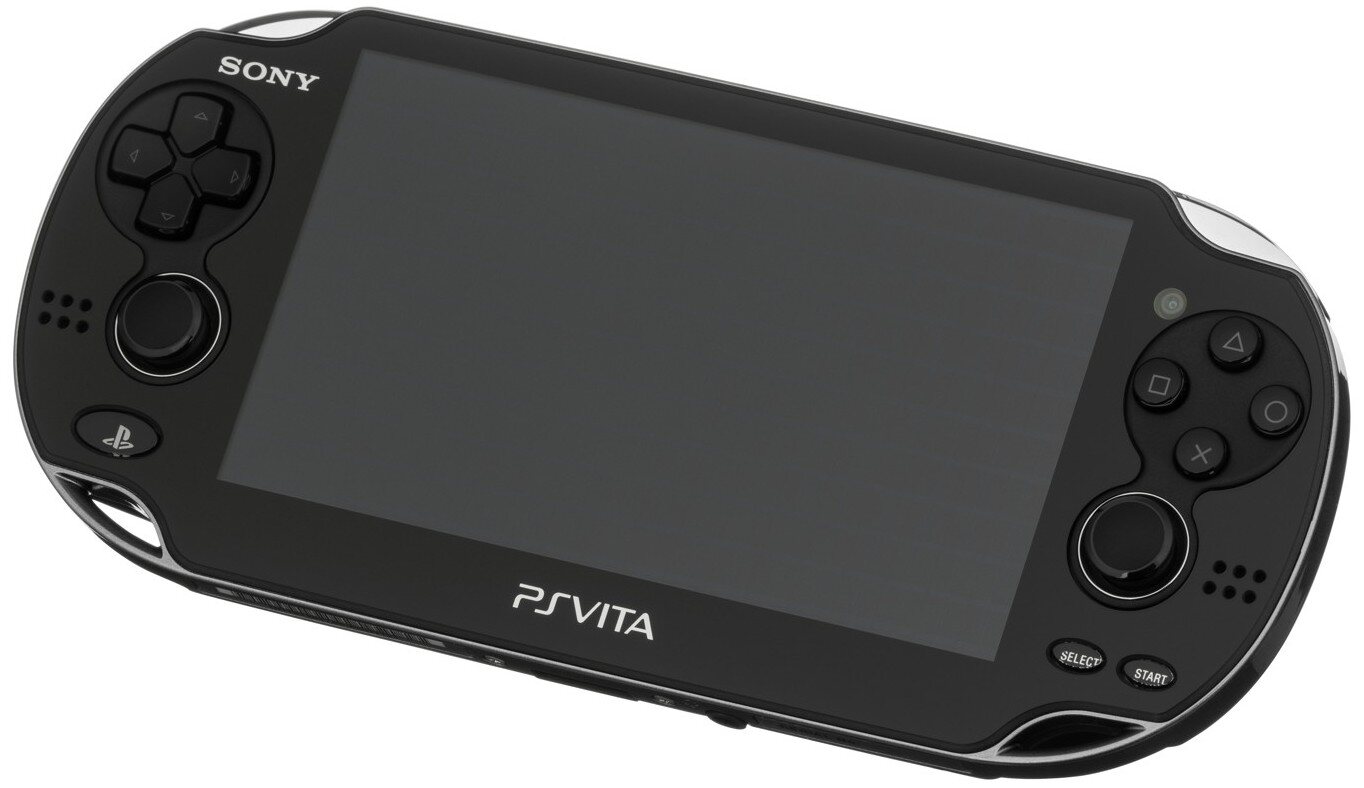
PlayStation Vita
The best handheld nobody supported
The PS Vita had an OLED screen, two real analogue sticks and a rear touchpad, and it was the most capable handheld anyone had built. It arrived in 2011, straight into the moment when smartphones swallowed casual gaming, and Sony quietly stopped making games for it long before it stopped making the hardware in 2019.
Timeline [edit]
- 2011
-
27 January 2011
Launch
Announced as the Next Generation Portable
Revealed by Sony before taking the Vita name.
-
17 December 2011
Launch
Released in Japan
International release follows on 22 February 2012.
- 2013
-
2013
Decline
First-party support thins out
Sony's own studios move to the PlayStation 4.
- 2015
-
29 October 2015
Decline
Sony concedes the handheld market changed
Executives say publicly that the category has moved to phones.
- 2019
-
1 March 2019
Shutdown
Production ends
Seven years after launch.
- 2021
-
2021
Decline
The storefront is closed to new purchases
After an announced full closure was partly reversed.
How it looked [edit]
The site through time
Browse playstation.com as it was, via the Internet Archive's Wayback Machine:
Ownership [edit]
Why it shut down [edit]
Official line: Sony ended production on 1 March 2019 after seven years. First-party support had effectively stopped years earlier, and the PlayStation Store for Vita was closed to new purchases in 2021.
Our analysis: The Vita was beaten by the phone in everyone's pocket, and then abandoned by its own maker. Sony stopped funding first-party games early, expensive proprietary memory cards deterred buyers, and once developers saw no support coming, the library thinned out.
History [edit]
Overbuilt and outmanoeuvred
Sony released the Vita in Japan on 17 December 2011 and internationally on 22 February 2012. The hardware was not in question: a five inch OLED screen, quad-core processor, two proper analogue sticks where the PSP had one nub, front and rear touch input, and a design people still admire.
What was in question was why you would buy it. The iPhone and Android had taken the casual handheld market that the Nintendo DS and PSP had grown, and had done it with games that cost a dollar or nothing. Against that, the Vita asked for a console price, plus proprietary memory cards that cost far more than ordinary ones and which every buyer needed.
Abandoned early
Sony's own studios moved on quickly. By 2015 executives were publicly describing the handheld market as having changed permanently, and first-party output had all but stopped. Shahid Ahmad, who ran the Vita's third-party relationships, later described a machine kept alive largely by independent developers.
That is what the Vita became: the best portable device for Japanese role-playing games, visual novels and indie ports, sustained by a devoted minority long after its manufacturer had stopped pretending.
Ended twice
Production stopped on 1 March 2019, seven years in. In 2021 Sony announced it would close the Vita storefront entirely, reversed the decision after an outcry, then closed it to new purchases anyway in a narrower form.
The Vita is remembered fondly and specifically: not as a failure of engineering, but as a case of a company building something good and then declining to support it.
Similar projects
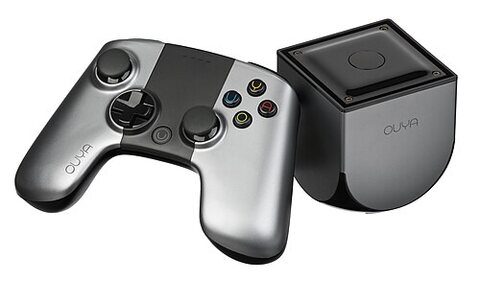 Ouya
The $99 console Kickstarter wanted to exist
2013–2019
Ouya
The $99 console Kickstarter wanted to exist
2013–2019
 Sega Dreamcast
The console that killed its own company
1998–2001
Sega Dreamcast
The console that killed its own company
1998–2001
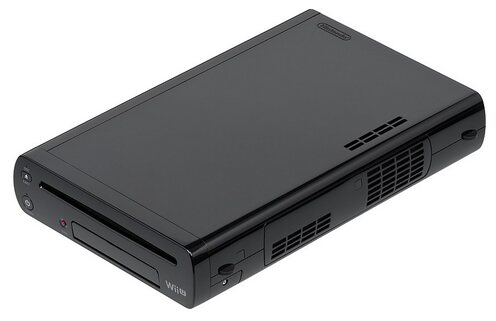 Wii U
13.5 million sold, and the ideas all survived it
2012–2024
Wii U
13.5 million sold, and the ideas all survived it
2012–2024
 PlayStation Portable
Sony's first handheld, 80 million sold, the UMD disc, the PSP Go that nobody bought, and a store that closed twice
2004–2014
PlayStation Portable
Sony's first handheld, 80 million sold, the UMD disc, the PSP Go that nobody bought, and a store that closed twice
2004–2014
 Game Gear
Sega's colour handheld, better than the Game Boy on paper and out of batteries in three hours
1990–1997
Game Gear
Sega's colour handheld, better than the Game Boy on paper and out of batteries in three hours
1990–1997
 Sega CD
The CD-ROM drive that bolted onto the Genesis, full-motion video, Night Trap and 2.24 million sold
1991–1996
Sega CD
The CD-ROM drive that bolted onto the Genesis, full-motion video, Night Trap and 2.24 million sold
1991–1996
Sources [edit]
- PlayStation 2 manufacture ends after 12 years The Guardian 4 January 2013 [archived]
- How the Vita changed Sony Polygon 29 October 2015 [archived]
- PlayStation Vita Production Has Officially Ended in Japan PlayStation LifeStyle 1 March 2019
Last verified: 13 August 2026. Spotted an error? Suggest an edit (corrections with sources are reviewed and applied).