Firefox OS
The web as an operating system, aimed at $25 phones
Firefox OS was Mozilla's smartphone operating system in which every app was a web app, built to bring the next billion people online on very cheap hardware. Launched commercially in 2013 with carriers across Latin America and Europe, it reached nearly 30 countries and never found a market Android could not undercut. Mozilla stopped smartphone work in 2015 and killed the platform in 2016. Its fork, KaiOS, lives on.
Timeline [edit]
- 2011
-
July 2011
Launch
Boot to Gecko begins
A phone OS where everything is a web app.
- 2013
-
24 February 2013
Feature
Eighteen carriers sign on
The commercial launch is announced at Mobile World Congress.
-
2 July 2013
Launch
The ZTE Open goes on sale
69 euros, through Telefonica in Spain.
- 2014
-
16 December 2014
Peak
Nearly 30 countries
A $25 reference phone targets India.
- 2015
-
8 December 2015
Shutdown announced
Mozilla stops making phones
Announced at the Mozlando developer event.
- 2016
-
September 2016
Shutdown
All work ends
The Boot to Gecko code is removed from Mozilla's tree.
- 2017
-
2017
Revival
KaiOS ships the idea anyway
A fork of the code powers the JioPhone and millions of cheap feature phones.
How it looked [edit]
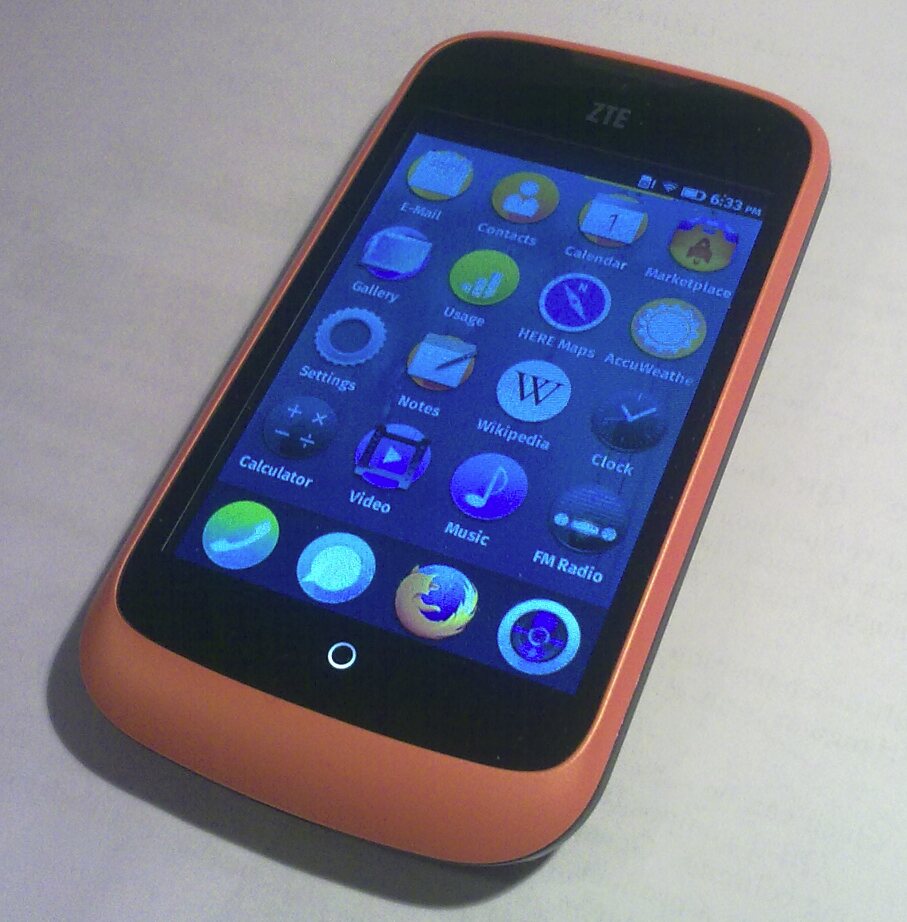
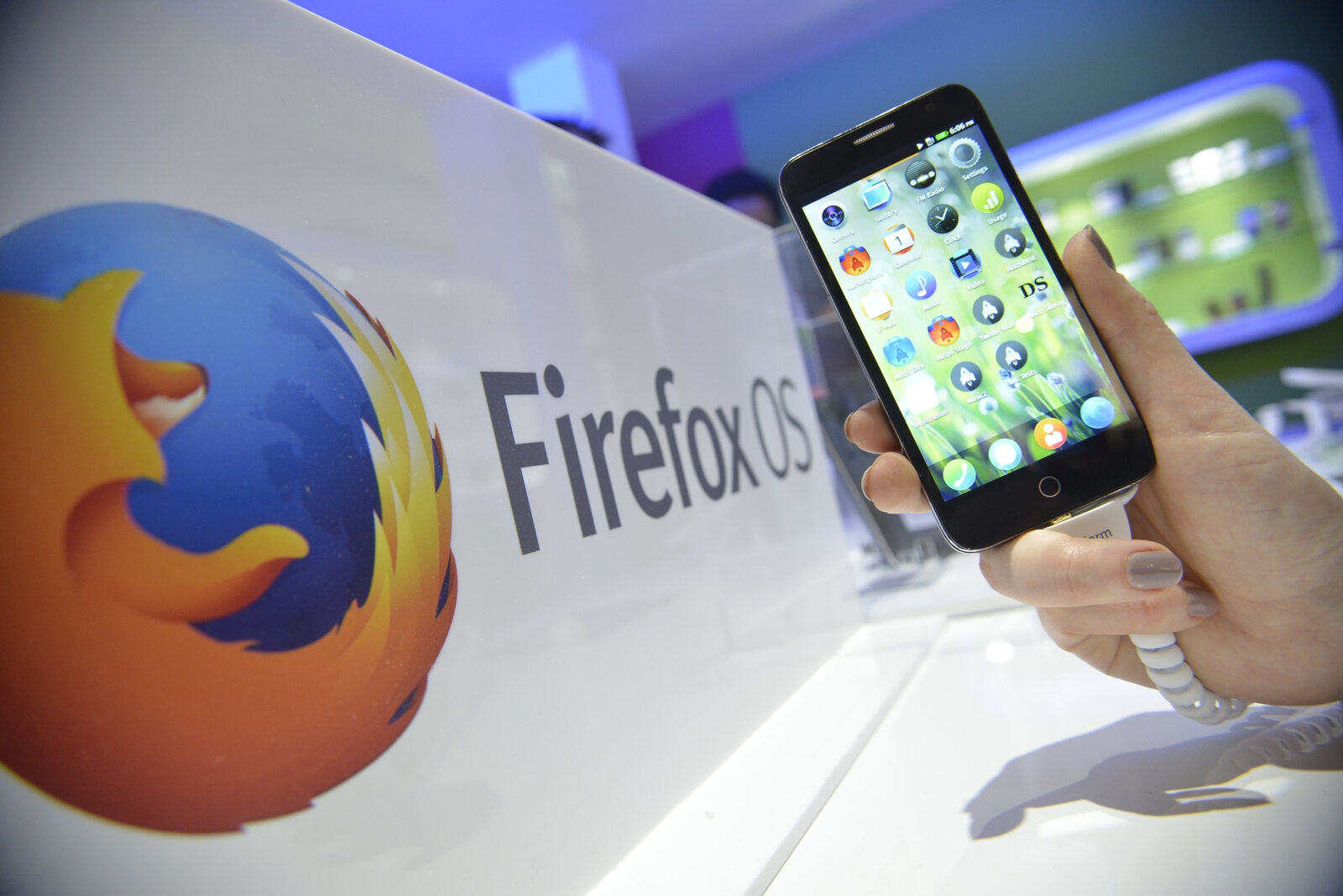
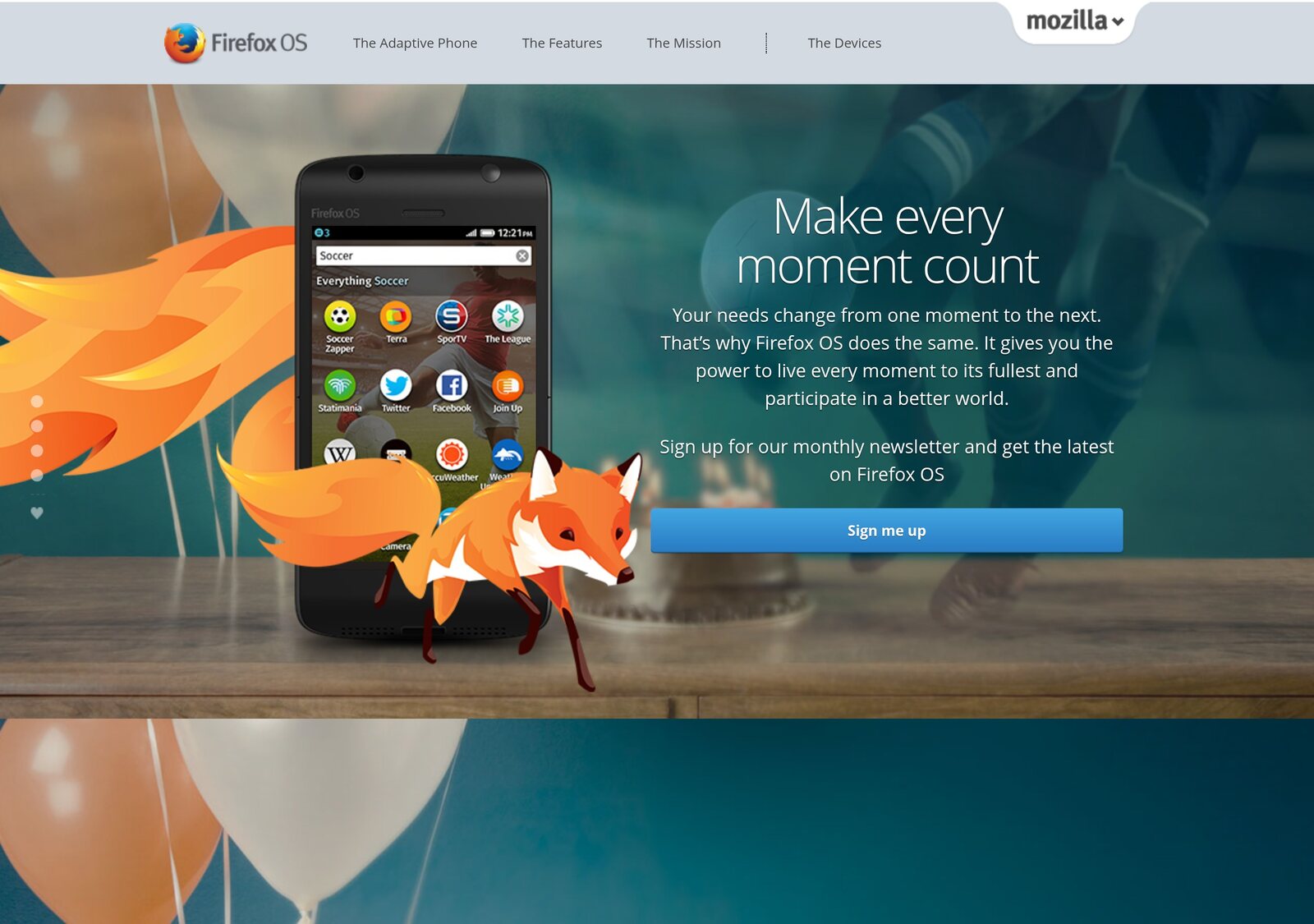
The site through time
Browse mozilla.org as it was, via the Internet Archive's Wayback Machine:
Ownership [edit]
Why it shut down [edit]
Official line: Mozilla announced at its December 2015 developer event that it would stop building and selling Firefox OS smartphones, saying it could not offer the best user experience through carrier channels. Smartphone development ended with version 2.6 in 2016, and in September 2016 Mozilla stopped all work on the platform and removed the code from its main tree.
Our analysis: Firefox OS bet that the low end of the market wanted a lighter, web-based system on very cheap hardware. Android answered by simply getting cheaper itself, and a $35 Android phone that ran WhatsApp properly beat a $25 Firefox OS phone that ran a web version badly. The idea was not wrong, which is why its fork still ships on millions of feature phones.
History [edit]
Boot to Gecko
The project began in 2011 under the name Boot to Gecko: a phone where the entire interface, and every app, is HTML, CSS and JavaScript running on the Firefox rendering engine over a thin Linux kernel. No app store lock-in, no native SDK, just the web. For Mozilla, a nonprofit whose browser was losing relevance on phones, it was both a product and a statement about how mobile computing ought to work.
The commercial pitch was announced at Mobile World Congress in February 2013 with an unusual roster of allies: eighteen carriers, and manufacturers including ZTE, Alcatel, LG and Huawei. The target was not the iPhone owner but the two billion people for whom a $600 phone was fantasy. The first device, the ZTE Open, went on sale in Spain on 2 July 2013 through Telefonica for 69 euros, and rollouts followed across Latin America and eastern Europe, reaching nearly 30 countries by the end of 2014, with a $25 reference phone shown for India.
Undercut from above
The problem arrived from the direction Mozilla least wanted: Android got cheap. By 2014 an entry Android phone cost little more than a Firefox OS one and ran the real versions of the apps people actually wanted, WhatsApp above all. Web apps on weak hardware felt slower, not lighter. Carriers lost interest, and sales, which Mozilla never liked to quote, stayed marginal.
On 8 December 2015, at the Mozlando developer event, Mozilla announced it would stop developing and selling Firefox OS smartphones. A pivot to "connected devices" produced little, smartphone code ended with version 2.6, and in September 2016 the company stopped all Boot to Gecko work and deleted the platform from its source tree.
The fork that made it
The strangest part of the story is that the idea then succeeded under another name. KaiOS, built from the Firefox OS code, became the operating system of the JioPhone in India and other sub-$30 feature phones, shipping on tens of millions of devices, exactly the users and price point Mozilla had aimed for. The web-app phone found its market; it just took a fork, a different company and a keypad to get there.
Similar projects
 BlackBerry OS
The keyboard that ran the world
1999–2022
BlackBerry OS
The keyboard that ran the world
1999–2022
 Windows Phone
The tiles nobody wrote apps for
2010–2019
Windows Phone
The tiles nobody wrote apps for
2010–2019
 Windows RT
Windows for ARM tablets that could not run Windows programs
2012–2023
Windows RT
Windows for ARM tablets that could not run Windows programs
2012–2023
 Symbian
Ran most of the world's smartphones, then burned with the platform
1998–2014
Symbian
Ran most of the world's smartphones, then burned with the platform
1998–2014
 Windows Mobile
A tiny Windows with a Start button, reset to zero by its own maker
2000–2012
Windows Mobile
A tiny Windows with a Start button, reset to zero by its own maker
2000–2012
 Palm OS
The organiser in your pocket that taught phones to be computers
1996–2009
Palm OS
The organiser in your pocket that taught phones to be computers
1996–2009
Sources [edit]
- Firefox OS expands its global reach Mozilla 24 February 2013 [archived]
- Firefox OS expands to nearly 30 countries Mozilla 16 December 2014 [archived]
- Mozilla will stop developing and selling Firefox OS smartphones TechCrunch 8 December 2015 [archived]
Last verified: 14 August 2026. Spotted an error? Suggest an edit (corrections with sources are reviewed and applied).