
Windows Mobile
A tiny Windows with a Start button, reset to zero by its own maker
Windows Mobile was Microsoft's phone operating system from 2000 to 2010: a pocket Windows with a Start menu, a stylus, and Office in your pocket, running on hundreds of devices mostly built by HTC. The iPhone made it obsolete in a single afternoon in 2007. Microsoft replaced it with the incompatible Windows Phone 7 in 2010 and shut its app store in May 2012.
Timeline [edit]
- 2000
-
19 April 2000
Launch
Pocket PC 2000 ships
Windows, a Start menu and a stylus on a PDA.
- 2003
-
23 June 2003
Rebrand
Renamed Windows Mobile
Phones formally join the Windows brand family.
- 2007
-
29 June 2007
Decline
The iPhone arrives
The stylus-era interface becomes a museum piece overnight.
- 2009
-
6 October 2009
Version
Windows Mobile 6.5
Bigger buttons on the old bones, released while its replacement is already being built.
- 2010
-
15 February 2010
Shutdown announced
Windows Phone 7 is unveiled
A clean break. Nothing written for Windows Mobile will run on it.
- 2012
-
22 May 2012
Shutdown
The Marketplace closes
The app store shuts and the platform's wind-down is complete.
How it looked [edit]

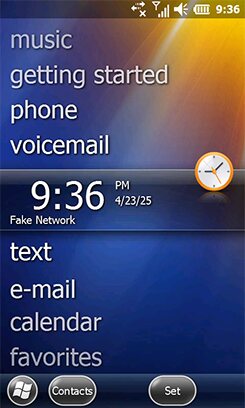
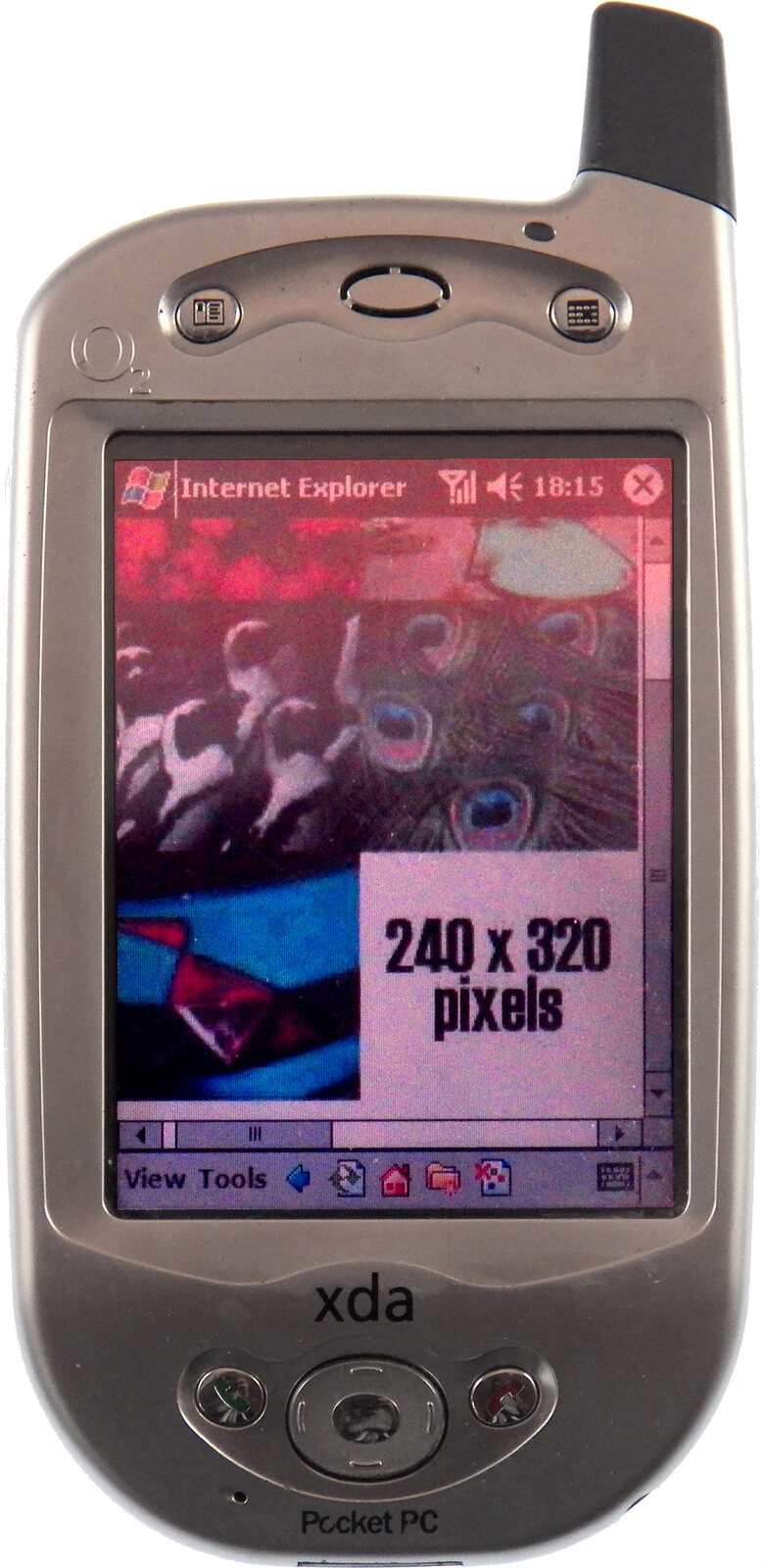
The site through time
Read the old front page here, in one piece, from our own capture: microsoft.com, 15 June 2006 →
Browse microsoft.com as it was, via the Internet Archive's Wayback Machine:
Ownership [edit]
Why it shut down [edit]
Official line: Microsoft unveiled Windows Phone 7 on 15 February 2010 as a clean break: nothing written for Windows Mobile would run on it. The old platform was wound down, and its Marketplace app store was switched off on 22 May 2012.
Our analysis: Windows Mobile put a desktop metaphor, Start menu and all, on phones a decade before phones were ready to be computers, and it worked well enough to lead the pre-iPhone smartphone market alongside BlackBerry and Symbian. After 2007 it aged overnight. Microsoft judged the code and the stylus-driven interface unsalvageable and started over, which killed the old platform and, arriving three years late, doomed the new one too.
History [edit]
Windows in your pocket, literally
Pocket PC 2000, released on 19 April 2000, was exactly what the name promised: Windows shrunk onto a PDA, with a Start menu, pocket versions of Word and Excel, and a stylus, because the interface was made of desktop-sized targets. Microsoft renamed the platform Windows Mobile on 23 June 2003, formally folding phones into the Windows brand family.
Its argument was familiar from the desktop: one operating system, many manufacturers, and your office everywhere. It licensed to anyone, and mostly that meant HTC, the Taiwanese firm that at one point built around 80 percent of all Windows Mobile phones, many of them rebadged by carriers under their own names. For IT departments it was the sensible choice: Exchange email, corporate policy, familiar management. By the mid-2000s Windows Mobile sat with BlackBerry and Symbian at the top of the smartphone market, such as it then was.
Obsolete in an afternoon
The iPhone's June 2007 debut did not compete with Windows Mobile so much as make it look like a different, older category of thing. Windows Mobile 6.5 in October 2009 put bigger buttons over the same stylus-era interface, and even Microsoft's own executives barely defended it. The market share numbers fell through 2008 and 2009 while Microsoft, having seen the same iPhone as everyone else, worked on something that shared no code with the past.
The reset
That something was unveiled on 15 February 2010 as Windows Phone 7: new interface, new developer model, and no compatibility whatsoever. Every Windows Mobile application, and every developer relationship built over a decade, was written off in one keynote. The old platform got a quiet wind-down; its Marketplace, opened only in 2009, stopped taking new submissions in 2011 and was switched off on 22 May 2012.
The reset produced a genuinely original design and arrived three years too late to matter. Windows Phone never escaped single-digit market share and has its own entry here. Windows Mobile's real legacy is the counterexample it provides: it proved a licensed, manufacturer-neutral phone OS could work, which is the model Android executed, against it and everyone else, a decade later.
Similar projects
 BlackBerry OS
The keyboard that ran the world
1999–2022
BlackBerry OS
The keyboard that ran the world
1999–2022
 Windows Phone
The tiles nobody wrote apps for
2010–2019
Windows Phone
The tiles nobody wrote apps for
2010–2019
 Windows RT
Windows for ARM tablets that could not run Windows programs
2012–2023
Windows RT
Windows for ARM tablets that could not run Windows programs
2012–2023
 Symbian
Ran most of the world's smartphones, then burned with the platform
1998–2014
Symbian
Ran most of the world's smartphones, then burned with the platform
1998–2014
 Palm OS
The organiser in your pocket that taught phones to be computers
1996–2009
Palm OS
The organiser in your pocket that taught phones to be computers
1996–2009
 BlackBerry 10
The reboot that arrived in 2013 and was switched off in 2022
2013–2022
BlackBerry 10
The reboot that arrived in 2013 and was switched off in 2022
2013–2022
Sources [edit]
- Microsoft announces Windows Mobile Microsoft 23 June 2003 [archived]
- Windows Phone 7 Series is official Engadget 15 February 2010 [archived]
- Microsoft: HTC has made 80% of all Windows Mobile phones AppleInsider 19 February 2009 [archived]
Last verified: 14 August 2026. Spotted an error? Suggest an edit (corrections with sources are reviewed and applied).